THE ADVENTURE COLLECTIVE® · Independent discovery and booking for outdoor travel

Stage 1 of the Pekoe Trail runs from Hanthana to Galaha, a four‑hour moderate trek across tea slopes, small forests, and village lanes. Expect sweeping highland views, working tea estates, and chances to see endemic wildlife with a local guide.
Stage 1 of the Pekoe Trail runs from Hanthana to Galaha, a four‑hour moderate trek across tea slopes, small forests, and village lanes. Expect sweeping highland views, working tea estates, and chances to see endemic wildlife with a local guide.
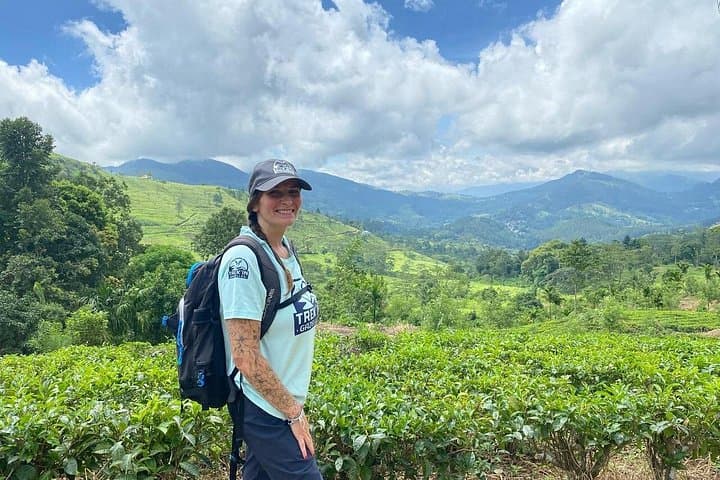
You begin on a narrow ridge where the wind pushes across tea bushes like an impatient hand, the first slopes of the central highlands peeling open toward distant peaks.
Verified experiences and guided adventures in the surrounding area.
Operated by Adventure Wild Tour · Kandy, Central Province
You begin on a narrow ridge where the wind pushes across tea bushes like an impatient hand, the first slopes of the central highlands peeling open toward distant peaks.
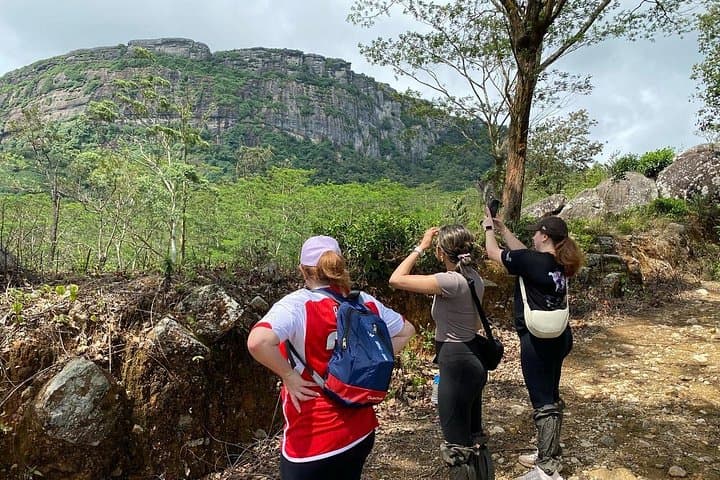
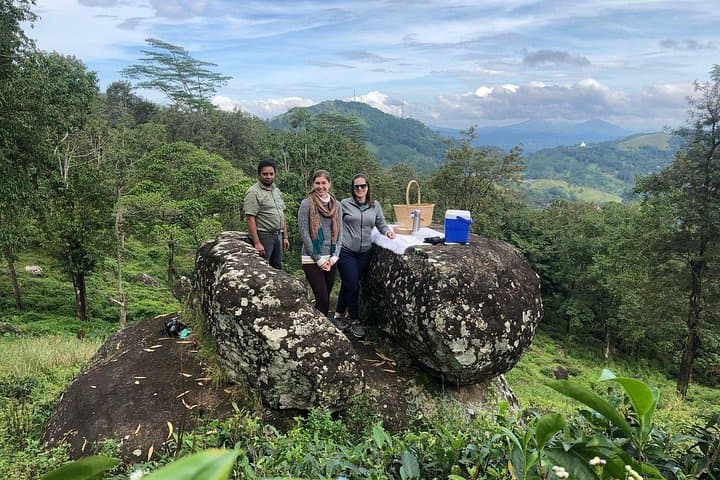
The Pekoe Trail Stage 1 leads from Hanthana’s forest edge through planted terraces and pocket forests, dropping into village clearings and finally into Galaha. The landscape reads like a working map: stone walls, streams that dare you to cross on slippery roots, and tea fields laid out in tidy waves.
This walk threads colonial-era tea estate history with older Kandyan cultural patterns — terraces established in the 19th century still shape land use, while small villages maintain household tea processing and local markets. Geologically the route crosses weathered highland soils and ancient metamorphic bedrock; expect red-brown earth and narrow gullies carved by seasonal rains.
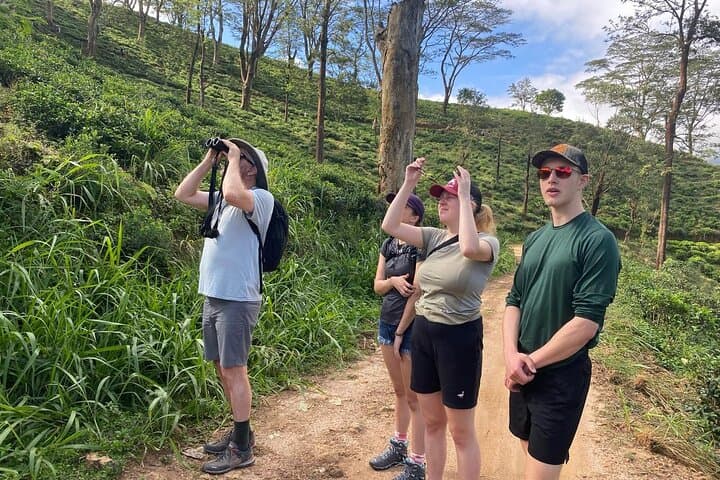
Along the way, watch for endemic birds and the occasional purple-faced langur moving through trees; guides point out clues of wildlife and explain tea cultivation techniques.
Practical guidance: the route is moderate — roughly 10–12 km depending on exact path and about 300–500m cumulative elevation change; allow four hours with stops. Trails range from packed dirt to stepped estate paths and occasional muddy sections after rain. Wear grippy shoes, bring 2L of water, and pack a lightweight rain shell even if the day starts clear. Start early for cooler temperatures, softer light, and quieter wildlife.
Respect private estate tracks, follow your guide, and carry out waste — the trail survives when walkers tread lightly.
moderate.
4 hours.
Good for anyone with regular walking fitness; able to handle sustained uphill and uneven terrain for several hours.
This product is guided; many estate tracks cross private property so a local guide is recommended and often required.
The listed tour is about 4 hours and rated moderate — expect uneven terrain and 300–500m of cumulative climbs/descents depending on the exact route.
Facilities are limited; carry your own water and use village or estate facilities when available — plan to pack out toilet paper and waste if needed.
Families can join if members are used to multi-hour walks; older walkers should consider mobility and cardiovascular fitness and discuss with the operator if unsure.
The central highlands were reshaped during British colonial plantation expansion in the 1800s; many trails follow old estate service routes tied to tea production and local village access.
The area balances working tea landscapes with remnant forest patches; staying on trails, avoiding litter, and supporting local guides helps reduce impacts and sustain habitat connectivity.
Adventure Wild Tour operates guided outdoor trips and adventures with an emphasis on safety, stewardship, and memorable experiences.
You begin on a narrow ridge where the wind pushes across tea bushes like an impatient hand, the first slopes of the central highlands peeling open toward distant peaks.
You begin on a narrow ridge where the wind pushes across tea bushes like an impatient hand, the first slopes of the central highlands peeling open toward distant peaks.
The Pekoe Trail Stage 1 leads from Hanthana’s forest edge through planted terraces and pocket forests, dropping into village clearings and finally into Galaha. The landscape reads like a working map: stone walls, streams that dare you to cross on slippery roots, and tea fields laid out in tidy waves.
This walk threads colonial-era tea estate history with older Kandyan cultural patterns — terraces established in the 19th century still shape land use, while small villages maintain household tea processing and local markets. Geologically the route crosses weathered highland soils and ancient metamorphic bedrock; expect red-brown earth and narrow gullies carved by seasonal rains.
Along the way, watch for endemic birds and the occasional purple-faced langur moving through trees; guides point out clues of wildlife and explain tea cultivation techniques.
Practical guidance: the route is moderate — roughly 10–12 km depending on exact path and about 300–500m cumulative elevation change; allow four hours with stops. Trails range from packed dirt to stepped estate paths and occasional muddy sections after rain. Wear grippy shoes, bring 2L of water, and pack a lightweight rain shell even if the day starts clear. Start early for cooler temperatures, softer light, and quieter wildlife.
Respect private estate tracks, follow your guide, and carry out waste — the trail survives when walkers tread lightly.