THE ADVENTURE COLLECTIVE® · Independent discovery and booking for outdoor travel

Climb a short coastal trail to Pedra do Telégrafo for one of Rio’s most Instagrammed vantage points, then cool off at Grumari beach. This accessible hike pairs forest singletrack, a short scramble and sweeping ocean views with minimal effort.
Climb a short coastal trail to Pedra do Telégrafo for one of Rio’s most Instagrammed vantage points, then cool off at Grumari beach. This accessible hike pairs forest singletrack, a short scramble and sweeping ocean views with minimal effort.
You crest a low ridge and the Atlantic unfurls: a narrow spit of sand, the blue-green swell of the ocean, and a slab of rock that seems to hang above the sea. At Pedra do Telégrafo, the view dares you to step for a photo that plays with perspective — a moment that feels equal parts thrill and geography.
Verified experiences and guided adventures in the surrounding area.
Operated by RioXtreme · Barra de Guaratiba, Rio de Janeiro
You crest a low ridge and the Atlantic unfurls: a narrow spit of sand, the blue-green swell of the ocean, and a slab of rock that seems to hang above the sea. At Pedra do Telégrafo, the view dares you to step for a photo that plays with perspective — a moment that feels equal parts thrill and geography.
The trail sits inside a large state park that protects remnants of the Atlantic Forest and the Marambaia estuary. Geologically the area is coastal bedrock and ancient sandstones carved by wind and surf; culturally the beaches of Grumari and Prainha have long been weekend refuges for Cariocas, while the surrounding villages reflect a fishing and rural past. The hike itself is short but varied: roughly 3.6–6 km round trip depending on routing, about 300 m of elevation gain and 1–2 hours of walking at a steady pace.
Expect shaded singletrack through humid forest, occasional rock slabs, and a final scramble to reach the viewing ledge. Guides often time departures at dawn to avoid crowds and strong midday sun, and many itineraries combine the summit with a swim at Grumari on the return.
Practical notes: wear grippy shoes for wet rock, bring 1–2 liters of water, reef-safe sunscreen and mosquito repellent. Leave no trace — the Atlantic Forest here is fragile. If you want the classic optical-illusion photo, take care near edges; the rock can be crowded, so patience and timing matter. The hike is an efficient, scenic option for travelers based in Rio seeking coastal views without a long trek.
moderate.
6 hours (tour, including transport).
Moderate fitness: comfortable on uneven trail, able to handle short, exposed scrambles and a 300 m ascent.
The round-trip trail ranges about 3.6–6 km with roughly 300 m of ascent; plan on 1–2 hours of hiking and consider the overall tour time of ~6 hours including transport.
Yes, but the ledge is exposed and crowded—guides manage turns for safety; if you’re uncomfortable with heights, enjoy the view from a safer distance.
Most tours stop at Grumari for a swim and relaxation after the hike; bring swimwear, towel and cash for small purchases.
Tours commonly provide early pick-up from the South Zone or Barra da Tijuca; independent travel is possible by car but allow about an hour from Zona Sul depending on traffic.
The area forms part of the Atlantic Forest and coastal landforms used historically by small fishing communities; the state park protects both ecological and cultural landscapes.
This is Atlantic Forest habitat—stick to trails, pack out all trash and use reef-safe products to reduce impact on coastal waters.
RioXtreme operates guided outdoor trips and adventures with an emphasis on safety, stewardship, and memorable experiences.
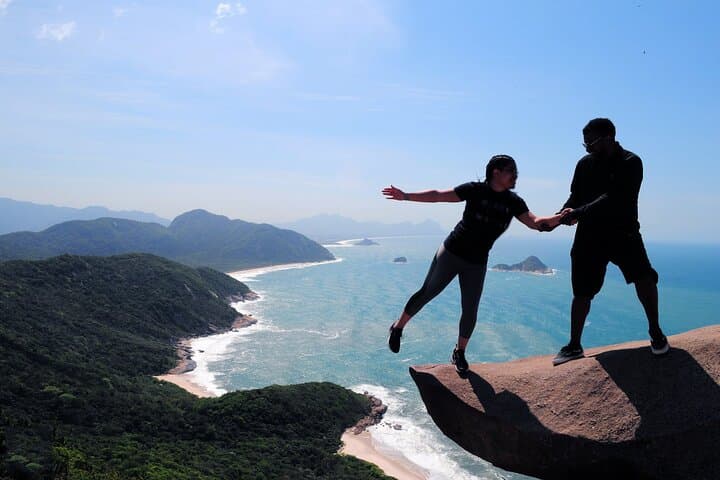
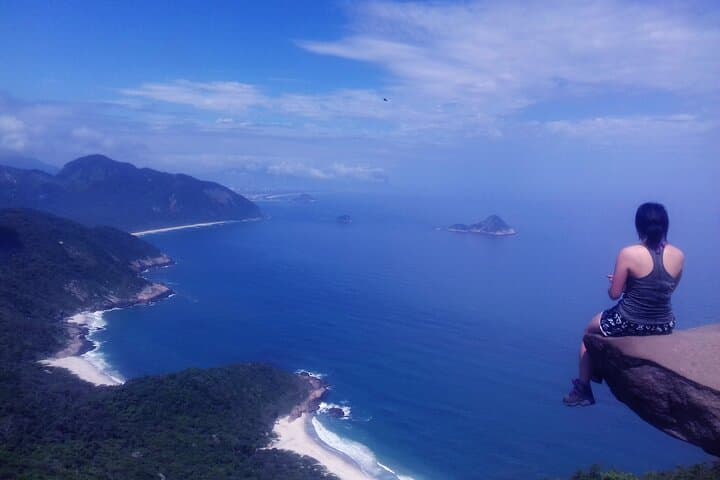
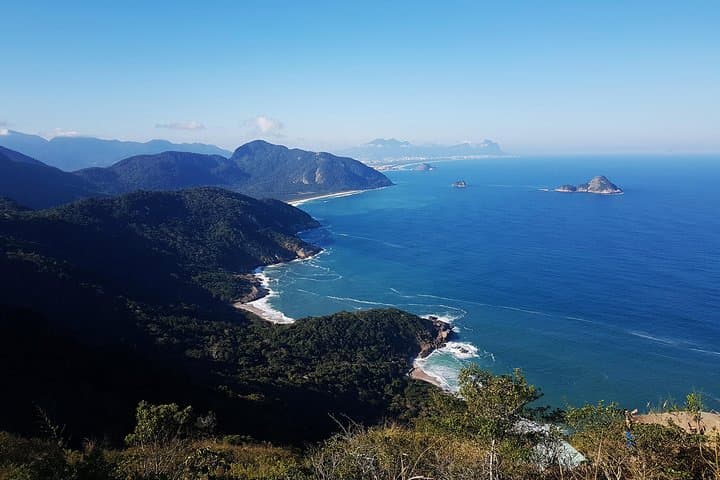
You crest a low ridge and the Atlantic unfurls: a narrow spit of sand, the blue-green swell of the ocean, and a slab of rock that seems to hang above the sea. At Pedra do Telégrafo, the view dares you to step for a photo that plays with perspective — a moment that feels equal parts thrill and geography.
You crest a low ridge and the Atlantic unfurls: a narrow spit of sand, the blue-green swell of the ocean, and a slab of rock that seems to hang above the sea. At Pedra do Telégrafo, the view dares you to step for a photo that plays with perspective — a moment that feels equal parts thrill and geography.
The trail sits inside a large state park that protects remnants of the Atlantic Forest and the Marambaia estuary. Geologically the area is coastal bedrock and ancient sandstones carved by wind and surf; culturally the beaches of Grumari and Prainha have long been weekend refuges for Cariocas, while the surrounding villages reflect a fishing and rural past. The hike itself is short but varied: roughly 3.6–6 km round trip depending on routing, about 300 m of elevation gain and 1–2 hours of walking at a steady pace.
Expect shaded singletrack through humid forest, occasional rock slabs, and a final scramble to reach the viewing ledge. Guides often time departures at dawn to avoid crowds and strong midday sun, and many itineraries combine the summit with a swim at Grumari on the return.
Practical notes: wear grippy shoes for wet rock, bring 1–2 liters of water, reef-safe sunscreen and mosquito repellent. Leave no trace — the Atlantic Forest here is fragile. If you want the classic optical-illusion photo, take care near edges; the rock can be crowded, so patience and timing matter. The hike is an efficient, scenic option for travelers based in Rio seeking coastal views without a long trek.