THE ADVENTURE COLLECTIVE® · Independent discovery and booking for outdoor travel

Spend a day hiking to Pedra do Telegrafo for panoramic city-and-sea photos, then unwind at Prainha and other west-zone beaches. This private 7-hour trip blends a short forest ascent with coastal stops and local food options.
Spend a day hiking to Pedra do Telegrafo for panoramic city-and-sea photos, then unwind at Prainha and other west-zone beaches. This private 7-hour trip blends a short forest ascent with coastal stops and local food options.
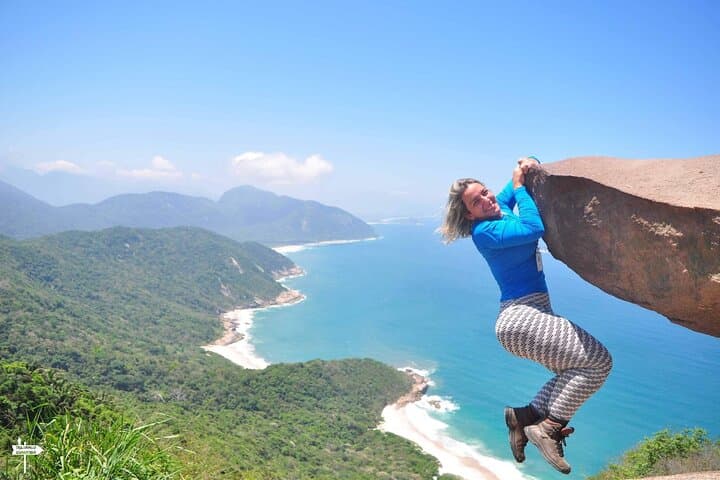
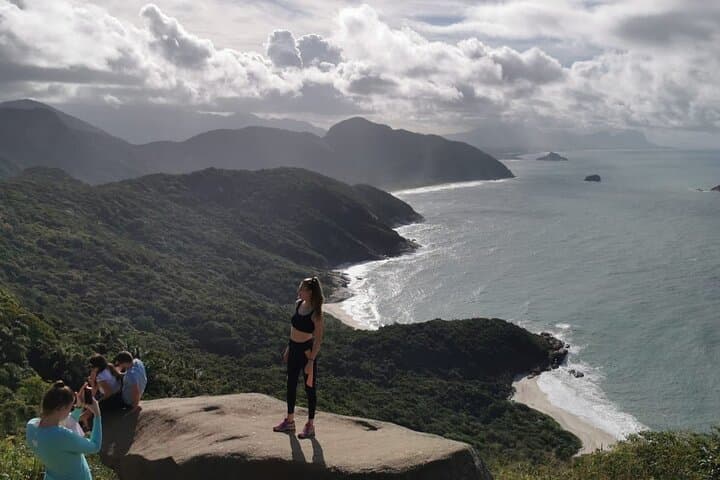
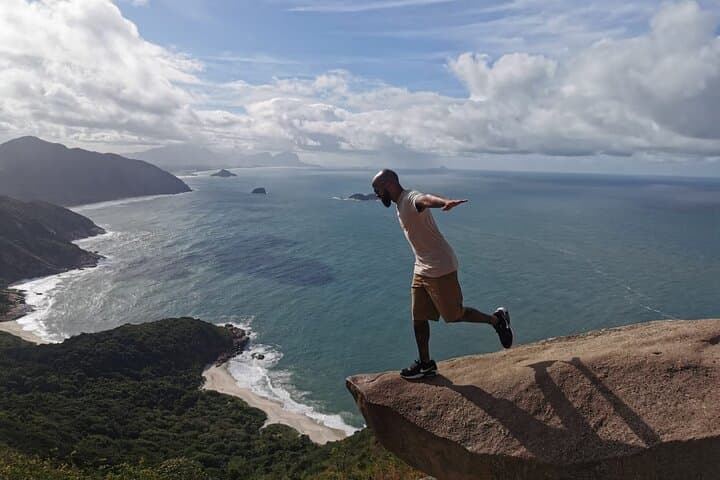
A cool wind cuts across the ridge as the minivan eases into the parking turn for Pedra do Telegrafo. Hikers step out into a humid Atlantic Forest, boots sinking into a narrow trail that climbs for roughly 45 minutes toward a broad granite slab. At the top, the famous rock juts forward and the city unfurls westward — low coastal neighborhoods, forested hills and the ocean beyond — a classic Rio vantage that dares you to frame the perfect photo.
Verified experiences and guided adventures in the surrounding area.
Operated by JPL Transportes e Turismo EIRELI · Rio de Janeiro, Rio de Janeiro
A cool wind cuts across the ridge as the minivan eases into the parking turn for Pedra do Telegrafo. Hikers step out into a humid Atlantic Forest, boots sinking into a narrow trail that climbs for roughly 45 minutes toward a broad granite slab. At the top, the famous rock juts forward and the city unfurls westward — low coastal neighborhoods, forested hills and the ocean beyond — a classic Rio vantage that dares you to frame the perfect photo.
The outcrop is volcanic-born granite scoured by ancient weathering; the trail passes through secondary Atlantic Forest where remnant flora hints at the long human and natural history of Rio’s west zone. Nearby beaches like Prainha and Grumari are protected surf coves, historically quieter than Copacabana and once accessed mostly by locals and fishermen. Lunch options on the return range from beach bars with grilled fish and caipirinhas to more upscale restaurants closer to the city.
Practically: expect a 7-hour private excursion with door-to-door transport, a bilingual guide and short beach stops for swimming. The hike is a steady, non-technical climb—sturdy shoes and insect repellent are musts. Photographers should allow time for perspective shots on the rock; the perceived drop is an optical trick but always respect the guide’s safety instructions.
Timing matters: mornings bring cooler air and softer light; afternoons are better for beach swimming. Bring water, a towel, and a light layer for breezy moments on the summit.
moderate.
6–7 hours.
Moderate fitness; comfortable with a continuous 45-minute uphill walk and several short walks on sandy beaches
The walk from the parking area to the summit takes about 40–50 minutes on a steady, non-technical trail.
The optical illusion makes it look exposed, but the rock is safe when you follow the guide’s positioning and instructions.
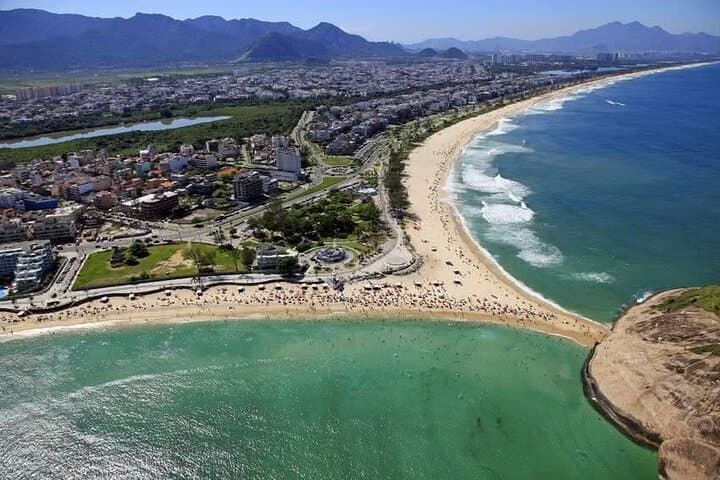
Typical stops include Prainha and options like Grumari, Recreio and Barra; the driver will adapt stops to conditions and preferences.
Lunch is not included; guides can recommend and stop at a range of restaurants from casual beach kiosks to sit-down spots.
The west-zone coastal strip evolved from fishing outposts to protected surf pockets; many beaches retain a local surfing culture distinct from Rio’s urban shores.
Prainha and nearby coves are treated as conservation or protected surf areas — stick to marked paths, avoid single-use plastics and follow local signage to reduce erosion and disturbance.
JPL Transportes e Turismo EIRELI operates guided outdoor trips and adventures with an emphasis on safety, stewardship, and memorable experiences.
A cool wind cuts across the ridge as the minivan eases into the parking turn for Pedra do Telegrafo. Hikers step out into a humid Atlantic Forest, boots sinking into a narrow trail that climbs for roughly 45 minutes toward a broad granite slab. At the top, the famous rock juts forward and the city unfurls westward — low coastal neighborhoods, forested hills and the ocean beyond — a classic Rio vantage that dares you to frame the perfect photo.
A cool wind cuts across the ridge as the minivan eases into the parking turn for Pedra do Telegrafo. Hikers step out into a humid Atlantic Forest, boots sinking into a narrow trail that climbs for roughly 45 minutes toward a broad granite slab. At the top, the famous rock juts forward and the city unfurls westward — low coastal neighborhoods, forested hills and the ocean beyond — a classic Rio vantage that dares you to frame the perfect photo.
The outcrop is volcanic-born granite scoured by ancient weathering; the trail passes through secondary Atlantic Forest where remnant flora hints at the long human and natural history of Rio’s west zone. Nearby beaches like Prainha and Grumari are protected surf coves, historically quieter than Copacabana and once accessed mostly by locals and fishermen. Lunch options on the return range from beach bars with grilled fish and caipirinhas to more upscale restaurants closer to the city.
Practically: expect a 7-hour private excursion with door-to-door transport, a bilingual guide and short beach stops for swimming. The hike is a steady, non-technical climb—sturdy shoes and insect repellent are musts. Photographers should allow time for perspective shots on the rock; the perceived drop is an optical trick but always respect the guide’s safety instructions.
Timing matters: mornings bring cooler air and softer light; afternoons are better for beach swimming. Bring water, a towel, and a light layer for breezy moments on the summit.