THE ADVENTURE COLLECTIVE® · Independent discovery and booking for outdoor travel

Climb a short, gritty trail to a dramatic ledge above wild beaches and marshland, then cool off on Grumari’s soft sand. This half‑day outing pairs a 1‑hour ascent with coastal scenery and accessible local culture.
Climb a short, gritty trail to a dramatic ledge above wild beaches and marshland, then cool off on Grumari’s soft sand. This half‑day outing pairs a 1‑hour ascent with coastal scenery and accessible local culture.
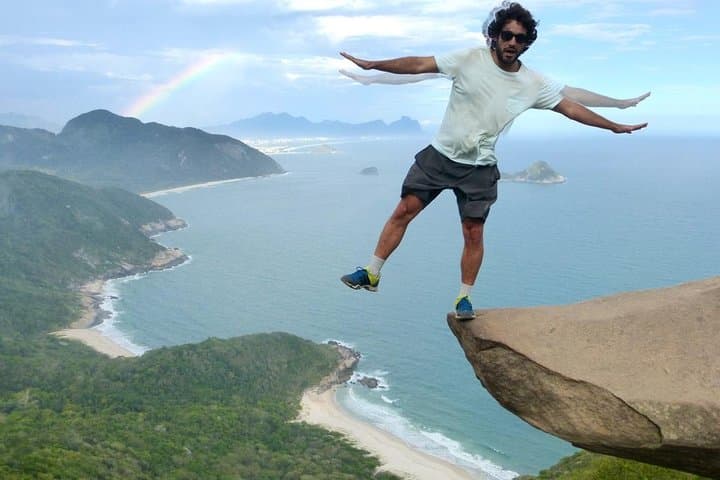
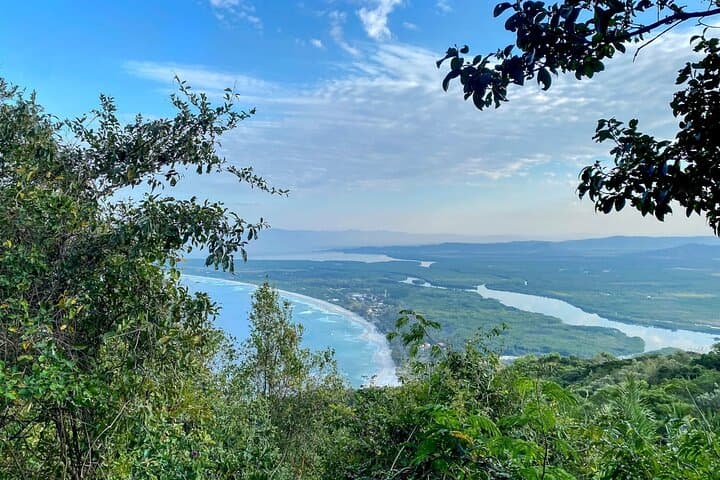
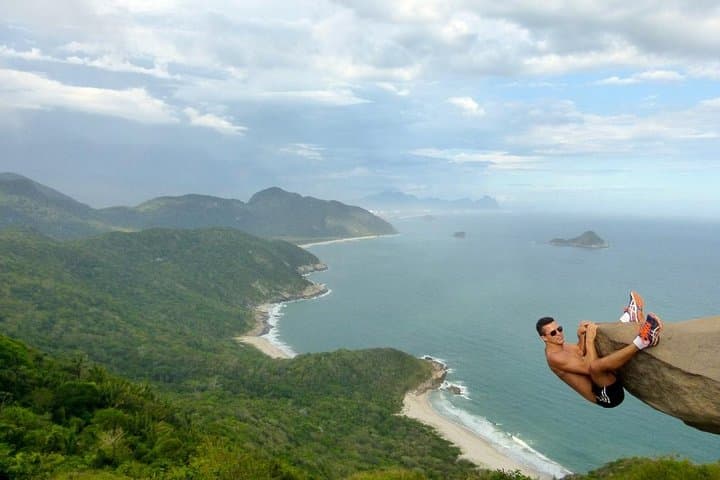
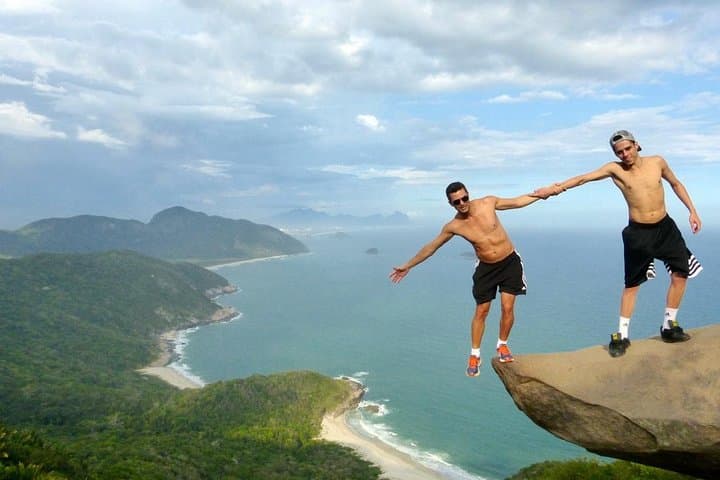
A single ridge of granite juts from the western flank of Rio de Janeiro, a squat outcrop that throws open a panorama: beaches and marsh, Atlantic blue and the thick green of Tijuca’s foothills. Climbers and photographers move up a worn trail, the climb taking roughly an hour to reach the 354‑meter summit where an iconic ledge offers a dramatic foreground for ocean views.
Verified experiences and guided adventures in the surrounding area.
Operated by Rio Natural Ecotourism · Rio de Janeiro, Rio de Janeiro
A single ridge of granite juts from the western flank of Rio de Janeiro, a squat outcrop that throws open a panorama: beaches and marsh, Atlantic blue and the thick green of Tijuca’s foothills. Climbers and photographers move up a worn trail, the climb taking roughly an hour to reach the 354‑meter summit where an iconic ledge offers a dramatic foreground for ocean views.
The rock sits on the edge of Pedra Branca State Park, part of a larger geological spine that shaped Rio’s coastal escarpments. The area’s sandstones and gneiss tell a history of uplift and coastal erosion, while nearby Restinga da Marambaia preserves rare marsh and dune habitats used historically for small fishing communities and military landings.
Culturally the route is informal: local guides ferry groups from the city’s west zone, and the summit has become famous for staged “cliff” photos. That popularity coexists with pockets of quiet—Grumari’s wide crescent beach and the salt marshes below offer genuine solitude if timed right.
Practical note: expect a steady uphill on rocky, sometimes loose terrain; the round trip plus beach time is about six hours including transfers. Bring sun protection and at least 1–2 liters of water, and wear trekking shoes with good grip. Plan the hike for morning light to avoid midday heat and to catch clearer sea views. After the summit, most itineraries include an hour for swimming at Grumari and a scenic coastal drive back to Rio—good moments for cooling down and drying off before a city return.
moderate.
6 hours.
Suitable for persons with basic aerobic fitness able to sustain a steady 1‑hour uphill at moderate pace; short scrambling and uneven surfaces require balance.
The uphill section takes about one hour for most groups; plan for a total outing of around six hours including transfers and a beach stop.
The ledge is real and narrow—guides usually help with positioning; avoid risky stunts, follow guide direction, and keep a safe distance from the edge.
Independent access is possible but many visitors use local guides or tours for transport and safer navigation of the route and parking restrictions.
Trekking shoes, sun protection, 1–2 liters of water, and a swimsuit are recommended; light layers for early morning or breezy conditions help.
The coast here was used by small fishing settlements and saw military presence on Marambaia; geology reflects ancient uplift that formed Rio’s coastal cliffs.
Pedra Branca State Park and the Marambaia restinga are protected areas—stick to trails, avoid littering, and respect local signage to reduce erosion and habitat disturbance.
Rio Natural Ecotourism operates guided outdoor trips and adventures with an emphasis on safety, stewardship, and memorable experiences.
A single ridge of granite juts from the western flank of Rio de Janeiro, a squat outcrop that throws open a panorama: beaches and marsh, Atlantic blue and the thick green of Tijuca’s foothills. Climbers and photographers move up a worn trail, the climb taking roughly an hour to reach the 354‑meter summit where an iconic ledge offers a dramatic foreground for ocean views.
A single ridge of granite juts from the western flank of Rio de Janeiro, a squat outcrop that throws open a panorama: beaches and marsh, Atlantic blue and the thick green of Tijuca’s foothills. Climbers and photographers move up a worn trail, the climb taking roughly an hour to reach the 354‑meter summit where an iconic ledge offers a dramatic foreground for ocean views.
The rock sits on the edge of Pedra Branca State Park, part of a larger geological spine that shaped Rio’s coastal escarpments. The area’s sandstones and gneiss tell a history of uplift and coastal erosion, while nearby Restinga da Marambaia preserves rare marsh and dune habitats used historically for small fishing communities and military landings.
Culturally the route is informal: local guides ferry groups from the city’s west zone, and the summit has become famous for staged “cliff” photos. That popularity coexists with pockets of quiet—Grumari’s wide crescent beach and the salt marshes below offer genuine solitude if timed right.
Practical note: expect a steady uphill on rocky, sometimes loose terrain; the round trip plus beach time is about six hours including transfers. Bring sun protection and at least 1–2 liters of water, and wear trekking shoes with good grip. Plan the hike for morning light to avoid midday heat and to catch clearer sea views. After the summit, most itineraries include an hour for swimming at Grumari and a scenic coastal drive back to Rio—good moments for cooling down and drying off before a city return.