THE ADVENTURE COLLECTIVE® · Independent discovery and booking for outdoor travel

A demanding, high-reward hike above Rio that ends on a granite summit with sweeping coastal views. Expect steep forested approaches, a short technical scramble, and required safety gear.
A demanding, high-reward hike above Rio that ends on a granite summit with sweeping coastal views. Expect steep forested approaches, a short technical scramble, and required safety gear.
You step off the city streets into a pocket of Atlantic Forest; plant life leans over the trail as the city noise fades and granite reasserts itself. The climb to Pedra da Gávea pushes through humid understory, up root-choked slopes and across slabby rock, until the last exposed scramble where the Carrasqueira forces you to use your hands and the provided safety gear.
Verified experiences and guided adventures in the surrounding area.
Operated by RIOTRIPS · Rio de Janeiro, Rio de Janeiro
You step off the city streets into a pocket of Atlantic Forest; plant life leans over the trail as the city noise fades and granite reasserts itself. The climb to Pedra da Gávea pushes through humid understory, up root-choked slopes and across slabby rock, until the last exposed scramble where the Carrasqueira forces you to use your hands and the provided safety gear.
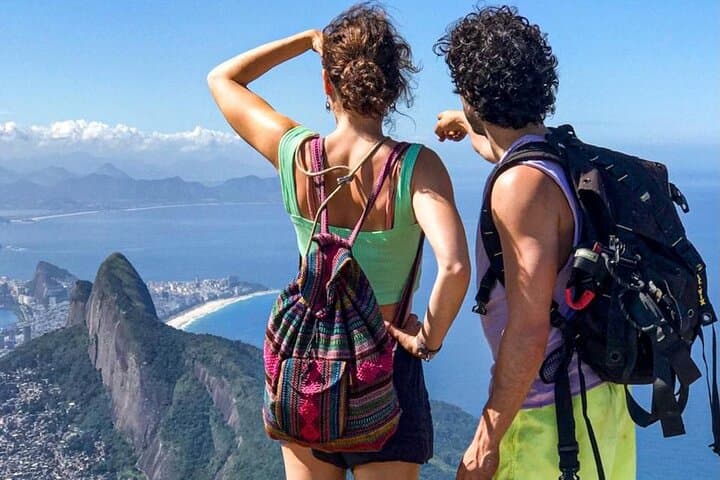
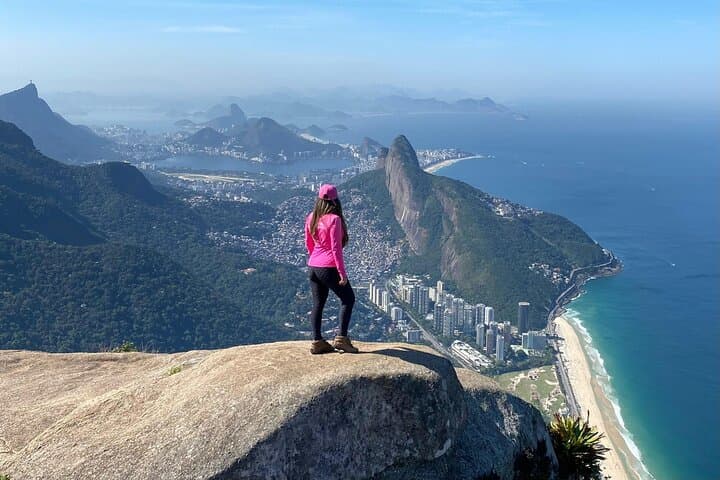
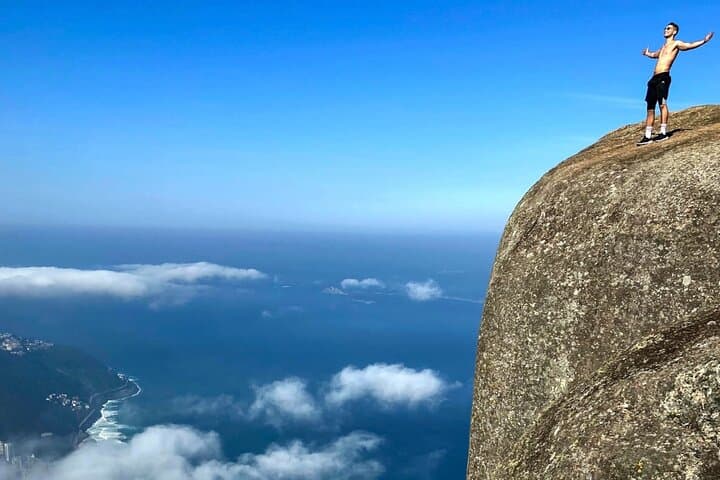
Geology here is literal: a single granite monolith rising to 844 m, formed from ancient magma intrusions and shaped by coastal weathering. From the summit the view is forensic — Christ the Redeemer, Sugarloaf, Lagoa, the South Zone and the sweep of coastline are all laid out with surgical clarity. Culturally the peak has long been a local challenge: Cariocas come for sunrise attempts, for training, and for the bragging rights of the ridge.
Expect four to six hours out and back for a guided ascent, much of it steep and technical in places. Trails alternate packed dirt, exposed roots and bare rock; wet conditions make the Carrasqueira section slick. Guides typically supply helmets, harnesses and short ropes for the riskiest moves.
Practical guidance: start before 8 a.m. to avoid heat and afternoon storms, wear stiffer hiking boots with good traction, bring 2–3 liters of water and salty snacks, and carry a lightweight rain shell. If you have limited scrambling experience, travel with a guide — they’ll manage knots and belays so you can focus on each move. The summit rewards careful effort with one of Rio’s fiercest panoramas.
difficult.
6 hours.
High — you should be comfortable with sustained uphill hiking, scrambling and short rope-assisted moves
The guided outing runs about 6 hours round-trip and is rated difficult — expect steep climbs, uneven trail, and a short technical scramble requiring hands and rope assistance.
No formal climbing experience is required, but comfort with scrambling and exposure helps; guides provide helmets, harnesses and instruction for the Carrasqueira section.
Yes — the meeting point near Ponto da Meire is accessible by public transit and local taxis; confirm exact pickup instructions with the operator.
Heavy rain and high winds make exposed granite and the Carrasqueira dangerously slippery; operators often cancel in bad weather for safety.
The monolith has been a landmark for centuries and figures in local indigenous lore; in modern times it became a focal point for Carioca climbers and hikers seeking a technical urban ascent.
Visitors travel through sensitive Atlantic Forest fragments — stick to trail tread, pack out waste, and favor guided groups that follow low-impact practices.
RIOTRIPS operates guided outdoor trips and adventures with an emphasis on safety, stewardship, and memorable experiences.
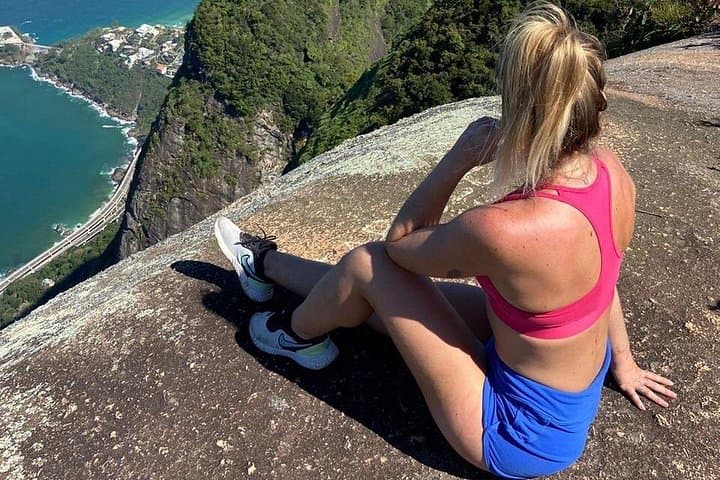
You step off the city streets into a pocket of Atlantic Forest; plant life leans over the trail as the city noise fades and granite reasserts itself. The climb to Pedra da Gávea pushes through humid understory, up root-choked slopes and across slabby rock, until the last exposed scramble where the Carrasqueira forces you to use your hands and the provided safety gear.
You step off the city streets into a pocket of Atlantic Forest; plant life leans over the trail as the city noise fades and granite reasserts itself. The climb to Pedra da Gávea pushes through humid understory, up root-choked slopes and across slabby rock, until the last exposed scramble where the Carrasqueira forces you to use your hands and the provided safety gear.
Geology here is literal: a single granite monolith rising to 844 m, formed from ancient magma intrusions and shaped by coastal weathering. From the summit the view is forensic — Christ the Redeemer, Sugarloaf, Lagoa, the South Zone and the sweep of coastline are all laid out with surgical clarity. Culturally the peak has long been a local challenge: Cariocas come for sunrise attempts, for training, and for the bragging rights of the ridge.
Expect four to six hours out and back for a guided ascent, much of it steep and technical in places. Trails alternate packed dirt, exposed roots and bare rock; wet conditions make the Carrasqueira section slick. Guides typically supply helmets, harnesses and short ropes for the riskiest moves.
Practical guidance: start before 8 a.m. to avoid heat and afternoon storms, wear stiffer hiking boots with good traction, bring 2–3 liters of water and salty snacks, and carry a lightweight rain shell. If you have limited scrambling experience, travel with a guide — they’ll manage knots and belays so you can focus on each move. The summit rewards careful effort with one of Rio’s fiercest panoramas.