THE ADVENTURE COLLECTIVE® · Independent discovery and booking for outdoor travel

A full-day guided climb on the P4 route up Pedra da Gávea takes you across forested switchbacks, exposed slabs and rope-assisted descents to a plateau with sweeping Atlantic views. Ideal for fit hikers comfortable with scrambling and guided technical sections.
A full-day guided climb on the P4 route up Pedra da Gávea takes you across forested switchbacks, exposed slabs and rope-assisted descents to a plateau with sweeping Atlantic views. Ideal for fit hikers comfortable with scrambling and guided technical sections.
You step out of the warm, humid air of Tijuca and the forest immediately answers — leaves whisper, roots grip, and the stone itself seems to watch as you begin the climb. The P4 route up Pedra da Gávea rises steep and raw out of Rio’s south zone: a vast granite face by the sea that dares you to read its contours and find the route carved into rock and history.
Verified experiences and guided adventures in the surrounding area.
Operated by Brasil Show Turismo - Agência de Turismo Rio de Janeiro · Rio de Janeiro, Rio de Janeiro
You step out of the warm, humid air of Tijuca and the forest immediately answers — leaves whisper, roots grip, and the stone itself seems to watch as you begin the climb. The P4 route up Pedra da Gávea rises steep and raw out of Rio’s south zone: a vast granite face by the sea that dares you to read its contours and find the route carved into rock and history.
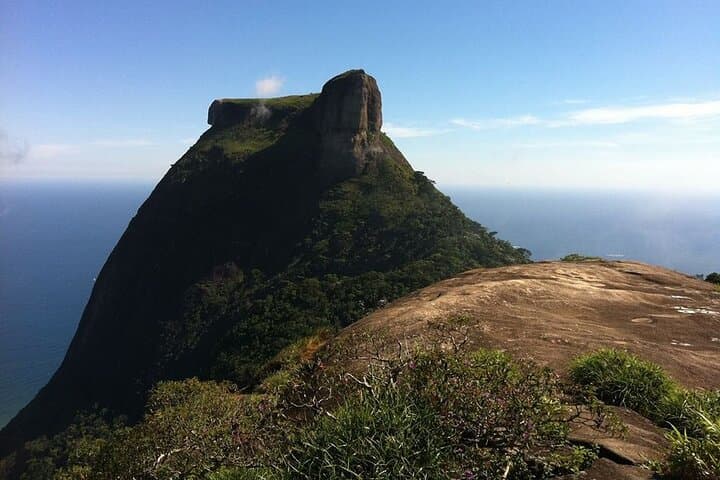
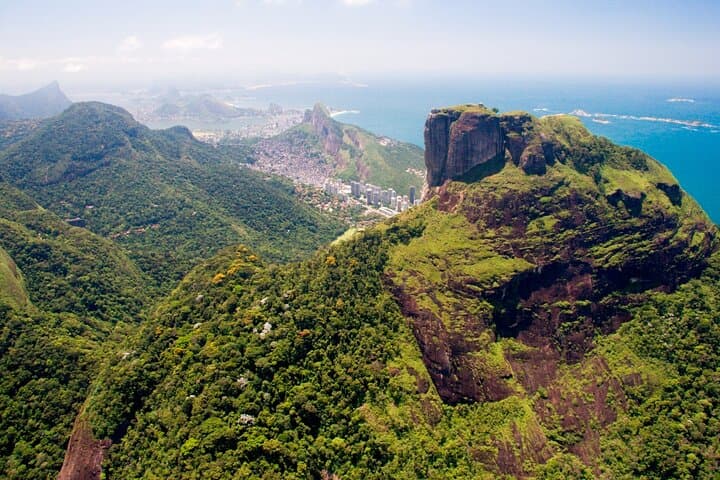
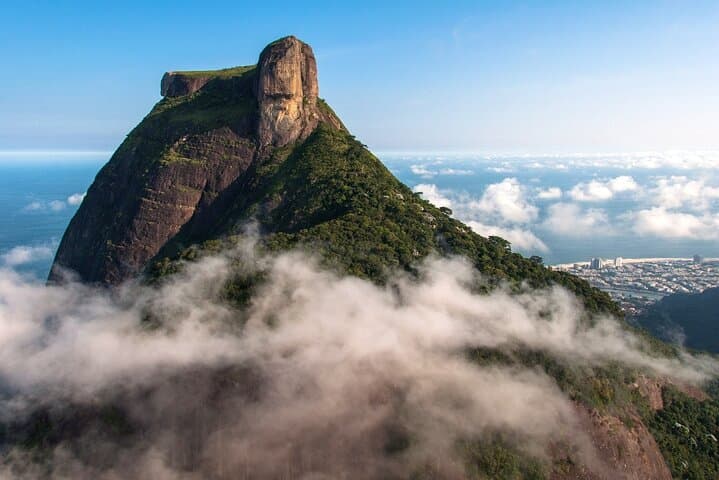
This is more than a hike; it’s a meeting of geology and culture. Pedra da Gávea is the world’s largest coastal monolith, its shape likened to a ship’s observation basket and, from some angles, a human face. Indigenous names and Portuguese mapping overlap here, and the stone’s basalt and granite layers tell a 600-million-year story of uplift and erosion visible in sheer walls and weathered ledges.
Expect forested switchbacks, exposed slabs, short hands-on scrambling, and guided rope-assisted sections. Photo stops at Garganta do Céu and the plateau reward effort with sweeping views over São Conrado, the Pedra Bonita ridge, and the Atlantic beyond.
Practical guidance: this is a full-day outing (plan 6–8 hours including transfers). Wear stiff-soled hiking boots, bring 2–3 liters of water, sun protection and a light rain layer. Guides provide safety equipment for the technical descent through the carrasqueira; you should be comfortable on exposed terrain and able to follow rope-assisted maneuvers. Start early to avoid midday heat and crowds, and allow time to descend with care — the return often requires focused footing after long views and camera pauses.
challenging.
6–8 hours.
Good cardiovascular fitness and leg strength; comfortable with sustained climbs and scrambling on exposed terrain
The P4 route is challenging: expect steep sections, exposed slabs and short technical moves; guides provide safety equipment but hikers should be comfortable with scrambling.
No formal climbing certification is required — the guide manages rope-assisted sections — but prior scrambling experience and comfort with exposure are recommended.
Bring 2–3 liters of water and energy-dense snacks (nuts, bars, sandwiches); there are no services on the trail.
This tour is not recommended for people with serious heart or spinal conditions, or for pregnant travelers; moderate to high fitness is required.
The monolith carries names and stories from Indigenous peoples and Portuguese sailors; its shape inspired early navigators and local legends about its human-like profile.
Pedra da Gávea lies within Tijuca National Park; stay on marked trails, avoid leaving waste, and respect guide instructions to limit erosion and disturbance.
Brasil Show Turismo - Agência de Turismo Rio de Janeiro operates guided outdoor trips and adventures with an emphasis on safety, stewardship, and memorable experiences.
You step out of the warm, humid air of Tijuca and the forest immediately answers — leaves whisper, roots grip, and the stone itself seems to watch as you begin the climb. The P4 route up Pedra da Gávea rises steep and raw out of Rio’s south zone: a vast granite face by the sea that dares you to read its contours and find the route carved into rock and history.
You step out of the warm, humid air of Tijuca and the forest immediately answers — leaves whisper, roots grip, and the stone itself seems to watch as you begin the climb. The P4 route up Pedra da Gávea rises steep and raw out of Rio’s south zone: a vast granite face by the sea that dares you to read its contours and find the route carved into rock and history.
This is more than a hike; it’s a meeting of geology and culture. Pedra da Gávea is the world’s largest coastal monolith, its shape likened to a ship’s observation basket and, from some angles, a human face. Indigenous names and Portuguese mapping overlap here, and the stone’s basalt and granite layers tell a 600-million-year story of uplift and erosion visible in sheer walls and weathered ledges.
Expect forested switchbacks, exposed slabs, short hands-on scrambling, and guided rope-assisted sections. Photo stops at Garganta do Céu and the plateau reward effort with sweeping views over São Conrado, the Pedra Bonita ridge, and the Atlantic beyond.
Practical guidance: this is a full-day outing (plan 6–8 hours including transfers). Wear stiff-soled hiking boots, bring 2–3 liters of water, sun protection and a light rain layer. Guides provide safety equipment for the technical descent through the carrasqueira; you should be comfortable on exposed terrain and able to follow rope-assisted maneuvers. Start early to avoid midday heat and crowds, and allow time to descend with care — the return often requires focused footing after long views and camera pauses.