THE ADVENTURE COLLECTIVE® · Independent discovery and booking for outdoor travel

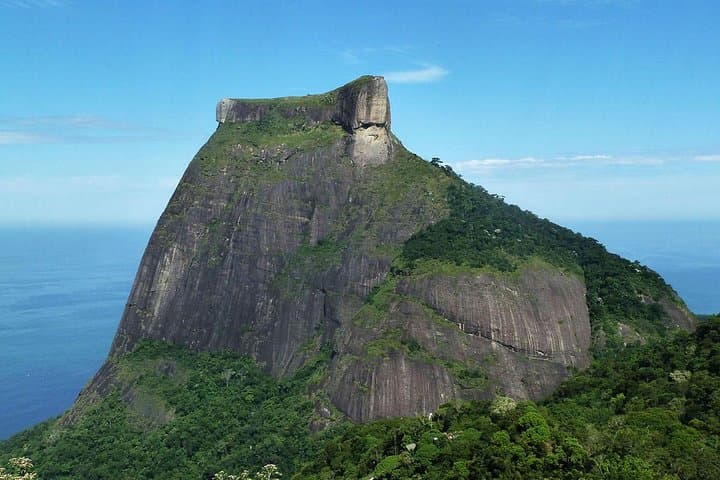
Climb Pedra da Gávea for an 842 m summit that frames Tijuca Forest and Rio’s coastline. This 6 km, high-gain hike includes a short aided scramble and a guided rappel on descent.
Climb Pedra da Gávea for an 842 m summit that frames Tijuca Forest and Rio’s coastline. This 6 km, high-gain hike includes a short aided scramble and a guided rappel on descent.
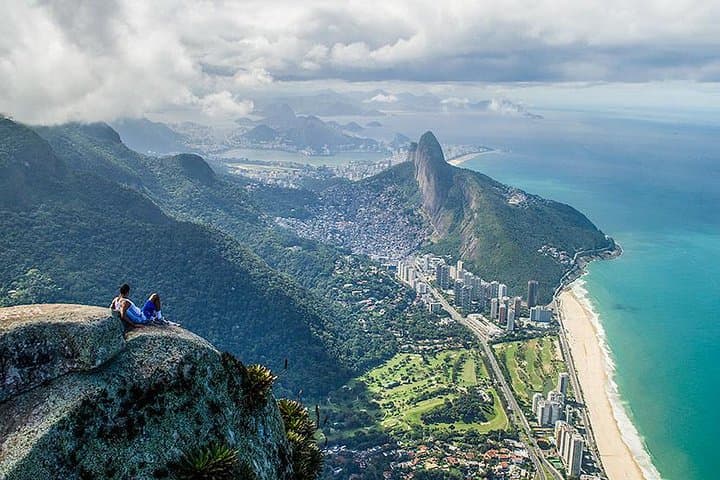
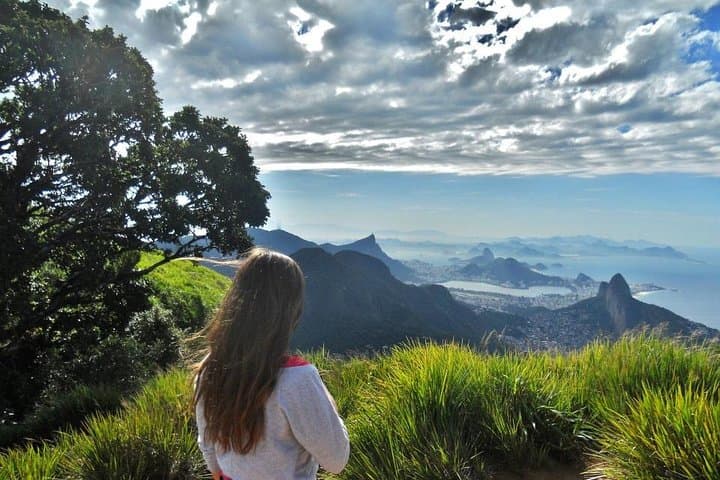
You start before dawn, stepping into the cool green of Tijuca National Park while the city still sleeps beneath a strip of light. The trail climbs quickly through shaded singletrack and exposed slabs, trees pressing close until the forest opens and the city unfolds below.
Verified experiences and guided adventures in the surrounding area.
Operated by RioXtreme · Rio de Janeiro, Rio de Janeiro
You start before dawn, stepping into the cool green of Tijuca National Park while the city still sleeps beneath a strip of light. The trail climbs quickly through shaded singletrack and exposed slabs, trees pressing close until the forest opens and the city unfolds below.
Geology here is blunt and ancient: Pedra da Gávea is a massive granite–gneiss dome carved by millions of years of weathering. Sailors and early settlers used the rock as a coastal landmark; local lore adds whispered stories of mysterious markings near the summit. The mountain sits inside the world's largest urban forest and offers perspectives on Rio’s beaches, Corcovado and Sugarloaf that change with every step.
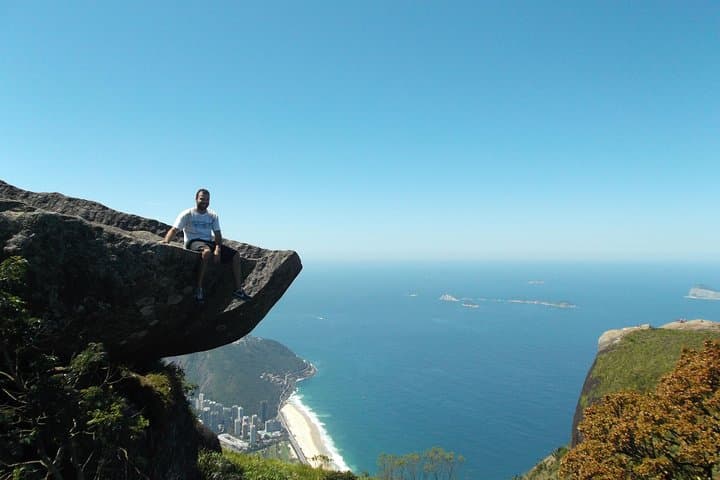
Expect sustained uphill for roughly 6 km round-trip with ~800 m of gain; the push near the top is a short 15 m hands-on scramble where guides clip you into fixed ropes. Descending often includes a guided rappel back down the steeper band.
Practical edge: carry 2–3 liters of water, sun protection, and sturdy shoes with sticky soles for the rock. Start early to avoid heat and afternoon storms; the route can be slick after rain. Guides supply helmets, harnesses and rappel gear; no prior climbing experience required but be ready for exposed moves and a sustained aerobic effort.
The reward is straightforward — a raw panorama where forest, sea and city meet — and the skills you practice are the same ones you’ll use on many urban-forest climbs around the world.
difficult.
5–6 hours.
High aerobic fitness and comfort with sustained uphill hiking; ability to handle short exposed scrambling under guide supervision.
No prior climbing experience is required; guides manage the fixed ropes and rappel. You should be comfortable with short exposed scrambling and following safety instructions.
This is a high-gain, aerobic hike (≈800 m elevation gain). Regular cardio training and prior hikes of similar effort are recommended.
The operator cancels tours for rain or thunderstorms due to slippery rock and lightning risk — you’ll be offered a full refund if canceled at least 24 hours prior or by the operator for safety.
Not recommended for those with spinal, severe heart issues, or limited mobility; minors may join if physically capable and approved by the operator during booking.
Pedra da Gávea has guided sailors for centuries and inspired local legends; its rock face and dubious inscriptions have long fueled curiosity and exploration.
The hike runs inside Tijuca National Park, a reforested urban forest; stick to the trail, avoid feeding wildlife, and pack out all waste to protect the fragile ecosystem.
RioXtreme operates guided outdoor trips and adventures with an emphasis on safety, stewardship, and memorable experiences.
You start before dawn, stepping into the cool green of Tijuca National Park while the city still sleeps beneath a strip of light. The trail climbs quickly through shaded singletrack and exposed slabs, trees pressing close until the forest opens and the city unfolds below.
You start before dawn, stepping into the cool green of Tijuca National Park while the city still sleeps beneath a strip of light. The trail climbs quickly through shaded singletrack and exposed slabs, trees pressing close until the forest opens and the city unfolds below.
Geology here is blunt and ancient: Pedra da Gávea is a massive granite–gneiss dome carved by millions of years of weathering. Sailors and early settlers used the rock as a coastal landmark; local lore adds whispered stories of mysterious markings near the summit. The mountain sits inside the world's largest urban forest and offers perspectives on Rio’s beaches, Corcovado and Sugarloaf that change with every step.
Expect sustained uphill for roughly 6 km round-trip with ~800 m of gain; the push near the top is a short 15 m hands-on scramble where guides clip you into fixed ropes. Descending often includes a guided rappel back down the steeper band.
Practical edge: carry 2–3 liters of water, sun protection, and sturdy shoes with sticky soles for the rock. Start early to avoid heat and afternoon storms; the route can be slick after rain. Guides supply helmets, harnesses and rappel gear; no prior climbing experience required but be ready for exposed moves and a sustained aerobic effort.
The reward is straightforward — a raw panorama where forest, sea and city meet — and the skills you practice are the same ones you’ll use on many urban-forest climbs around the world.