THE ADVENTURE COLLECTIVE® · Independent discovery and booking for outdoor travel

A steep, technical hike through Tijuca Forest to the 980 m granite summit of Pedra da Gávea. Expect jungle trails, a fixed-rope climbing section, sweeping coastal views and a guide-assisted ascent.
A steep, technical hike through Tijuca Forest to the 980 m granite summit of Pedra da Gávea. Expect jungle trails, a fixed-rope climbing section, sweeping coastal views and a guide-assisted ascent.
The trailhead begins in the humid shade of Tijuca Forest and immediately the mountain announces itself: a massive granite face that seems to watch the city. As you climb, the forest narrows and the city drops away — the ocean and the favela roofs appear like a model beneath the rock. Wind teases at the top; the summit’s open ledges lay the whole coastline bare.
Verified experiences and guided adventures in the surrounding area.
Operated by EcotuRio · Rio de Janeiro, Rio de Janeiro
The trailhead begins in the humid shade of Tijuca Forest and immediately the mountain announces itself: a massive granite face that seems to watch the city. As you climb, the forest narrows and the city drops away — the ocean and the favela roofs appear like a model beneath the rock. Wind teases at the top; the summit’s open ledges lay the whole coastline bare.
Geology here is blunt and honest: cartloads of Precambrian granite pushed up and weathered into the steep slab known as Pedra da Gávea. The name—gávea—refers to a ship’s topsail, a maritime metaphor given by early sailors who read the coast like a chart. Culturally, the massif has been part of Carioca life for centuries: a landmark for sailors, a challenge for climbers, and a refuge inside Tijuca National Park.
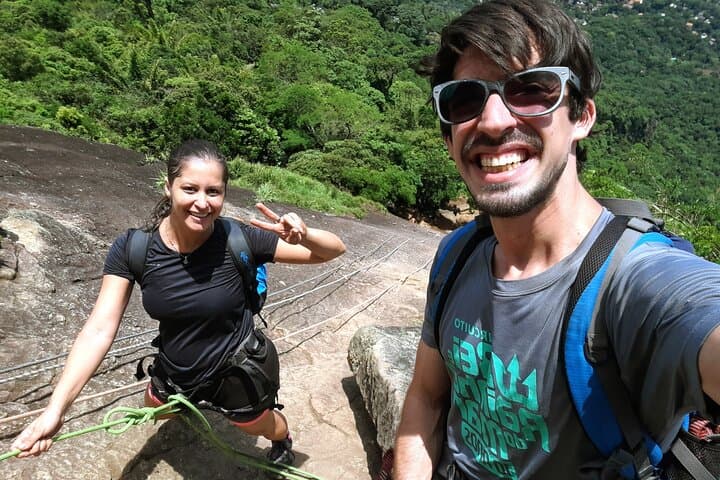
Practically, expect about 5 km uphill with 980 m of summit altitude; the route mixes steep jungle footpaths, rocky steps and a 30 m fixed-rope/climbing pitch called the carrasqueira. Guides typically rig harnesses and belays for that section. Shade covers much of the lower route, but the summit is exposed — sun, wind and sudden weather changes are real.
Bring 2+ liters of water, sunscreen and layered clothing. Start early to avoid heat and afternoon storms. If you’re fit, comfortable with scrambling and willing to use fixed lines, the payoff is an unmatched panorama of Rio that rewards effort with a clear, physical view of the city’s scale.
challenging.
6–8 hours.
Requires high aerobic fitness, leg strength and comfort on sustained uphill terrain with short technical climbing.
Yes — certified guides commonly supply harnesses, helmets and belay systems for the 30 m assisted pitch; confirm with your operator before the hike.
You need a high level of fitness: sustained uphill hiking for several hours plus the ability to scramble and handle short exposed sections with guidance.
This route is not recommended for people with heart or spinal problems, for pregnant travelers, or for those with limited mobility due to the technical nature of the climb.
Start early morning to avoid heat and afternoon storms; early starts also mean lighter crowds on narrow sections and better visibility from the summit.
Named by sailors who likened its profile to a ship’s topsail, Pedra da Gávea has long been a coastal landmark and later a focus for climbing in Rio’s history.
The route runs within Tijuca National Park; stick to trails, pack out all waste and follow guide instructions to limit erosion and protect endemic forest.
EcotuRio operates guided outdoor trips and adventures with an emphasis on safety, stewardship, and memorable experiences.
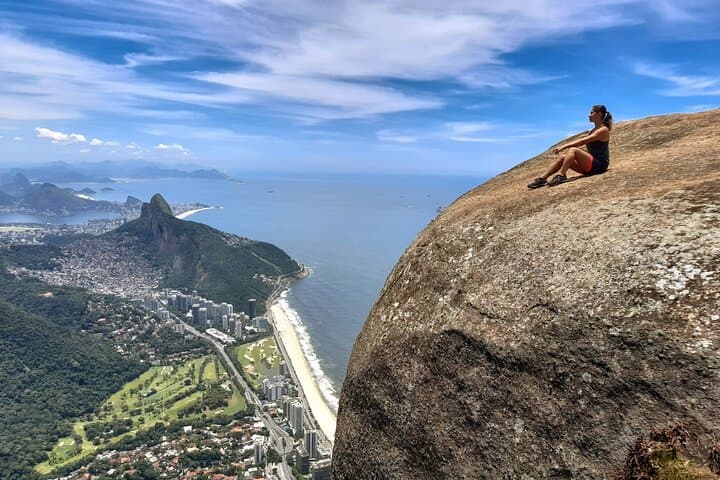
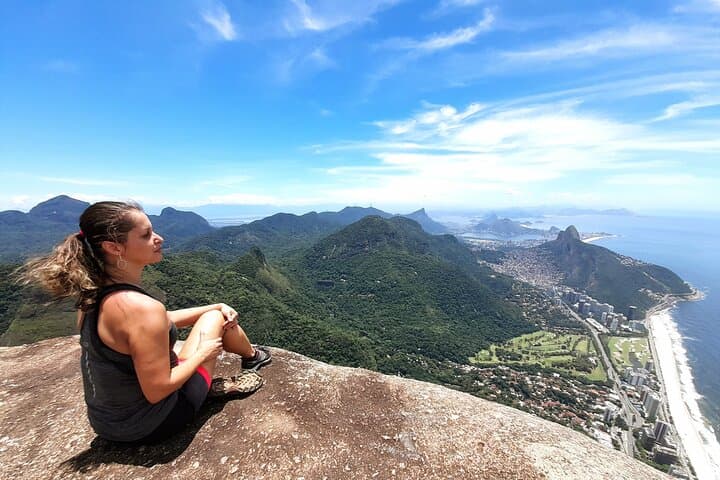
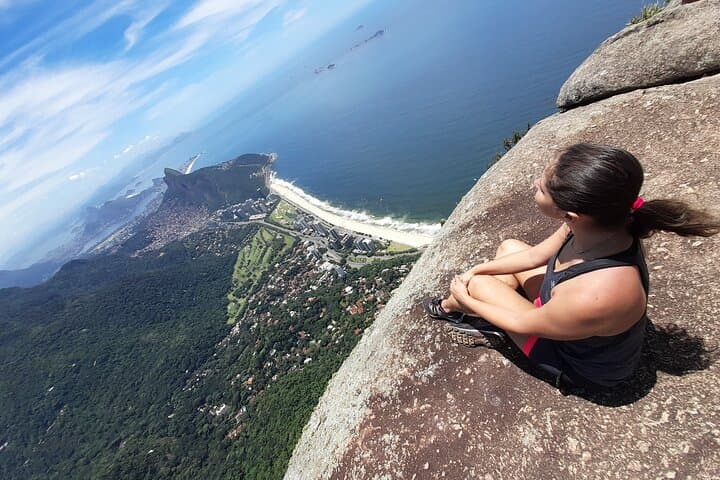
The trailhead begins in the humid shade of Tijuca Forest and immediately the mountain announces itself: a massive granite face that seems to watch the city. As you climb, the forest narrows and the city drops away — the ocean and the favela roofs appear like a model beneath the rock. Wind teases at the top; the summit’s open ledges lay the whole coastline bare.
The trailhead begins in the humid shade of Tijuca Forest and immediately the mountain announces itself: a massive granite face that seems to watch the city. As you climb, the forest narrows and the city drops away — the ocean and the favela roofs appear like a model beneath the rock. Wind teases at the top; the summit’s open ledges lay the whole coastline bare.
Geology here is blunt and honest: cartloads of Precambrian granite pushed up and weathered into the steep slab known as Pedra da Gávea. The name—gávea—refers to a ship’s topsail, a maritime metaphor given by early sailors who read the coast like a chart. Culturally, the massif has been part of Carioca life for centuries: a landmark for sailors, a challenge for climbers, and a refuge inside Tijuca National Park.
Practically, expect about 5 km uphill with 980 m of summit altitude; the route mixes steep jungle footpaths, rocky steps and a 30 m fixed-rope/climbing pitch called the carrasqueira. Guides typically rig harnesses and belays for that section. Shade covers much of the lower route, but the summit is exposed — sun, wind and sudden weather changes are real.
Bring 2+ liters of water, sunscreen and layered clothing. Start early to avoid heat and afternoon storms. If you’re fit, comfortable with scrambling and willing to use fixed lines, the payoff is an unmatched panorama of Rio that rewards effort with a clear, physical view of the city’s scale.