THE ADVENTURE COLLECTIVE® · Independent discovery and booking for outdoor travel

A steep, technical hike to one of Rio’s most dramatic coastal monoliths. Expect a demanding climb, short assisted rock sections, and panoramic views over beaches and city skylines.
A steep, technical hike to one of Rio’s most dramatic coastal monoliths. Expect a demanding climb, short assisted rock sections, and panoramic views over beaches and city skylines.
You start on a narrow track where the Atlantic Forest presses close, humidity clinging to your shirt and the ocean always at the edge of your hearing. The trail climbs sharply from São Conrado, threading through mossy roots and granite outcrops until the trees open and Pedra da Gávea—the colossal coastal monolith—looms above, its face carved by wind and rain.
Verified experiences and guided adventures in the surrounding area.
Operated by rio adventures tour operator · Rio de Janeiro, Rio de Janeiro
You start on a narrow track where the Atlantic Forest presses close, humidity clinging to your shirt and the ocean always at the edge of your hearing. The trail climbs sharply from São Conrado, threading through mossy roots and granite outcrops until the trees open and Pedra da Gávea—the colossal coastal monolith—looms above, its face carved by wind and rain.
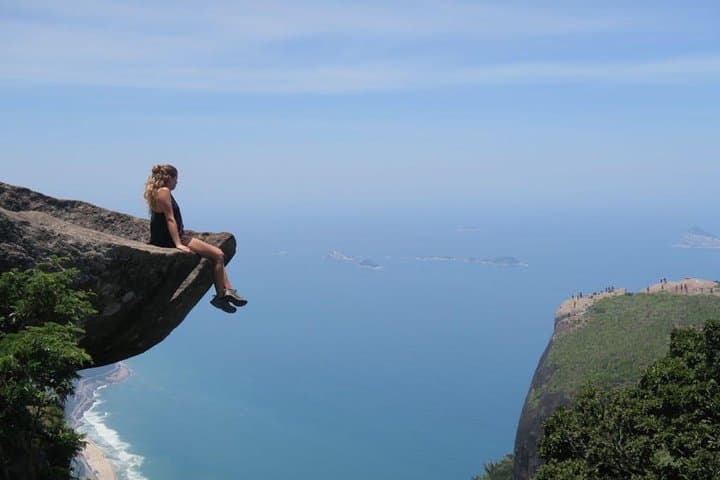
A single mass of gneiss and granite rising roughly 842 meters above sea level, Pedra da Gávea is both a geological landmark and a locus of local legend: a cliff face that some say resembles an ancient giant and bears faint marks long attributed to sailors and myth. The peak sits inside Tijuca National Park, part of a reforested 19th‑century effort that restored large sections of Rio’s Atlantic Forest and protects a surprising slice of biodiversity inside the city limits.
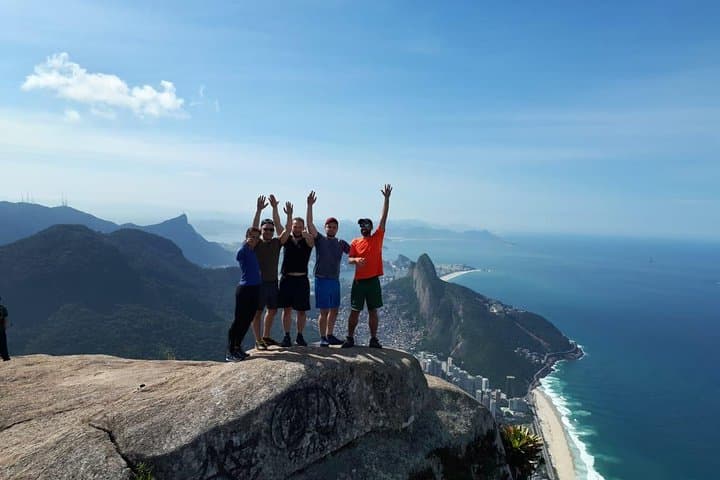
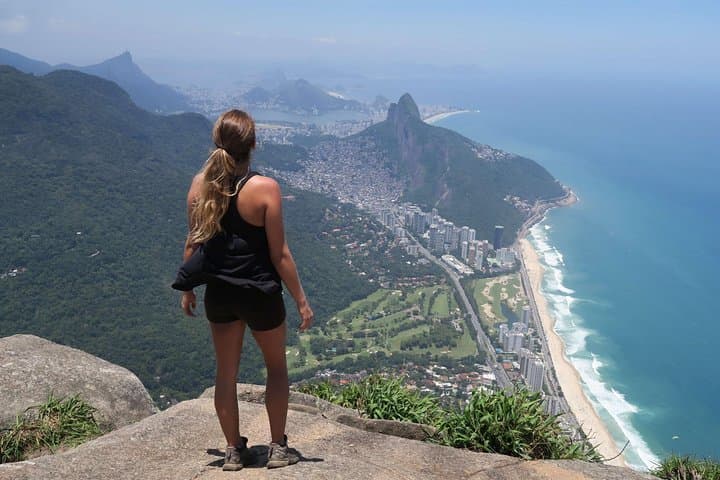
Expect steep switchbacks, sections of exposed rock and a short, assisted climbing pitch where guides attach ropes and harnesses. The reward is a panoramic bowl—beaches, sugarloaf, and the sprawling city—where wind dares you to linger.
Practical guidance: start before dawn to avoid heat and afternoon storms, bring 2–3 liters of water, layered clothing and sturdy boots with good grip. Guides provide climbing gear but bring light gloves and a small first‑aid kit. Fitness matters: this is a long, strenuous day with technical exposure; if you’re comfortable on steep, unshaded trails and short rock scrambles, it’s attainable and unforgettable.
challenging.
6–8 hours.
High level of cardiovascular fitness and sure-footedness; regular hikers comfortable with long ascents will fare best.
No technical experience is required, but you should be comfortable on steep trails and short exposed scrambles; guides provide harnesses and instruction for the assisted pitch.
The outing often runs 6–8 hours door-to-door with steep, sustained ascent to the summit and sections requiring careful footwork—it's considered challenging.
Thunderstorms and heavy rain make the route hazardous due to slippery granite and exposure; operators may cancel—check weather and follow guide advice.
Minimum age is typically 16 for safety reasons; operators restrict participants with significant knee, back, or cardiovascular issues.
Pedra da Gávea is a massive gneiss-granite monolith inside Tijuca National Park and carries local legends about a carved face and ancient inscriptions, reflecting the area’s mix of geology and folklore.
Tijuca is a restored urban rainforest—stick to trails, carry out all trash and respect wildlife to support ongoing conservation in this fragile coastal ecosystem.
rio adventures tour operator operates guided outdoor trips and adventures with an emphasis on safety, stewardship, and memorable experiences.
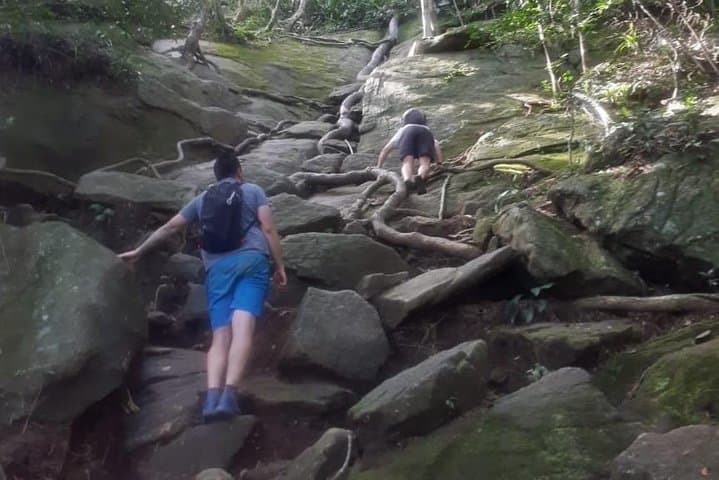
You start on a narrow track where the Atlantic Forest presses close, humidity clinging to your shirt and the ocean always at the edge of your hearing. The trail climbs sharply from São Conrado, threading through mossy roots and granite outcrops until the trees open and Pedra da Gávea—the colossal coastal monolith—looms above, its face carved by wind and rain.
You start on a narrow track where the Atlantic Forest presses close, humidity clinging to your shirt and the ocean always at the edge of your hearing. The trail climbs sharply from São Conrado, threading through mossy roots and granite outcrops until the trees open and Pedra da Gávea—the colossal coastal monolith—looms above, its face carved by wind and rain.
A single mass of gneiss and granite rising roughly 842 meters above sea level, Pedra da Gávea is both a geological landmark and a locus of local legend: a cliff face that some say resembles an ancient giant and bears faint marks long attributed to sailors and myth. The peak sits inside Tijuca National Park, part of a reforested 19th‑century effort that restored large sections of Rio’s Atlantic Forest and protects a surprising slice of biodiversity inside the city limits.
Expect steep switchbacks, sections of exposed rock and a short, assisted climbing pitch where guides attach ropes and harnesses. The reward is a panoramic bowl—beaches, sugarloaf, and the sprawling city—where wind dares you to linger.
Practical guidance: start before dawn to avoid heat and afternoon storms, bring 2–3 liters of water, layered clothing and sturdy boots with good grip. Guides provide climbing gear but bring light gloves and a small first‑aid kit. Fitness matters: this is a long, strenuous day with technical exposure; if you’re comfortable on steep, unshaded trails and short rock scrambles, it’s attainable and unforgettable.