THE ADVENTURE COLLECTIVE® · Independent discovery and booking for outdoor travel

Ascend Pedra da Gávea for an eight-hour climb through Tijuca Forest to an 842 m ocean-facing summit. This difficult route mixes steep hiking, scrambling and short technical rope sections with panoramic views over Rio.
Ascend Pedra da Gávea for an eight-hour climb through Tijuca Forest to an 842 m ocean-facing summit. This difficult route mixes steep hiking, scrambling and short technical rope sections with panoramic views over Rio.
The trail begins in the shadow of dense Atlantic forest, the path squeezing between roots and boulders as the city below becomes a shrinking mosaic. Wind pushes across the slope and the granite face of Pedra da Gávea looms—842 meters of rock rising directly from the forest like a challenge. Hikers move steadily upward past holm oaks and bromeliads, reach a plateau, and skirt the rock outcrop known locally as the ‘head of the emperor’ before the final rope-assisted sections.
Verified experiences and guided adventures in the surrounding area.
Operated by Boralá Rio · Rio de Janeiro, Rio de Janeiro
The trail begins in the shadow of dense Atlantic forest, the path squeezing between roots and boulders as the city below becomes a shrinking mosaic. Wind pushes across the slope and the granite face of Pedra da Gávea looms—842 meters of rock rising directly from the forest like a challenge. Hikers move steadily upward past holm oaks and bromeliads, reach a plateau, and skirt the rock outcrop known locally as the ‘head of the emperor’ before the final rope-assisted sections.
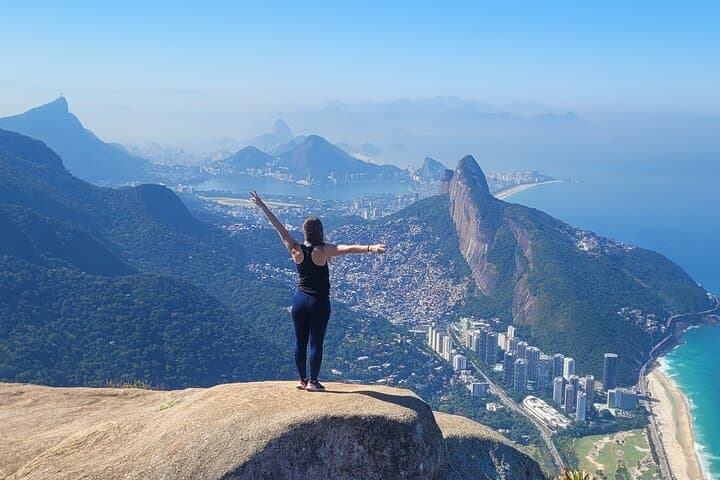
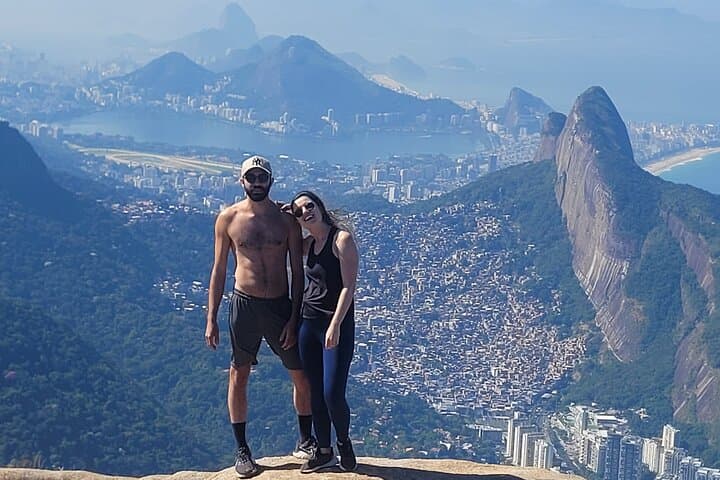
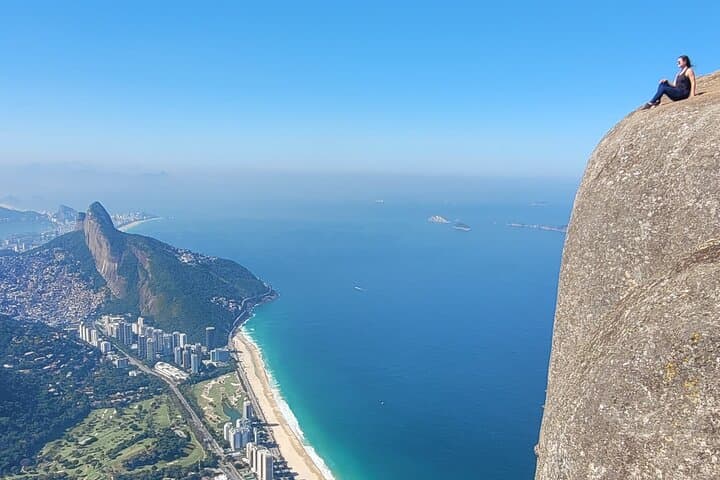
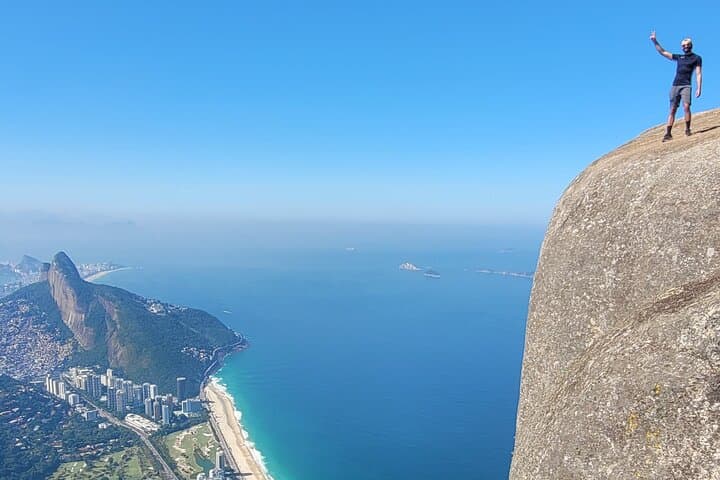
Geology here is blunt and old: a massif of granite and gneiss shaped by erosion and seismic time that now overlooks Rio’s south zone and São Conrado. The summit’s views—beaches, the bay and the sweep of Tijuca Forest—explain why the monolith became a landmark in local lore; the area also carries stories of early colonial mapping and later 19th-century reforestation that created today’s urban rainforest.
Practically, expect a strenuous 3.5 km ascent with exposed scrambling and short technical pitches that require basic rope-assisted moves; guided groups are small and the route can take the better part of a day (the operator schedules eight hours). Start early to avoid tropical afternoon storms, pack at least 2–3 liters of water, wear stiff-soled boots and gloves for rock sections, and be prepared for variable footing and sudden wind gusts on the summit. The route rewards effort with rare, sweeping panoramas of ocean and city—nature that dares you to keep climbing, and then pauses to let you absorb the view.
difficult.
8 hours.
Requires a high level of cardiovascular fitness and leg strength; frequent hikers or those with climbing/scrambling experience will find it manageable.
The itinerary is rated difficult: about 3.5 km of steep ascent with scrambling and short technical rope sections; expect 8 hours total including breaks.
No formal rock-climbing certification is needed, but comfort with exposure, basic scrambling, and following rope-assisted instructions is essential; guides provide safety equipment for technical sections.
The operator meets guests at the Meire stop inside the condominium near the trailhead; public transport options exist nearby for reaching the start.
Not recommended for children without experience, for pregnant travelers, or anyone with significant spinal or cardiovascular conditions due to exposure and physical strain.
Pedra da Gávea sits within Tijuca, an urban forest largely reforested in the 19th century to recover watershed function; the rock’s face and local names carry colonial and indigenous layers of meaning.
As part of the Tijuca Forest, the route is vulnerable to erosion and off-trail damage—stick to paths, pack out waste, and avoid feeding wildlife to reduce impact.
Boralá Rio operates guided outdoor trips and adventures with an emphasis on safety, stewardship, and memorable experiences.
The trail begins in the shadow of dense Atlantic forest, the path squeezing between roots and boulders as the city below becomes a shrinking mosaic. Wind pushes across the slope and the granite face of Pedra da Gávea looms—842 meters of rock rising directly from the forest like a challenge. Hikers move steadily upward past holm oaks and bromeliads, reach a plateau, and skirt the rock outcrop known locally as the ‘head of the emperor’ before the final rope-assisted sections.
The trail begins in the shadow of dense Atlantic forest, the path squeezing between roots and boulders as the city below becomes a shrinking mosaic. Wind pushes across the slope and the granite face of Pedra da Gávea looms—842 meters of rock rising directly from the forest like a challenge. Hikers move steadily upward past holm oaks and bromeliads, reach a plateau, and skirt the rock outcrop known locally as the ‘head of the emperor’ before the final rope-assisted sections.
Geology here is blunt and old: a massif of granite and gneiss shaped by erosion and seismic time that now overlooks Rio’s south zone and São Conrado. The summit’s views—beaches, the bay and the sweep of Tijuca Forest—explain why the monolith became a landmark in local lore; the area also carries stories of early colonial mapping and later 19th-century reforestation that created today’s urban rainforest.
Practically, expect a strenuous 3.5 km ascent with exposed scrambling and short technical pitches that require basic rope-assisted moves; guided groups are small and the route can take the better part of a day (the operator schedules eight hours). Start early to avoid tropical afternoon storms, pack at least 2–3 liters of water, wear stiff-soled boots and gloves for rock sections, and be prepared for variable footing and sudden wind gusts on the summit. The route rewards effort with rare, sweeping panoramas of ocean and city—nature that dares you to keep climbing, and then pauses to let you absorb the view.