THE ADVENTURE COLLECTIVE® · Independent discovery and booking for outdoor travel

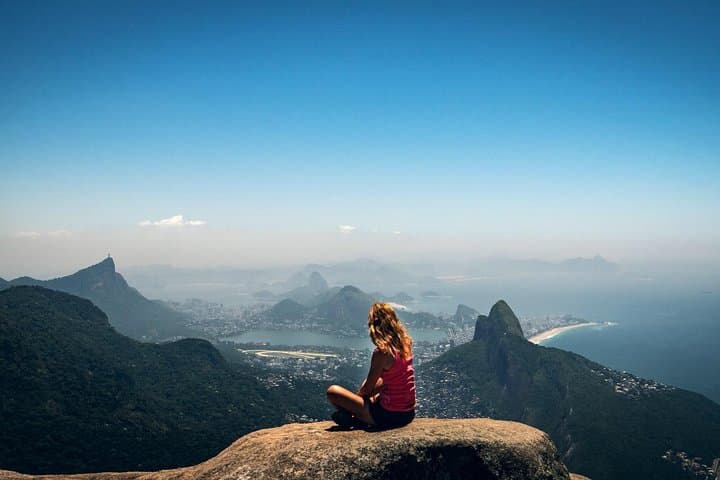
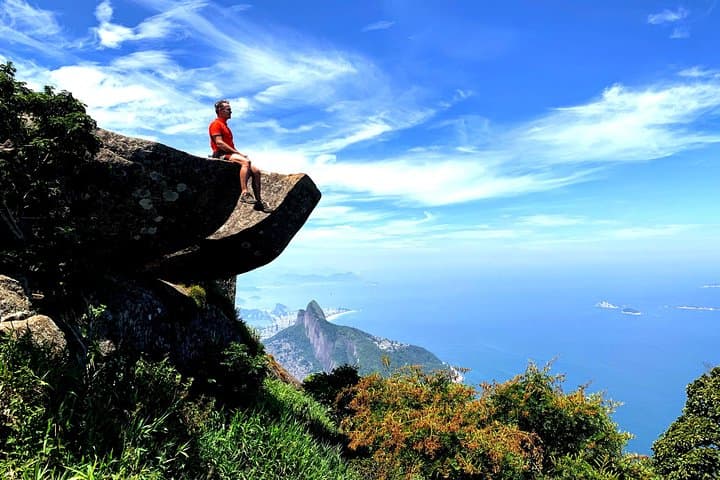
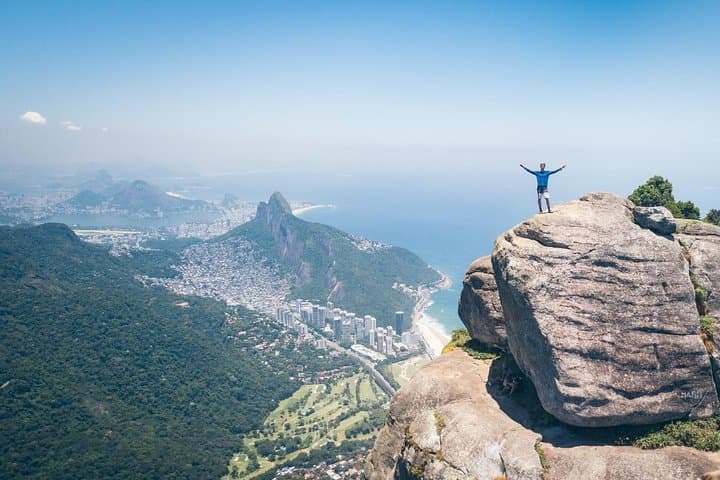
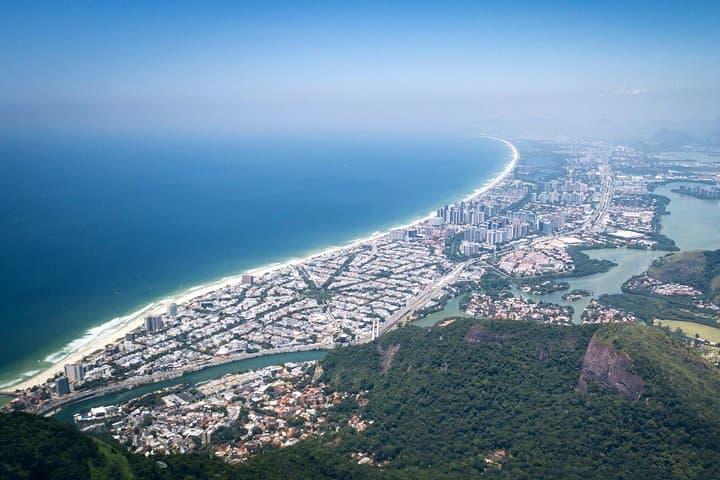
Climb one of the world’s largest coastal monoliths on a guided full-day trek up Pedra da Gávea. Expect steep rainforest trails, a technical 70-foot cliff with ropes, and panoramic views over Rio and the Atlantic.
Climb one of the world’s largest coastal monoliths on a guided full-day trek up Pedra da Gávea. Expect steep rainforest trails, a technical 70-foot cliff with ropes, and panoramic views over Rio and the Atlantic.
You push through humid Atlantic Forest, the trail tightening between ferns and ancient fig roots, and the rock of Pedra da Gávea looms above—sheer, dark, and oddly human in profile. The city and ocean slip from view as you gain contour, each bend revealing another angle of Rio's coastal spine.
Verified experiences and guided adventures in the surrounding area.
Operated by Itaway Ecotours · Rio de Janeiro, Rio de Janeiro
You push through humid Atlantic Forest, the trail tightening between ferns and ancient fig roots, and the rock of Pedra da Gávea looms above—sheer, dark, and oddly human in profile. The city and ocean slip from view as you gain contour, each bend revealing another angle of Rio's coastal spine.
Geology here is blunt and old: a granite monolith rising to about 842 meters above sea level carved by deep weathering and coastal uplift. Portuguese sailors named it for a ship’s topsail; local lore layers the cliff with disputed inscriptions and legends that add to its mystique. This section of Tijuca National Park protects remnant rainforest, where capuchin monkeys, toucans and bromeliads claim the cliff faces.
Expect steep switchbacks, exposed scrambles, and one technical section at the Carrasqueira — a 70-foot vertical face where guides attach ropes and provide certified climbing gear. The round trip is roughly 6–8 km with about 600–750 m of elevation gain; guides usually allot two hours to ascend, an hour at the summit, and a careful return.
Practically: start early for cooler air and clearer views, wear grippy hiking shoes and gloves, and bring at least 2 liters of water and sun protection. The route is physically demanding and involves exposure; guided groups limit size and supply safety equipment and instruction. Leave no trace, follow your guide’s pacing, and be ready for a raw, vertical piece of Rio that challenges fitness and rewards with one of the city’s most uncompromising panoramas.
challenging.
6–7 hours.
Requires high aerobic fitness, strong legs for sustained climbing, and comfort with exposure and scrambling.
No prior climbing experience is required; guides provide certified safety equipment and instruction for the technical Carrasqueira section.
High fitness is required—expect sustained uphill hiking and scrambling; guides may exclude or modify participation if safety is a concern.
Public transportation and transfers are available nearby, but confirm pickup options when booking and plan for morning traffic delays.
Common sightings include capuchin monkeys and toucans; sloths and other forest species occur but are less predictable.
Pedra da Gávea sits within Tijuca National Park and has long been a landmark for sailors; local folklore includes debated inscriptions and pre-Columbian myths that add to its cultural allure.
The massif is protected as part of Tijuca National Park—stay on marked trails, pack out waste, and respect limited group sizes to reduce erosion and disturbance.
Itaway Ecotours operates guided outdoor trips and adventures with an emphasis on safety, stewardship, and memorable experiences.
You push through humid Atlantic Forest, the trail tightening between ferns and ancient fig roots, and the rock of Pedra da Gávea looms above—sheer, dark, and oddly human in profile. The city and ocean slip from view as you gain contour, each bend revealing another angle of Rio's coastal spine.
You push through humid Atlantic Forest, the trail tightening between ferns and ancient fig roots, and the rock of Pedra da Gávea looms above—sheer, dark, and oddly human in profile. The city and ocean slip from view as you gain contour, each bend revealing another angle of Rio's coastal spine.
Geology here is blunt and old: a granite monolith rising to about 842 meters above sea level carved by deep weathering and coastal uplift. Portuguese sailors named it for a ship’s topsail; local lore layers the cliff with disputed inscriptions and legends that add to its mystique. This section of Tijuca National Park protects remnant rainforest, where capuchin monkeys, toucans and bromeliads claim the cliff faces.
Expect steep switchbacks, exposed scrambles, and one technical section at the Carrasqueira — a 70-foot vertical face where guides attach ropes and provide certified climbing gear. The round trip is roughly 6–8 km with about 600–750 m of elevation gain; guides usually allot two hours to ascend, an hour at the summit, and a careful return.
Practically: start early for cooler air and clearer views, wear grippy hiking shoes and gloves, and bring at least 2 liters of water and sun protection. The route is physically demanding and involves exposure; guided groups limit size and supply safety equipment and instruction. Leave no trace, follow your guide’s pacing, and be ready for a raw, vertical piece of Rio that challenges fitness and rewards with one of the city’s most uncompromising panoramas.