THE ADVENTURE COLLECTIVE® · Independent discovery and booking for outdoor travel

Tackle one of Rio’s most demanding urban hikes: a full‑day scramble up Pedra da Gávea through Tijuca National Park with rope‑assisted sections and local guides. Expect steep terrain, harnessed climbs, and panoramic views over the city and ocean.
Tackle one of Rio’s most demanding urban hikes: a full‑day scramble up Pedra da Gávea through Tijuca National Park with rope‑assisted sections and local guides. Expect steep terrain, harnessed climbs, and panoramic views over the city and ocean.
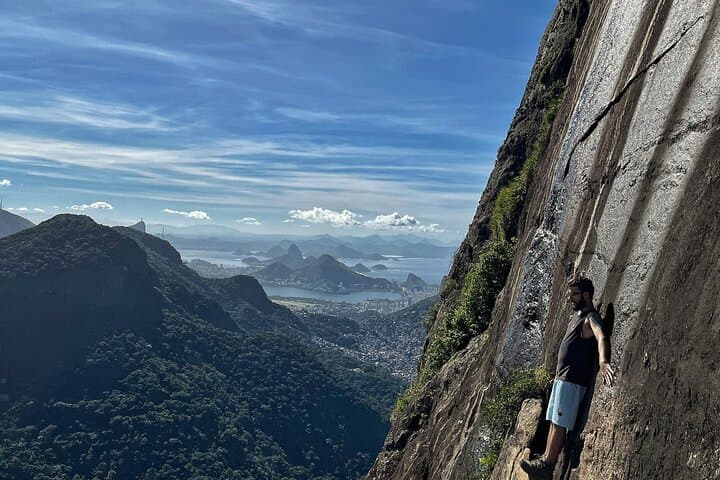
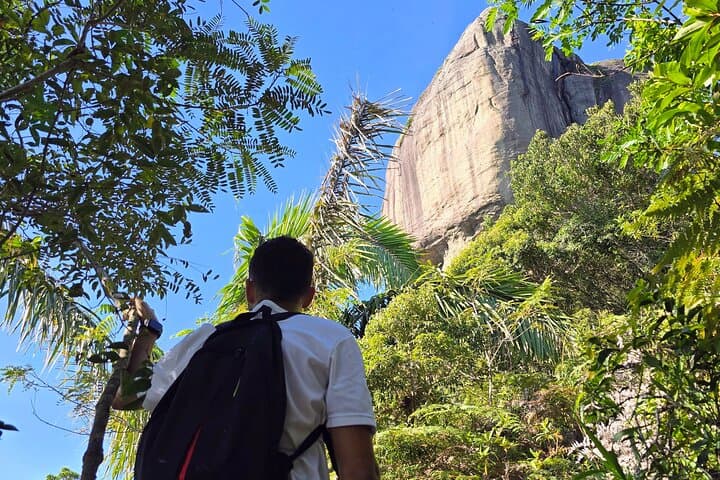
You start before sunrise, the city lights of Rio dimming behind you as the Atlantic breeze pushes a cool edge through Tijuca National Park. The trail climbs steeply, trading cement for root-strewn soil, then for bare rock where hands and feet pick a route. The forest here feels deliberate — trees lean like old guides, and the ocean below dares you to look away.
Verified experiences and guided adventures in the surrounding area.
Operated by Experience Rio · Rio de Janeiro, Rio de Janeiro
You start before sunrise, the city lights of Rio dimming behind you as the Atlantic breeze pushes a cool edge through Tijuca National Park. The trail climbs steeply, trading cement for root-strewn soil, then for bare rock where hands and feet pick a route. The forest here feels deliberate — trees lean like old guides, and the ocean below dares you to look away.
Pedra da Gávea is an 842‑meter granite monolith carved by tectonics and time; its face has been a landmark for sailors and a challenge for climbers since colonial days. The route threads primary Atlantic Forest, a regenerated urban wilderness that was replanted in the 19th century after widespread clearing. Local guides link geology to culture, pointing out endemic plants used in traditional remedies and telling the park’s recovery story.
Expect long steeps, technical scrambles, and two short assisted climbs where guides fit you into harnesses and run safety ropes. Wildlife — marmosets, toucans and hummingbirds — watch from the canopy while the city spreads below.
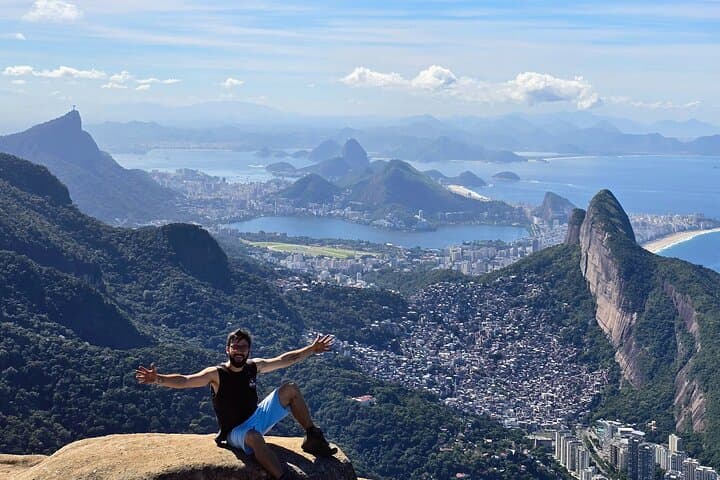
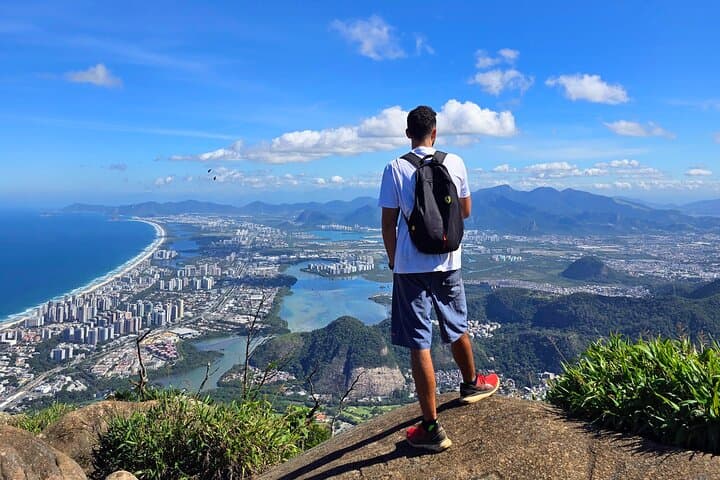
Practicalities: this is a full‑day outing (roughly 6–8 hours) for fit hikers; the operator provides harnesses, ropes, and door‑to‑door transport in air‑conditioned vehicles. Carry 2–3 L water, layered clothing for wind at the summit, grippy hiking boots, and light gloves for rock sections. Start early to avoid midday heat and afternoon rain; guides will monitor conditions and can cancel for safety. On clear days, the summit rewards you with sweeping views of São Conrado, Leblon and the open ocean — a view earned by focused effort and careful footing.
challenging.
6–8 hours.
You should have strong cardiovascular fitness and experience with steep day hikes and scrambling; good balance and leg strength are important.
This is challenging: steep trails, exposed scrambles and two short assisted climbs require comfort with heights and basic scrambling; hire a guide and be honest about your limits.
Yes — guides provide and use harnesses, ropes and basic protective equipment for the assisted sections of the route.
Private, air‑conditioned pickup and drop‑off are included in the tour price as stated by the operator.
Guides monitor conditions and will cancel in heavy rain or unstable weather due to slippery rock and lightning risk; cancellation policies typically allow refunds if made 24 hours prior.
Tijuca National Park is one of the world’s largest urban forests; much of the forest was replanted in the 19th century after agricultural clearing, shaping the park you hike today.
Stay on established trails to limit erosion on fragile granite and avoid disturbing wildlife; guided groups help minimize impact and support local cleanup efforts.
Experience Rio operates guided outdoor trips and adventures with an emphasis on safety, stewardship, and memorable experiences.
You start before sunrise, the city lights of Rio dimming behind you as the Atlantic breeze pushes a cool edge through Tijuca National Park. The trail climbs steeply, trading cement for root-strewn soil, then for bare rock where hands and feet pick a route. The forest here feels deliberate — trees lean like old guides, and the ocean below dares you to look away.
You start before sunrise, the city lights of Rio dimming behind you as the Atlantic breeze pushes a cool edge through Tijuca National Park. The trail climbs steeply, trading cement for root-strewn soil, then for bare rock where hands and feet pick a route. The forest here feels deliberate — trees lean like old guides, and the ocean below dares you to look away.
Pedra da Gávea is an 842‑meter granite monolith carved by tectonics and time; its face has been a landmark for sailors and a challenge for climbers since colonial days. The route threads primary Atlantic Forest, a regenerated urban wilderness that was replanted in the 19th century after widespread clearing. Local guides link geology to culture, pointing out endemic plants used in traditional remedies and telling the park’s recovery story.
Expect long steeps, technical scrambles, and two short assisted climbs where guides fit you into harnesses and run safety ropes. Wildlife — marmosets, toucans and hummingbirds — watch from the canopy while the city spreads below.
Practicalities: this is a full‑day outing (roughly 6–8 hours) for fit hikers; the operator provides harnesses, ropes, and door‑to‑door transport in air‑conditioned vehicles. Carry 2–3 L water, layered clothing for wind at the summit, grippy hiking boots, and light gloves for rock sections. Start early to avoid midday heat and afternoon rain; guides will monitor conditions and can cancel for safety. On clear days, the summit rewards you with sweeping views of São Conrado, Leblon and the open ocean — a view earned by focused effort and careful footing.