THE ADVENTURE COLLECTIVE® · Independent discovery and booking for outdoor travel

A short, accessible hike inside Tijuca National Park that rewards hikers with sweeping 360° views of Rio’s beaches, Christ the Redeemer in the distance, and hang gliders launching into the Atlantic thermals. Ideal as a morning outing paired with a city transfer.
A short, accessible hike inside Tijuca National Park that rewards hikers with sweeping 360° views of Rio’s beaches, Christ the Redeemer in the distance, and hang gliders launching into the Atlantic thermals. Ideal as a morning outing paired with a city transfer.
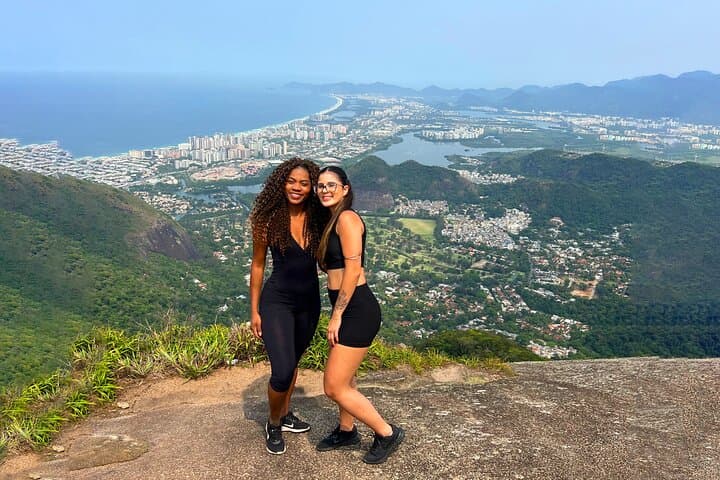
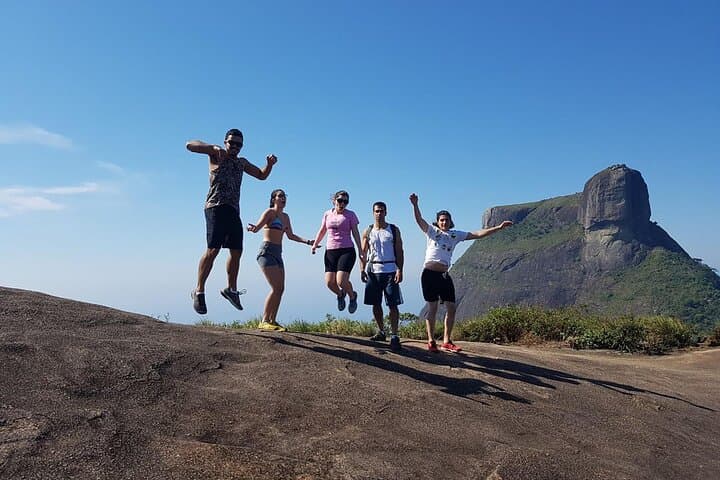
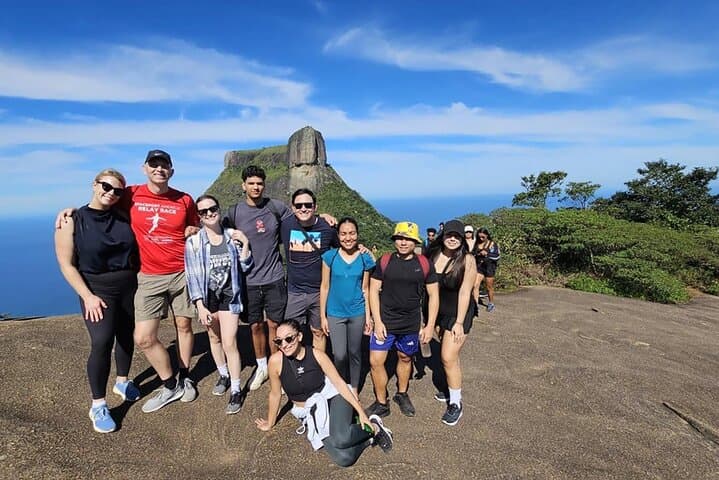
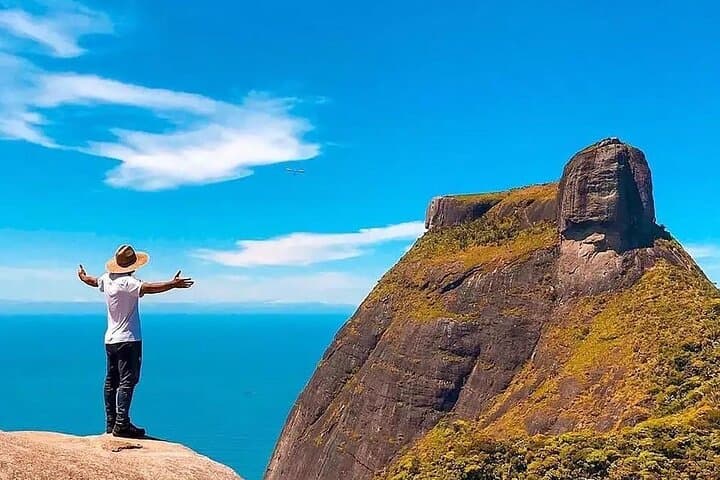
You push through a green corridor and the forest exhales—moist air, birdsong, the distant roar of surf. The path climbs through Atlantic Forest canopy, folding upward until the city unwraps below: Ipanema’s curve, the pale strip of São Conrado, and the sculpted bulk of Pedra da Gávea across the bay. Hang gliders cut into the sky like bright leaves, taking off from the summit’s launch ledge and daring the ocean’s thermals.
Verified experiences and guided adventures in the surrounding area.
Operated by AGENCY TRAVEL RBP · Rio de Janeiro, Rio de Janeiro
You push through a green corridor and the forest exhales—moist air, birdsong, the distant roar of surf. The path climbs through Atlantic Forest canopy, folding upward until the city unwraps below: Ipanema’s curve, the pale strip of São Conrado, and the sculpted bulk of Pedra da Gávea across the bay. Hang gliders cut into the sky like bright leaves, taking off from the summit’s launch ledge and daring the ocean’s thermals.
Geologically, Pedra Bonita is part of Rio’s coastal granite uplands—an exposed massif that rises to roughly 696 meters. The mountain sits inside Tijuca National Park, an early 19th-century reforestation success that saved the city’s watershed and created the urban forest you walk today. Culturally the site splits city life and wild: local vendors at the trailhead, favelas clinging to nearby slopes, and weekend cariocas who come for fresh air and flight watching.
Practically, expect a moderate trail of forested singletrack and rocky steps—roughly 40–80 minutes one way depending on pace. The summit offers clear 360° panoramas on good days; early mornings give cooler temps and crisper views. Bring sturdy shoes for uneven rock, sun protection for exposed viewpoints, and water—the climb can tighten your breathing and the sun will press like a hand on the back of your neck. Weather moves fast in the hills; if clouds close in visibility drops and winds rise, so plan for flexibility. Public transport reaches nearby neighborhoods and many tours include air-conditioned transfer, making this short but complete Rio adventure easy to add to a day of city exploration.
moderate.
1–2 hours (round trip).
Suitable for reasonably active visitors who can handle steady uphill walking and short rocky sections
The walk to the summit typically takes 40–80 minutes one way depending on fitness and stops; plan 1–2 hours round trip.
Yes—it's rated moderate and suitable for most people with basic fitness; expect some rocky steps and short steeper sections.
There are nearby roads and limited parking; many visitors use public transport to São Conrado or book a transfer included in tours.
Yes—Pedra Bonita is a popular hang-gliding and paragliding launch site; on clear days you’ll often see sorties from the summit.
Pedra Bonita sits within Tijuca National Park, an early reforestation project that recovered forest cover and protected Rio’s water supply in the 19th century.
Stick to marked paths to protect fragile understory; the park relies on visitor stewardship to minimize erosion and waste.
AGENCY TRAVEL RBP operates guided outdoor trips and adventures with an emphasis on safety, stewardship, and memorable experiences.
You push through a green corridor and the forest exhales—moist air, birdsong, the distant roar of surf. The path climbs through Atlantic Forest canopy, folding upward until the city unwraps below: Ipanema’s curve, the pale strip of São Conrado, and the sculpted bulk of Pedra da Gávea across the bay. Hang gliders cut into the sky like bright leaves, taking off from the summit’s launch ledge and daring the ocean’s thermals.
You push through a green corridor and the forest exhales—moist air, birdsong, the distant roar of surf. The path climbs through Atlantic Forest canopy, folding upward until the city unwraps below: Ipanema’s curve, the pale strip of São Conrado, and the sculpted bulk of Pedra da Gávea across the bay. Hang gliders cut into the sky like bright leaves, taking off from the summit’s launch ledge and daring the ocean’s thermals.
Geologically, Pedra Bonita is part of Rio’s coastal granite uplands—an exposed massif that rises to roughly 696 meters. The mountain sits inside Tijuca National Park, an early 19th-century reforestation success that saved the city’s watershed and created the urban forest you walk today. Culturally the site splits city life and wild: local vendors at the trailhead, favelas clinging to nearby slopes, and weekend cariocas who come for fresh air and flight watching.
Practically, expect a moderate trail of forested singletrack and rocky steps—roughly 40–80 minutes one way depending on pace. The summit offers clear 360° panoramas on good days; early mornings give cooler temps and crisper views. Bring sturdy shoes for uneven rock, sun protection for exposed viewpoints, and water—the climb can tighten your breathing and the sun will press like a hand on the back of your neck. Weather moves fast in the hills; if clouds close in visibility drops and winds rise, so plan for flexibility. Public transport reaches nearby neighborhoods and many tours include air-conditioned transfer, making this short but complete Rio adventure easy to add to a day of city exploration.