THE ADVENTURE COLLECTIVE® · Independent discovery and booking for outdoor travel

See Dakar by bike on a private 3–4 hour tour that links the Corniche, Place de l'Indépendance, the Pan-African Museum and colonial architecture. A bilingual guide adapts the route for photos, museum time and local snacks.
See Dakar by bike on a private 3–4 hour tour that links the Corniche, Place de l'Indépendance, the Pan-African Museum and colonial architecture. A bilingual guide adapts the route for photos, museum time and local snacks.
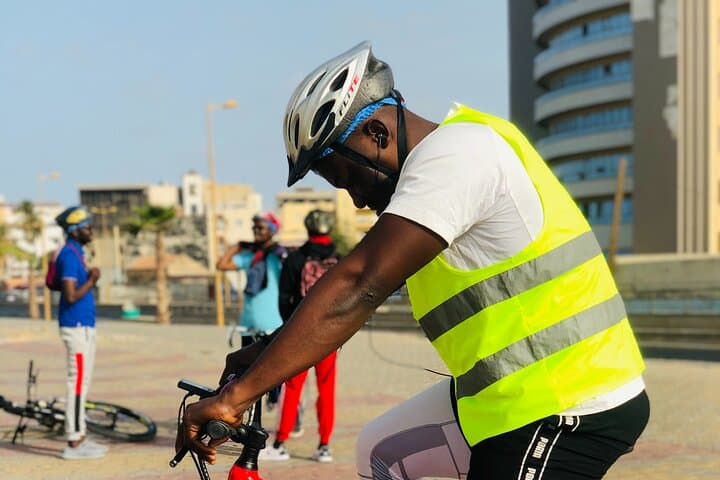
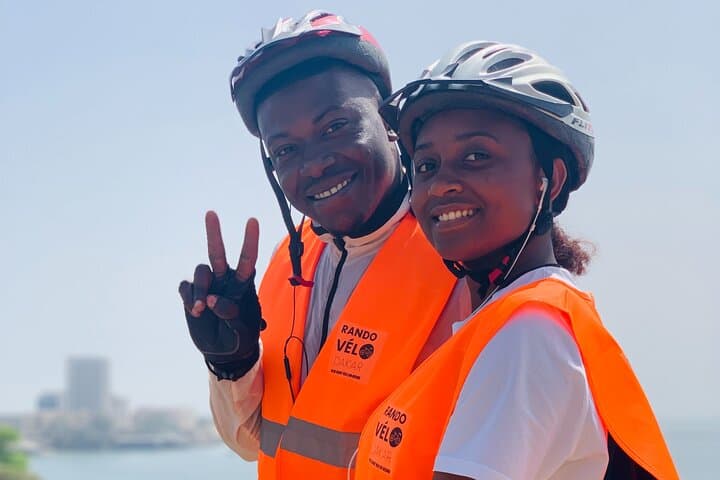
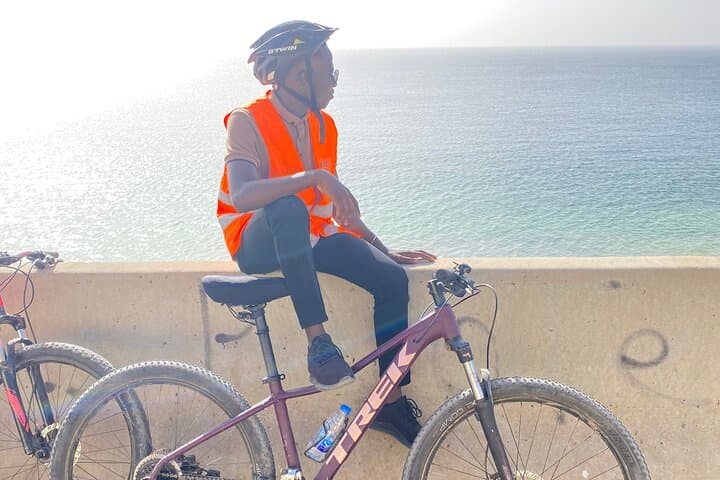
Morning light cuts across the Corniche as tires whisper on warm asphalt and the Atlantic dares you to look past the city’s skyline. Riders peel away from the bustle, guided along broad avenues toward the Porte du Troisième Millénaire, then thread through colonial façades to find the place where Dakar’s history meets its present.
Verified experiences and guided adventures in the surrounding area.
Operated by InstaBike Senegal · Dakar, Dakar Region
Morning light cuts across the Corniche as tires whisper on warm asphalt and the Atlantic dares you to look past the city’s skyline. Riders peel away from the bustle, guided along broad avenues toward the Porte du Troisième Millénaire, then thread through colonial façades to find the place where Dakar’s history meets its present.
This route stitches together key cultural and civic sites: Place de l’Indépendance with its grand colonial architecture, the Biennale exhibition spaces, and the modern form of the Musée des Civilisations Noires—a building inspired by Casamance impluvium huts and Great Zimbabwe. Geologically, Dakar sits on the Cap-Vert peninsula, a compact volcanic headland that gives the coastline abrupt, wind-sculpted cliffs and long Atlantic exposures. The city’s culture is defined by Teranga—Senegalese hospitality expressed in Wolof and French—and a tempo shaped by markets, fishermen and the steady pull of the sea.
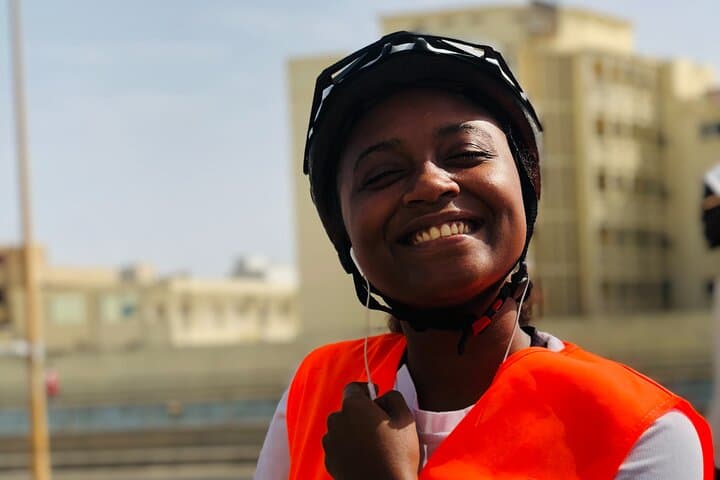
Practical side: this private 3–4 hour ride covers mostly flat, paved streets with short stops for photos and museum touring. Expect urban traffic, market crowds and stretches of breeze along the waterfront that will push at your pace. Guides can adapt the itinerary, provide helmets and bikes, and include light snacks. Bring sunscreen, a refillable water bottle, and a small amount of cash for market purchases.
Whether you want a relaxed cultural spin or an energetic urban circuit, this classic Dakar ride delivers a compact, readable slice of the city—historic monuments, seaside exposure and museum time—without technical demand but with plenty of local texture.
easy.
3–4 hours.
Suitable for most fitness levels; basic cycling competence and ability to ride on city roads required
The private tour lasts about 3–4 hours and covers a mostly flat urban route—typically 10–20 kilometers depending on stops and customizations.
Yes—it's rated easy and suitable for riders with basic bike handling skills; confirm age and helmet requirements with the operator.
The itinerary includes a visit to the Pan-African Museum; admission details may vary—your local guide can advise on tickets and timing.
Guides are available in French and English; confirm language preference when booking for a private experience.
Dakar’s urban core grew under French colonial administration; Place de l'Indépendance and surrounding buildings reflect that era, while modern landmarks mark Senegal’s post-independence cultural identity.
The coastline is sensitive to erosion and litter; riders are encouraged to avoid single-use plastics and to support local beach-cleanup or community initiatives when possible.
InstaBike Senegal operates guided outdoor trips and adventures with an emphasis on safety, stewardship, and memorable experiences.
Morning light cuts across the Corniche as tires whisper on warm asphalt and the Atlantic dares you to look past the city’s skyline. Riders peel away from the bustle, guided along broad avenues toward the Porte du Troisième Millénaire, then thread through colonial façades to find the place where Dakar’s history meets its present.
Morning light cuts across the Corniche as tires whisper on warm asphalt and the Atlantic dares you to look past the city’s skyline. Riders peel away from the bustle, guided along broad avenues toward the Porte du Troisième Millénaire, then thread through colonial façades to find the place where Dakar’s history meets its present.
This route stitches together key cultural and civic sites: Place de l’Indépendance with its grand colonial architecture, the Biennale exhibition spaces, and the modern form of the Musée des Civilisations Noires—a building inspired by Casamance impluvium huts and Great Zimbabwe. Geologically, Dakar sits on the Cap-Vert peninsula, a compact volcanic headland that gives the coastline abrupt, wind-sculpted cliffs and long Atlantic exposures. The city’s culture is defined by Teranga—Senegalese hospitality expressed in Wolof and French—and a tempo shaped by markets, fishermen and the steady pull of the sea.
Practical side: this private 3–4 hour ride covers mostly flat, paved streets with short stops for photos and museum touring. Expect urban traffic, market crowds and stretches of breeze along the waterfront that will push at your pace. Guides can adapt the itinerary, provide helmets and bikes, and include light snacks. Bring sunscreen, a refillable water bottle, and a small amount of cash for market purchases.
Whether you want a relaxed cultural spin or an energetic urban circuit, this classic Dakar ride delivers a compact, readable slice of the city—historic monuments, seaside exposure and museum time—without technical demand but with plenty of local texture.