THE ADVENTURE COLLECTIVE® · Independent discovery and booking for outdoor travel

Cover Kyoto at your own pace on an all-day city cycle from a shop minutes from Shijo Karasuma Station. Expect flat streets, canal-side lanes, and easy access to temples, markets, and riverside alleys.
Cover Kyoto at your own pace on an all-day city cycle from a shop minutes from Shijo Karasuma Station. Expect flat streets, canal-side lanes, and easy access to temples, markets, and riverside alleys.
You push off from the shop a seven-minute walk from Shijo Karasuma Station and the city unfolds like a map you can feel under your tires. Morning light slants across wooden machiya, the Kamo River hums against stone banks, and the air carries the scent of grilled fish from a breakfast stall. Cycling here turns commute lanes into a living museum: narrow alleyways, low temple eaves, and the occasional rattle of a tram remind you this city moves at both a slow and steady pace.
Verified experiences and guided adventures in the surrounding area.
Operated by 京都レンタルサイクル · Kyoto, Kyoto Prefecture
You push off from the shop a seven-minute walk from Shijo Karasuma Station and the city unfolds like a map you can feel under your tires. Morning light slants across wooden machiya, the Kamo River hums against stone banks, and the air carries the scent of grilled fish from a breakfast stall. Cycling here turns commute lanes into a living museum: narrow alleyways, low temple eaves, and the occasional rattle of a tram remind you this city moves at both a slow and steady pace.
Kyoto’s street grid reflects centuries of imperial planning, carved into the flat basin framed by low hills. Geology matters here — the basin’s gentle slopes funnel the rivers that once powered canals and merchants. Culturally, the route threads tea houses, craft shops, and lantern-lit Pontocho, so every corner reads like a page of local history.
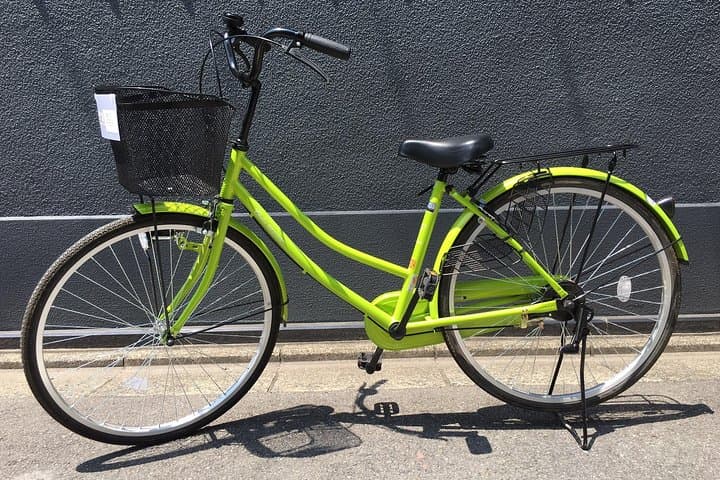
Practicality rules the rest of the day. This is an unstructured, full-day (8-hour) bike rental with a refundable 3,000-yen cash deposit and paper-ticket entry; you set the pace and sights. Expect flat urban terrain, frequent stops for photos or shopping, and tight pedestrian streets where you’ll yield often. The operator provides bicycles suitable for casual riders and offers infant seats and wheelchair-accessible options, but cycling isn’t recommended for people with serious back or heart conditions.
Plan to carry water, a compact lock, and a lightweight rain layer for sudden showers. Ride defensively, follow Japanese traffic rules, and pick quieter side streets during lunch and evening rush to savor quieter moments along canals and shrine approaches. This is city exploration by muscle power — immediate, slow enough to notice, and open to discovery.
easy.
8 hours.
Suitable for casual cyclists and travelers in general good health; expect frequent stops rather than strenuous exertion.
The deposit is taken in cash at pickup and refunded in full when you return the bicycle in the same condition.
Yes—this experience accepts paper tickets only, so bring your printed voucher to the shop.
Check with the shop on arrival; many operators provide helmets but bringing your own assures fit and comfort.
The shop lists wheelchair-accessible surfaces and transportation; request specific accommodations in advance to confirm availability.
Kyoto was Japan’s imperial capital for over a millennium; its grid-like streets and canal networks date to Heian-period planning and later merchant-era modifications.
Respect narrow streets and shrine grounds by parking at designated racks, avoid locking to trees or railings, and limit single-use plastics by refilling bottles.
京都レンタルサイクル operates guided outdoor trips and adventures with an emphasis on safety, stewardship, and memorable experiences.
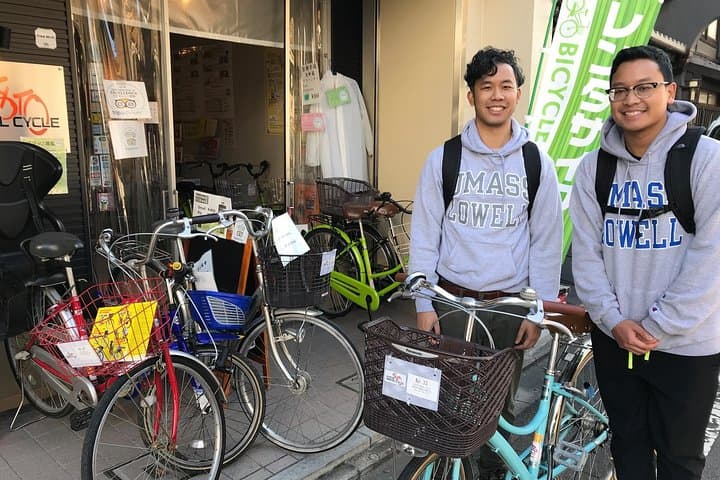
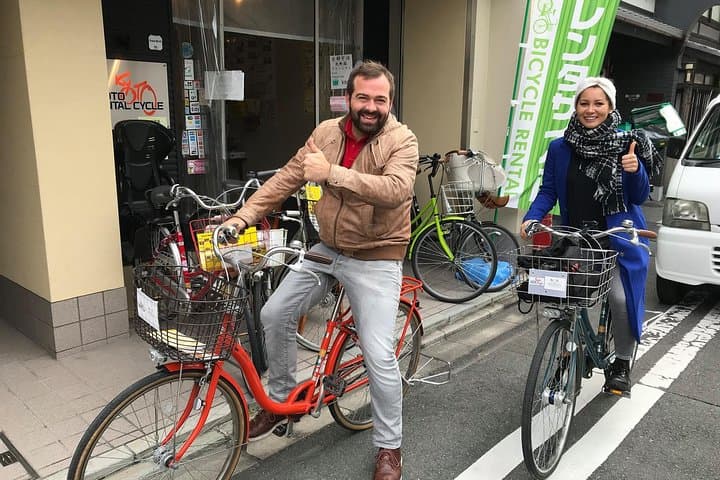
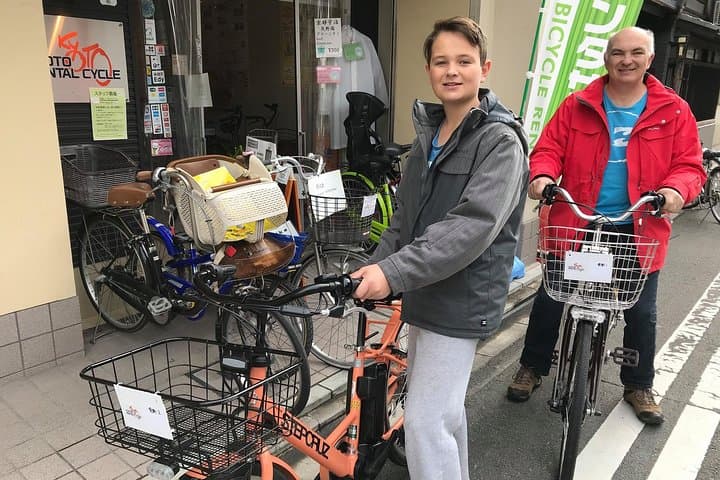
You push off from the shop a seven-minute walk from Shijo Karasuma Station and the city unfolds like a map you can feel under your tires. Morning light slants across wooden machiya, the Kamo River hums against stone banks, and the air carries the scent of grilled fish from a breakfast stall. Cycling here turns commute lanes into a living museum: narrow alleyways, low temple eaves, and the occasional rattle of a tram remind you this city moves at both a slow and steady pace.
You push off from the shop a seven-minute walk from Shijo Karasuma Station and the city unfolds like a map you can feel under your tires. Morning light slants across wooden machiya, the Kamo River hums against stone banks, and the air carries the scent of grilled fish from a breakfast stall. Cycling here turns commute lanes into a living museum: narrow alleyways, low temple eaves, and the occasional rattle of a tram remind you this city moves at both a slow and steady pace.
Kyoto’s street grid reflects centuries of imperial planning, carved into the flat basin framed by low hills. Geology matters here — the basin’s gentle slopes funnel the rivers that once powered canals and merchants. Culturally, the route threads tea houses, craft shops, and lantern-lit Pontocho, so every corner reads like a page of local history.
Practicality rules the rest of the day. This is an unstructured, full-day (8-hour) bike rental with a refundable 3,000-yen cash deposit and paper-ticket entry; you set the pace and sights. Expect flat urban terrain, frequent stops for photos or shopping, and tight pedestrian streets where you’ll yield often. The operator provides bicycles suitable for casual riders and offers infant seats and wheelchair-accessible options, but cycling isn’t recommended for people with serious back or heart conditions.
Plan to carry water, a compact lock, and a lightweight rain layer for sudden showers. Ride defensively, follow Japanese traffic rules, and pick quieter side streets during lunch and evening rush to savor quieter moments along canals and shrine approaches. This is city exploration by muscle power — immediate, slow enough to notice, and open to discovery.