THE ADVENTURE COLLECTIVE® · Independent discovery and booking for outdoor travel

Ride through Beijing’s narrow hutongs, make dumplings with a local family, then step into the vast halls of the Forbidden City. This full-day private tour blends easy urban cycling, hands-on food culture, and Imperial history—perfect for travelers who want a paced cultural immersion.
Ride through Beijing’s narrow hutongs, make dumplings with a local family, then step into the vast halls of the Forbidden City. This full-day private tour blends easy urban cycling, hands-on food culture, and Imperial history—perfect for travelers who want a paced cultural immersion.
Morning light slices between narrow hutong walls as your guide leads you out of the hotel and onto a borrowed city bike. The streets here are a living map: courtyard entrances, bicycles stacked against brick, and Houhai’s placid water daring you to pause. You’ll pedal past people doing tai chi, vendors shaping dough, and the steady toll of the Drum Tower, all before sitting down in a local home to fold dumplings with a housewife who shows how routine becomes ritual.
Verified experiences and guided adventures in the surrounding area.
Operated by China Kongfu Panda tour · Beijing, Beijing
Morning light slices between narrow hutong walls as your guide leads you out of the hotel and onto a borrowed city bike. The streets here are a living map: courtyard entrances, bicycles stacked against brick, and Houhai’s placid water daring you to pause. You’ll pedal past people doing tai chi, vendors shaping dough, and the steady toll of the Drum Tower, all before sitting down in a local home to fold dumplings with a housewife who shows how routine becomes ritual.
Hutongs are centuries-old alleyways that grew up around the Yuan, Ming and Qing capitals; their courtyards (siheyuan) reflect Beijing’s social history. The Forbidden City — the imperial heart constructed in the 15th century — contrasts with these intimate lanes: vast courtyards, ceremonial halls, and intricate rooflines stretching across a flat North China Plain shaped by millennia of sediment rather than alpine drama.
Practical: the tour’s morning leg is roughly an hour of easy urban cycling with stops for markets, temples and lakeside views; plan for an eight-hour day total including transport to Tiananmen Square and the Forbidden City. Entrance to the Palace requires passport details and advance booking (often 7–10 days), so have your documents ready. Wear comfortable shoes for short walks and a light layer for sudden breeze off Houhai. Bring a reusable water bottle, a small daypack for cameras and any purchases, and a credit card or cash for snacks and souvenirs.
This is a cultural ride first and an urban cycle second — expect friendly interaction, easy pace, and a mix of sensory city life and Imperial history.
easy.
6–8 hours.
Suitable for most travelers with basic cycling and walking ability; expect one hour of riding and several short on-foot segments.
Yes—Forbidden City tickets must be booked ahead and require full passport name, nationality and passport number.
About an hour of easy urban cycling around the hutongs and along Houhai, with frequent stops; most walking is short distances.
Yes—the route is flat and on low-traffic streets; basic bike handling is sufficient and the guide adjusts pace for comfort.
Yes—note dietary restrictions when booking so the host can adapt the dumpling filling and lunch options.
Hutongs and siheyuan developed over centuries as courtyard-based neighborhoods for imperial officials and commoners; the Forbidden City served as Ming and Qing dynasty imperial palace from the 15th to early 20th century.
High visitor numbers strain narrow hutongs and historic buildings—stay on designated paths, avoid touching fragile woodwork, and minimize single-use plastics in local homes and markets.
China Kongfu Panda tour operates guided outdoor trips and adventures with an emphasis on safety, stewardship, and memorable experiences.
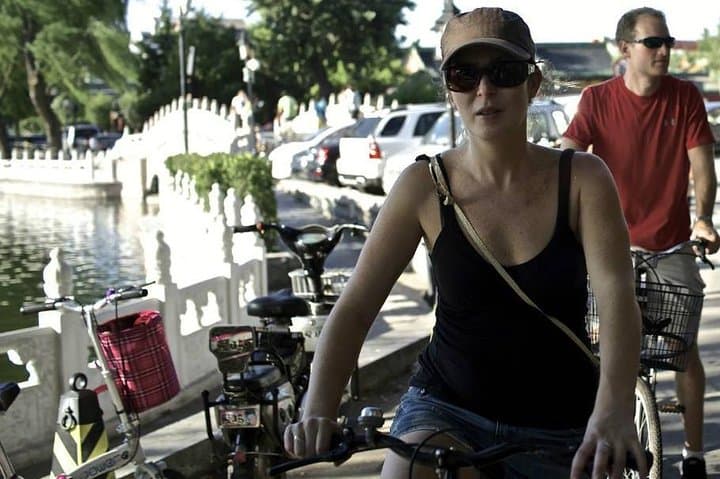
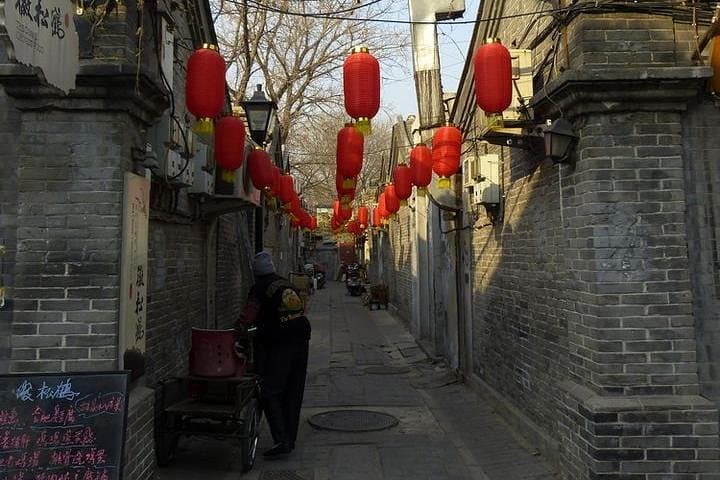
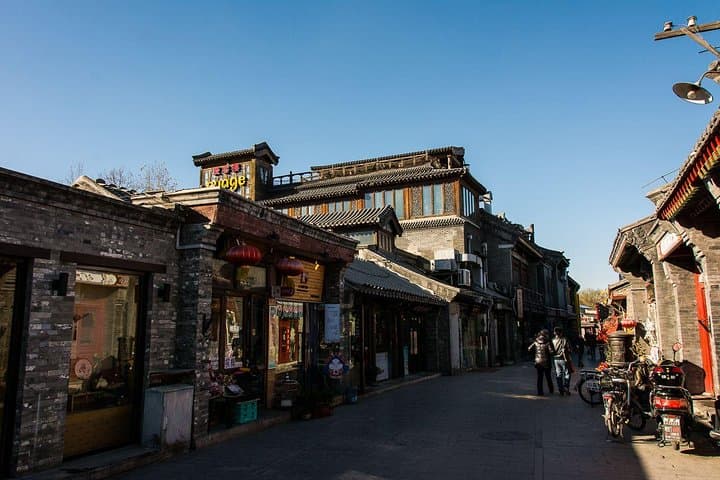
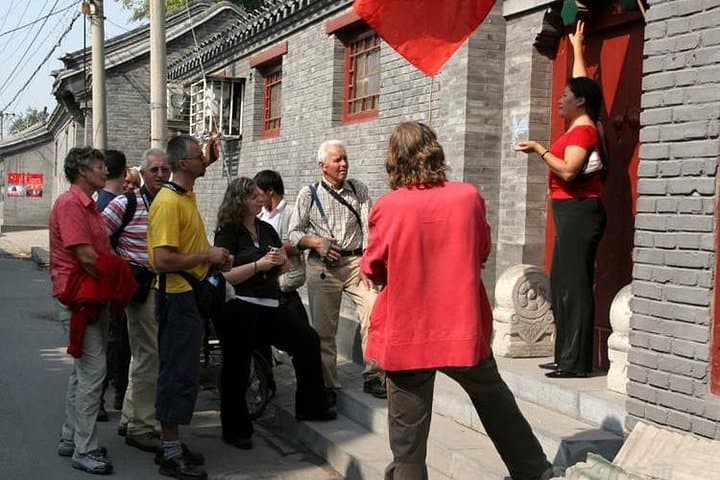
Morning light slices between narrow hutong walls as your guide leads you out of the hotel and onto a borrowed city bike. The streets here are a living map: courtyard entrances, bicycles stacked against brick, and Houhai’s placid water daring you to pause. You’ll pedal past people doing tai chi, vendors shaping dough, and the steady toll of the Drum Tower, all before sitting down in a local home to fold dumplings with a housewife who shows how routine becomes ritual.
Morning light slices between narrow hutong walls as your guide leads you out of the hotel and onto a borrowed city bike. The streets here are a living map: courtyard entrances, bicycles stacked against brick, and Houhai’s placid water daring you to pause. You’ll pedal past people doing tai chi, vendors shaping dough, and the steady toll of the Drum Tower, all before sitting down in a local home to fold dumplings with a housewife who shows how routine becomes ritual.
Hutongs are centuries-old alleyways that grew up around the Yuan, Ming and Qing capitals; their courtyards (siheyuan) reflect Beijing’s social history. The Forbidden City — the imperial heart constructed in the 15th century — contrasts with these intimate lanes: vast courtyards, ceremonial halls, and intricate rooflines stretching across a flat North China Plain shaped by millennia of sediment rather than alpine drama.
Practical: the tour’s morning leg is roughly an hour of easy urban cycling with stops for markets, temples and lakeside views; plan for an eight-hour day total including transport to Tiananmen Square and the Forbidden City. Entrance to the Palace requires passport details and advance booking (often 7–10 days), so have your documents ready. Wear comfortable shoes for short walks and a light layer for sudden breeze off Houhai. Bring a reusable water bottle, a small daypack for cameras and any purchases, and a credit card or cash for snacks and souvenirs.
This is a cultural ride first and an urban cycle second — expect friendly interaction, easy pace, and a mix of sensory city life and Imperial history.