THE ADVENTURE COLLECTIVE® · Independent discovery and booking for outdoor travel

Explore a less-visited side of Nara by bike and on foot: Edo-period streets, family sake breweries, Kashihara Jingu, and monumental burial mounds await. This guided tour mixes gentle cycling with short walks and local tastings for a full-day cultural ride.
Explore a less-visited side of Nara by bike and on foot: Edo-period streets, family sake breweries, Kashihara Jingu, and monumental burial mounds await. This guided tour mixes gentle cycling with short walks and local tastings for a full-day cultural ride.
Morning light slides across rice paddies and narrow lanes as riders clip in and walkers fall into the quiet rhythm of Asuka.
Verified experiences and guided adventures in the surrounding area.
Operated by Trip Designer Inc. · Asuka, Nara Prefecture
Morning light slides across rice paddies and narrow lanes as riders clip in and walkers fall into the quiet rhythm of Asuka.
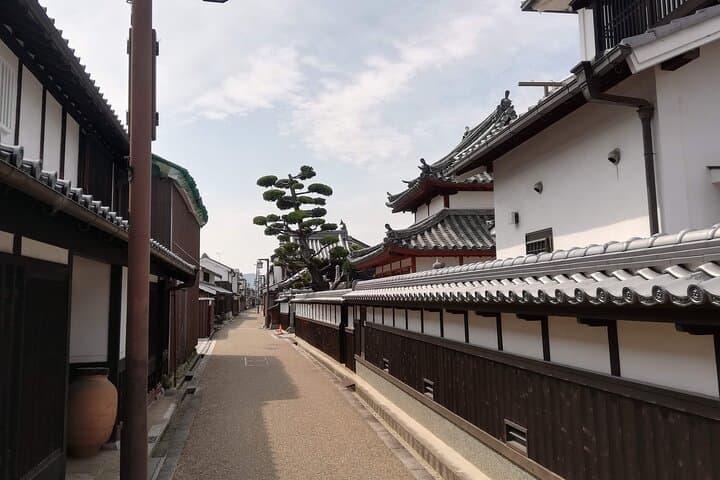
The day begins in Imaicho’s preserved merchant streets—more than 500 Edo-period buildings that feel lived-in rather than staged—before a short train hop to Kashihara Jingu, the modern shrine marking the mythical accession site of Emperor Jimmu (660 BC). The ride threads low, rolling farmland and farm lanes where volcanic tuff and ancient quarries shape small outcrops and stone markers.
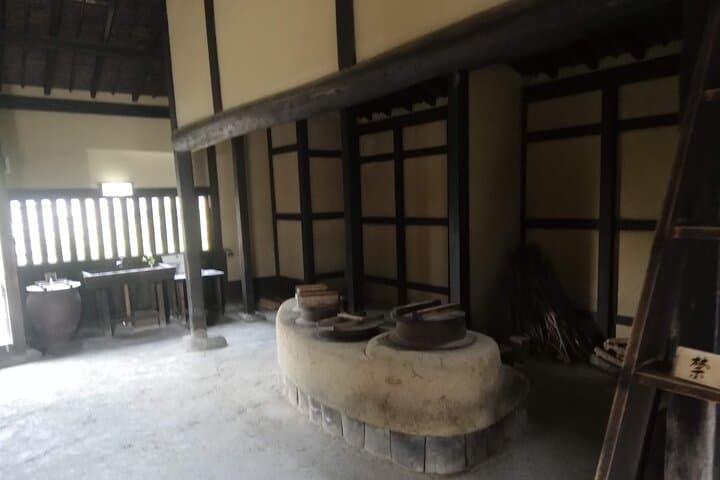
History here is tactile: the massive stones of Ishibutai Kofun loom like a held breath from the 7th century, while small temples and the Man’yoshu museum surface Japan’s early literary voice. Local breweries—family-run sake and soy sauce shops—offer tastes that map community tradition onto flavor.
Practicalities are straightforward. Expect mostly paved roads and compact dirt around archaeological sites, with gentle elevation changes; the tour runs about seven hours including stops, and bicycles are provided (kids’ and child-seat options available). Guides navigate narrow lanes and arrange short transfers when needed.
Bring layered clothing, sun protection, and small-denomination cash for tasting stalls; a comfortable bike fit and basic shift-and-brake skills make the day smoother. Walk slowly through Imaicho’s side streets and listen: wind through the fields often seems to urge you onward, while temple bells keep a steadier pace.
This is an accessible cultural ride—part walking tour, part cycling loop—that connects rural landscapes, ancient tombs, and quiet craft workshops in a single, clear itinerary.
moderate.
6–7 hours.
Should have moderate fitness—comfortable walking and several hours of casual cycling with short on-foot stops.
Expect roughly 15–25 km of cycling overall, split between short rides and on-foot exploration; guides handle route logistics.
Bicycles are included; helmets may be available—confirm with the operator or bring your own for comfort.
Kid’s bikes and child-seat-equipped bikes are available, but guests should confirm age and size requirements when booking.
The tour includes an English-speaking guide according to the listing; verify any other language needs in advance.
Asuka served as a political and cultural center in the 6th–8th centuries; many tombs and temple sites trace the emergence of early Japanese state formation.
Respect protected burial sites and private properties; stay on marked paths, minimize noise around temples, and avoid littering to protect fragile archaeology and farmland.
Trip Designer Inc. operates guided outdoor trips and adventures with an emphasis on safety, stewardship, and memorable experiences.
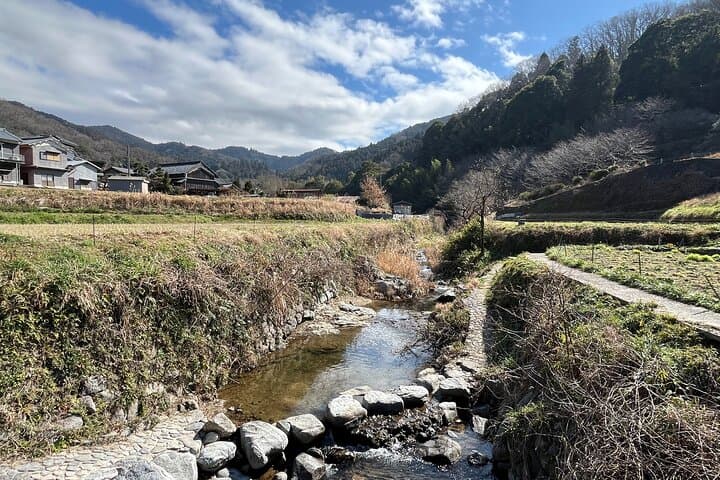
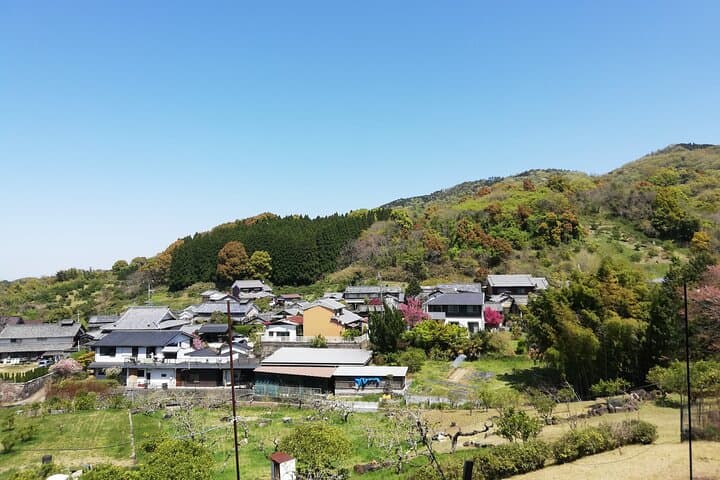
Morning light slides across rice paddies and narrow lanes as riders clip in and walkers fall into the quiet rhythm of Asuka.
Morning light slides across rice paddies and narrow lanes as riders clip in and walkers fall into the quiet rhythm of Asuka.
The day begins in Imaicho’s preserved merchant streets—more than 500 Edo-period buildings that feel lived-in rather than staged—before a short train hop to Kashihara Jingu, the modern shrine marking the mythical accession site of Emperor Jimmu (660 BC). The ride threads low, rolling farmland and farm lanes where volcanic tuff and ancient quarries shape small outcrops and stone markers.
History here is tactile: the massive stones of Ishibutai Kofun loom like a held breath from the 7th century, while small temples and the Man’yoshu museum surface Japan’s early literary voice. Local breweries—family-run sake and soy sauce shops—offer tastes that map community tradition onto flavor.
Practicalities are straightforward. Expect mostly paved roads and compact dirt around archaeological sites, with gentle elevation changes; the tour runs about seven hours including stops, and bicycles are provided (kids’ and child-seat options available). Guides navigate narrow lanes and arrange short transfers when needed.
Bring layered clothing, sun protection, and small-denomination cash for tasting stalls; a comfortable bike fit and basic shift-and-brake skills make the day smoother. Walk slowly through Imaicho’s side streets and listen: wind through the fields often seems to urge you onward, while temple bells keep a steadier pace.
This is an accessible cultural ride—part walking tour, part cycling loop—that connects rural landscapes, ancient tombs, and quiet craft workshops in a single, clear itinerary.