THE ADVENTURE COLLECTIVE® · Independent discovery and booking for outdoor travel

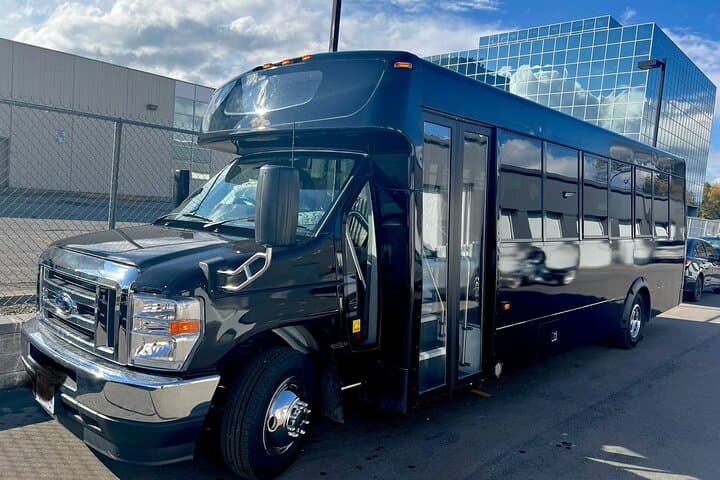
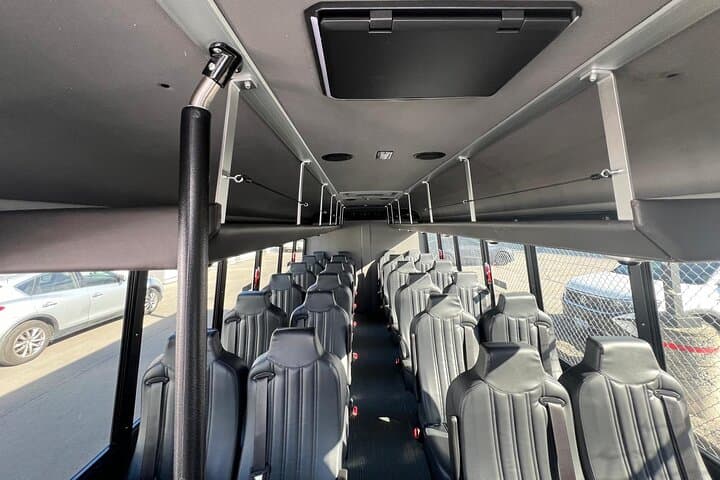
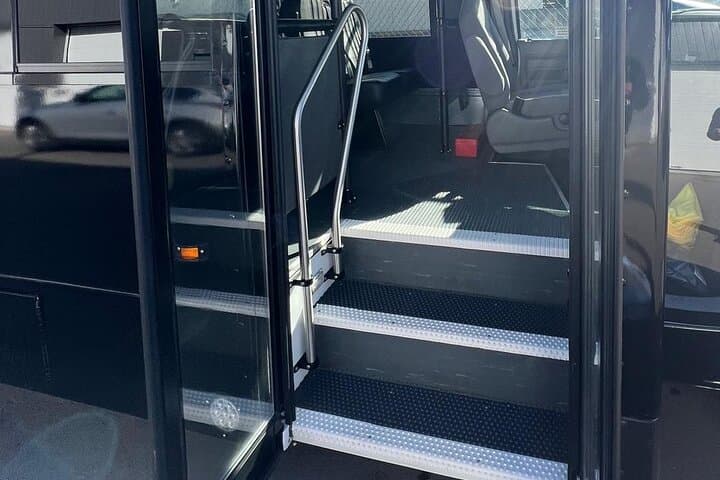
Skip the guesswork and ride direct between Toronto Pearson and Niagara Falls in a private 24‑passenger minibus. Comfortable, climate‑controlled transfers with flexible pickup and drop‑off for groups and families.
Skip the guesswork and ride direct between Toronto Pearson and Niagara Falls in a private 24‑passenger minibus. Comfortable, climate‑controlled transfers with flexible pickup and drop‑off for groups and families.
The road unwinds from the glass-and-steel bustle of Toronto Pearson, tracing the shoreline past Lake Ontario as the minibus hums toward the low, weathered spine of the Niagara Escarpment. Windows frame a changing scene — suburban ribbon, industrial yards, then the escarpment’s limestone cliffs giving way to vine-covered slopes that hint at the region’s wineries.
Verified experiences and guided adventures in the surrounding area.
Operated by Toronto Transfers & Tours · Niagara Falls, Ontario
The road unwinds from the glass-and-steel bustle of Toronto Pearson, tracing the shoreline past Lake Ontario as the minibus hums toward the low, weathered spine of the Niagara Escarpment. Windows frame a changing scene — suburban ribbon, industrial yards, then the escarpment’s limestone cliffs giving way to vine-covered slopes that hint at the region’s wineries.
This transfer links two eras: the modern airport hub that funnels international travelers into Ontario, and the Niagara region shaped by glacial carving and industrial-era tourism. The escarpment is bedrock of dolostone and limestone, its layers visible where the land drops toward the falls. Indigenous peoples and later European settlers used these travel corridors; today the QEW and Highway 403 follow similar arteries, moving people between city and cascade.
Culturally, the route is a study in contrasts — Toronto’s cosmopolitan neighborhoods yield to small-town main streets, roadside farm stands and provincial parks. Drivers, who ply this stretch daily, know the best windows for views and where to find a quick coffee stop before arrival.
Practical guidance: allow 60–120 minutes depending on traffic and time of day; midweek mornings are fastest. Book a private minibus for groups to avoid transfers and coordinate luggage and child seats. Bring ID and printed or mobile booking confirmation, layer up for variable highway drafts, and carry a refillable water bottle.
Expect a comfortable ride, professional drivers, and flexible pickup/drop-off options that simplify connecting flights or onward plans in Niagara.
easy.
1–2 hours.
Minimal — suitable for travelers of all fitness levels; you’ll be seated for the duration
Typical driving time is 60–120 minutes depending on traffic, weather, and exact pickup/drop‑off points.
Pickup is arranged at a specified terminal or nearby curb-side location; provide terminal, airline and flight number at booking.
Minibuses have cargo space but large or numerous items should be noted at booking to ensure space or an upgraded vehicle.
Yes — infant seats can be requested during booking and service animals are permitted; notify the operator ahead of time.
The corridor follows routes shaped by glacial retreat and later embraced by 19th-century railways and the QEW, which accelerated tourism to the Niagara region.
Stay on designated parking and rest areas to minimize roadside erosion; support local conservation by choosing operators who limit idling and follow regional waste‑management practices.
Toronto Transfers & Tours operates guided outdoor trips and adventures with an emphasis on safety, stewardship, and memorable experiences.
The road unwinds from the glass-and-steel bustle of Toronto Pearson, tracing the shoreline past Lake Ontario as the minibus hums toward the low, weathered spine of the Niagara Escarpment. Windows frame a changing scene — suburban ribbon, industrial yards, then the escarpment’s limestone cliffs giving way to vine-covered slopes that hint at the region’s wineries.
The road unwinds from the glass-and-steel bustle of Toronto Pearson, tracing the shoreline past Lake Ontario as the minibus hums toward the low, weathered spine of the Niagara Escarpment. Windows frame a changing scene — suburban ribbon, industrial yards, then the escarpment’s limestone cliffs giving way to vine-covered slopes that hint at the region’s wineries.
This transfer links two eras: the modern airport hub that funnels international travelers into Ontario, and the Niagara region shaped by glacial carving and industrial-era tourism. The escarpment is bedrock of dolostone and limestone, its layers visible where the land drops toward the falls. Indigenous peoples and later European settlers used these travel corridors; today the QEW and Highway 403 follow similar arteries, moving people between city and cascade.
Culturally, the route is a study in contrasts — Toronto’s cosmopolitan neighborhoods yield to small-town main streets, roadside farm stands and provincial parks. Drivers, who ply this stretch daily, know the best windows for views and where to find a quick coffee stop before arrival.
Practical guidance: allow 60–120 minutes depending on traffic and time of day; midweek mornings are fastest. Book a private minibus for groups to avoid transfers and coordinate luggage and child seats. Bring ID and printed or mobile booking confirmation, layer up for variable highway drafts, and carry a refillable water bottle.
Expect a comfortable ride, professional drivers, and flexible pickup/drop-off options that simplify connecting flights or onward plans in Niagara.