THE ADVENTURE COLLECTIVE® · Independent discovery and booking for outdoor travel

Explore three of Luberon’s most emblematic stops in a single day: medieval Gordes, the ochre cliffs of Roussillon and the lavender‑framed Sénanque Abbey. This guided loop balances easy village strolls with cultural insights and panoramic Provençal scenery.
Explore three of Luberon’s most emblematic stops in a single day: medieval Gordes, the ochre cliffs of Roussillon and the lavender‑framed Sénanque Abbey. This guided loop balances easy village strolls with cultural insights and panoramic Provençal scenery.
You arrive by road into a pale Provençal light: limestone cliffs, rows of vineyards, and the slow, fragrant breath of lavender fields as the van winds up toward Gordes. The village perches on a rocky outcrop; stone houses step down steep alleys, and the bell of a centuries‑old church keeps time as visitors drift between boutiques and shaded terraces.
Verified experiences and guided adventures in the surrounding area.
Operated by Happy Day In Provence · Gordes, Provence-Alpes-Côte d'Azur
You arrive by road into a pale Provençal light: limestone cliffs, rows of vineyards, and the slow, fragrant breath of lavender fields as the van winds up toward Gordes. The village perches on a rocky outcrop; stone houses step down steep alleys, and the bell of a centuries‑old church keeps time as visitors drift between boutiques and shaded terraces.
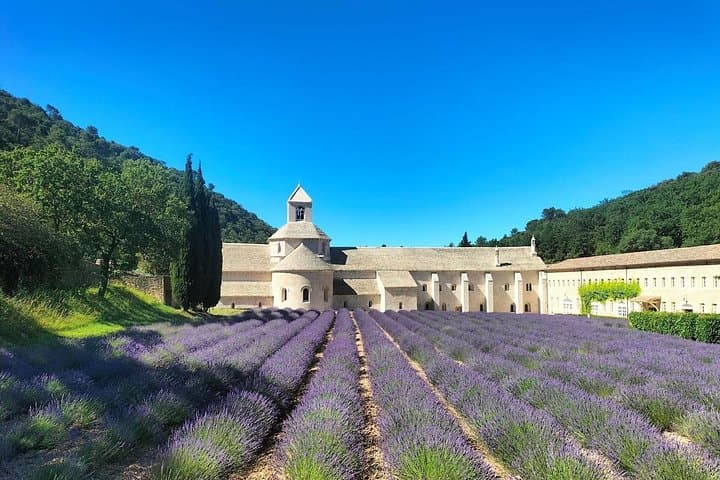
This loop through the Luberon combines medieval architecture, ochre‑streaked cliffs and a working Cistercian abbey. Gordes dates back to the 12th century and its castle and terraced buildings reflect centuries of rural life; just a short drive away, Roussillon’s cliffs and former quarries show the geology that produced its famous reds and oranges—iron oxides leached into the sandstone and clay. Sénanque Abbey, founded in 1148, sits in a sheltered valley where monks historically farmed lavender and wheat—the fields that bloom into a blue ribbon in high summer.
Expect short guided strolls rather than long hikes: cobbled streets, staircases and an optional ochre trail that can be dusty and exposed. Cultural notes: local artisans keep Provençal crafts alive—lavender distilleries, ochre workshops and small markets for olive oil and soap.
Practical guidance: wear grippy shoes for cobbles, carry water and sun protection, and time your visit for early morning or late afternoon to avoid peak sun and tour buses. If you want photos of lavender rows, aim for mid‑June to early July; for ochre cliffs, any dry day after rain reveals the richest colors. The tour is accessible to most fitness levels, but small‑group walking and short uphill sections are unavoidable.
easy.
7 hours.
Light activity: short walks and standing; suitable for most fitness levels but expect uneven surfaces and some steps.
Yes—private, air‑conditioned transport connects Gordes, Roussillon and Sénanque Abbey as part of the day tour.
Sénanque Abbey admission is listed as included where specified; small museums or private workshops may have separate fees—check your booking details.
Yes—the tour description notes guests can request 1–2 additional villages, subject to time and availability.
The tour is family‑friendly and provides infant seats; however, cobbles and steps in villages can make stroller access limited in some areas.
The Luberon villages grew around fortified centers and agricultural hamlets from medieval times; Sénanque Abbey is a 12th‑century Cistercian monastery famed for its stone architecture and lavender fields.
Local efforts focus on protecting dry stone walls, traditional terraces and sustainable lavender farming to reduce erosion and preserve the region’s agricultural heritage.
Happy Day In Provence operates guided outdoor trips and adventures with an emphasis on safety, stewardship, and memorable experiences.


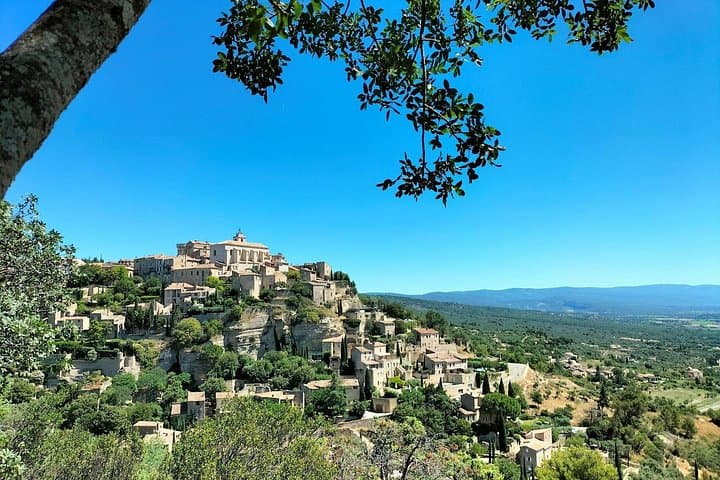
You arrive by road into a pale Provençal light: limestone cliffs, rows of vineyards, and the slow, fragrant breath of lavender fields as the van winds up toward Gordes. The village perches on a rocky outcrop; stone houses step down steep alleys, and the bell of a centuries‑old church keeps time as visitors drift between boutiques and shaded terraces.
You arrive by road into a pale Provençal light: limestone cliffs, rows of vineyards, and the slow, fragrant breath of lavender fields as the van winds up toward Gordes. The village perches on a rocky outcrop; stone houses step down steep alleys, and the bell of a centuries‑old church keeps time as visitors drift between boutiques and shaded terraces.
This loop through the Luberon combines medieval architecture, ochre‑streaked cliffs and a working Cistercian abbey. Gordes dates back to the 12th century and its castle and terraced buildings reflect centuries of rural life; just a short drive away, Roussillon’s cliffs and former quarries show the geology that produced its famous reds and oranges—iron oxides leached into the sandstone and clay. Sénanque Abbey, founded in 1148, sits in a sheltered valley where monks historically farmed lavender and wheat—the fields that bloom into a blue ribbon in high summer.
Expect short guided strolls rather than long hikes: cobbled streets, staircases and an optional ochre trail that can be dusty and exposed. Cultural notes: local artisans keep Provençal crafts alive—lavender distilleries, ochre workshops and small markets for olive oil and soap.
Practical guidance: wear grippy shoes for cobbles, carry water and sun protection, and time your visit for early morning or late afternoon to avoid peak sun and tour buses. If you want photos of lavender rows, aim for mid‑June to early July; for ochre cliffs, any dry day after rain reveals the richest colors. The tour is accessible to most fitness levels, but small‑group walking and short uphill sections are unavoidable.