THE ADVENTURE COLLECTIVE® · Independent discovery and booking for outdoor travel

Step aboard Broome’s restored pearl lugger and trace 150 years of pearling history around Dampier Creek. This accessible 90-minute tour combines hands-on artefacts, local storytelling and a rare tasting of pearl meat.
Step aboard Broome’s restored pearl lugger and trace 150 years of pearling history around Dampier Creek. This accessible 90-minute tour combines hands-on artefacts, local storytelling and a rare tasting of pearl meat.
A raspy wind from Roebuck Bay pushes across the foreshore as you step into Old Broome’s Chinatown, where a restored pearl lugger sits on a reconstructed tidal jetty like a story frozen at low tide. The creak of timbers and the metallic glint of mother-of-pearl draw you close; salt and mangrove mud mark the ground where generations of pearlers once worked and waited for the tide.
Verified experiences and guided adventures in the surrounding area.
Operated by Willie Creek Pearls · Broome, Western Australia
A raspy wind from Roebuck Bay pushes across the foreshore as you step into Old Broome’s Chinatown, where a restored pearl lugger sits on a reconstructed tidal jetty like a story frozen at low tide. The creak of timbers and the metallic glint of mother-of-pearl draw you close; salt and mangrove mud mark the ground where generations of pearlers once worked and waited for the tide.
The 90-minute guided tour stitches together 150 years of local history — from the Indonesian and Indigenous sailors who harvested mother-of-pearl to the era of hard-hat divers and the later mechanization of pearling. Geology here matters: the productive Pinctada maxima oysters favor Dampier Creek’s sheltered, nutrient-rich waters, and the tidal rhythm shaped both industry and community. Broome’s Chinatown grew where trade, migration and maritime law intersected, leaving behind artefacts, photos and the weathered hulks of vessels.
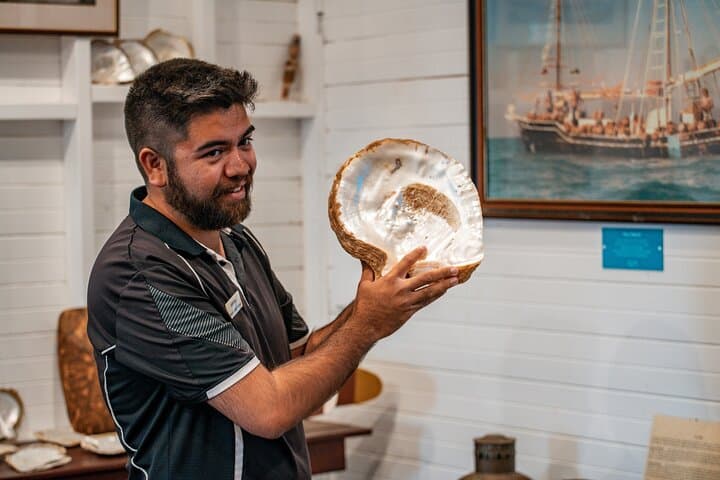
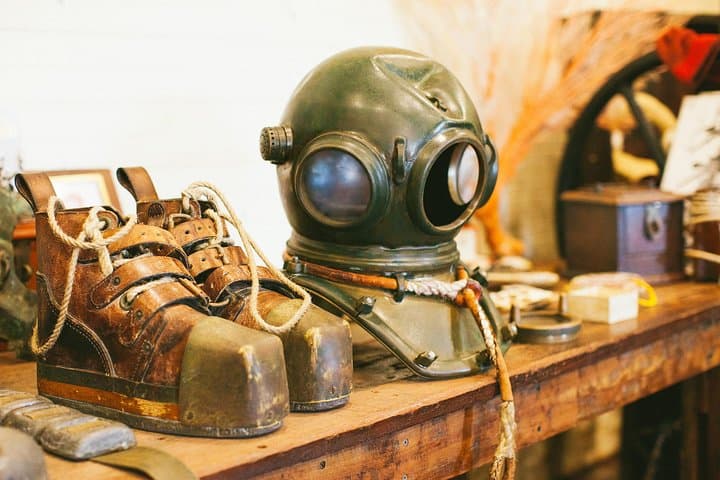
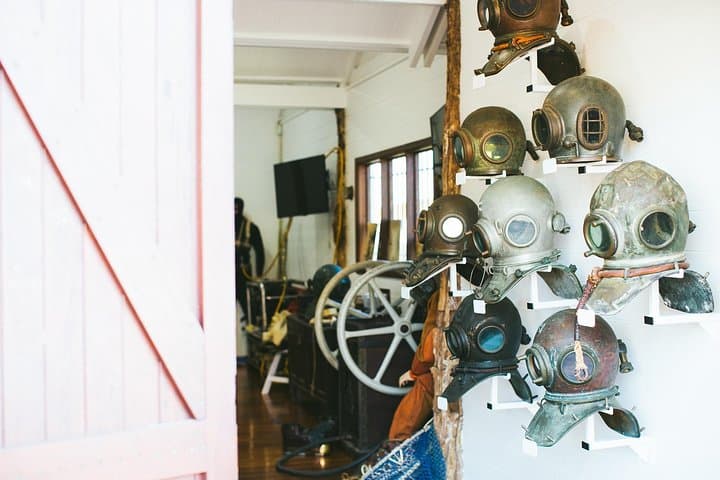
Culturally, tours highlight the multicultural crews and the complex stories of labour, fortune and loss. The venue’s restored lugger and pearlers’ store give tactile context—visitors can handle tools, view diving gear and sample pearl meat, an unusual local delicacy.
Practical details are straightforward: tours run daily, accommodate up to 40 people, and are wheelchair accessible. Wear sun protection and comfortable shoes for uneven jetty planks; bring a light layer for windy mornings. Plan for a quick walk from central Broome and allow time afterward to explore local galleries and the tidal flats, where shorebirds patrol the mudflats like watchful locals.
easy.
1.5 hours.
Suitable for all fitness levels; requires only short, gentle walks and standing during commentary.
The guided experience runs approximately 90 minutes and includes commentary, artefact displays and a pearl meat tasting.
Yes — the venue and surfaces are wheelchair accessible and strollers are permitted; inform the operator of any needs when booking.
Children are welcome; infants must sit on an adult’s lap. The tour is rated easy for all ages.
Tours operate in most conditions and do not automatically cancel for bad weather; check the operator’s cancellation policy or contact them if conditions are severe.
Broome’s pearling boom from the late 19th century attracted crews from Japan, Indonesia, the Philippines and Europe, shaping Chinatown and local culture around pearling trade and migration.
Roebuck Bay is internationally recognized for its intertidal habitat; tours emphasize minimal disturbance to mudflats and respect for culturally significant sites.
Willie Creek Pearls operates guided outdoor trips and adventures with an emphasis on safety, stewardship, and memorable experiences.
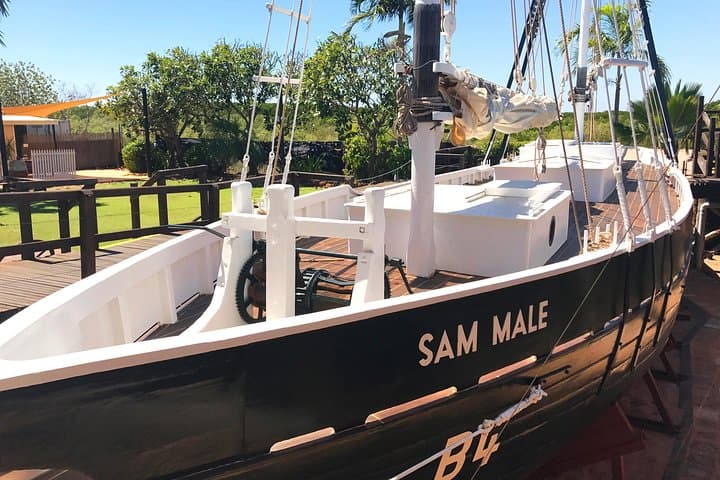
A raspy wind from Roebuck Bay pushes across the foreshore as you step into Old Broome’s Chinatown, where a restored pearl lugger sits on a reconstructed tidal jetty like a story frozen at low tide. The creak of timbers and the metallic glint of mother-of-pearl draw you close; salt and mangrove mud mark the ground where generations of pearlers once worked and waited for the tide.
A raspy wind from Roebuck Bay pushes across the foreshore as you step into Old Broome’s Chinatown, where a restored pearl lugger sits on a reconstructed tidal jetty like a story frozen at low tide. The creak of timbers and the metallic glint of mother-of-pearl draw you close; salt and mangrove mud mark the ground where generations of pearlers once worked and waited for the tide.
The 90-minute guided tour stitches together 150 years of local history — from the Indonesian and Indigenous sailors who harvested mother-of-pearl to the era of hard-hat divers and the later mechanization of pearling. Geology here matters: the productive Pinctada maxima oysters favor Dampier Creek’s sheltered, nutrient-rich waters, and the tidal rhythm shaped both industry and community. Broome’s Chinatown grew where trade, migration and maritime law intersected, leaving behind artefacts, photos and the weathered hulks of vessels.
Culturally, tours highlight the multicultural crews and the complex stories of labour, fortune and loss. The venue’s restored lugger and pearlers’ store give tactile context—visitors can handle tools, view diving gear and sample pearl meat, an unusual local delicacy.
Practical details are straightforward: tours run daily, accommodate up to 40 people, and are wheelchair accessible. Wear sun protection and comfortable shoes for uneven jetty planks; bring a light layer for windy mornings. Plan for a quick walk from central Broome and allow time afterward to explore local galleries and the tidal flats, where shorebirds patrol the mudflats like watchful locals.