THE ADVENTURE COLLECTIVE® · Independent discovery and booking for outdoor travel

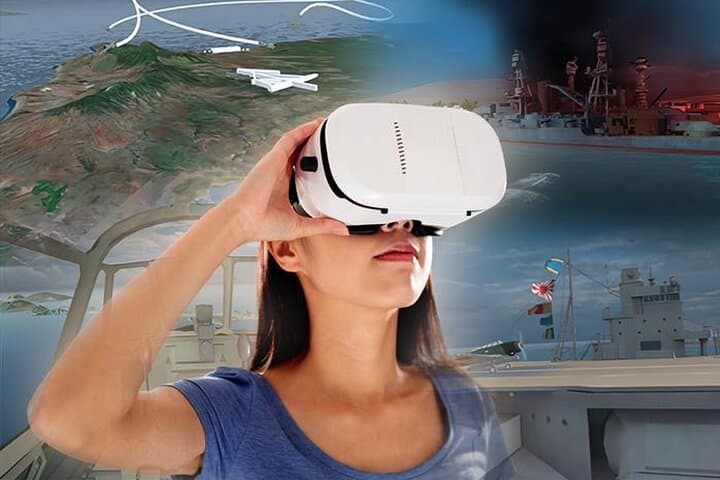
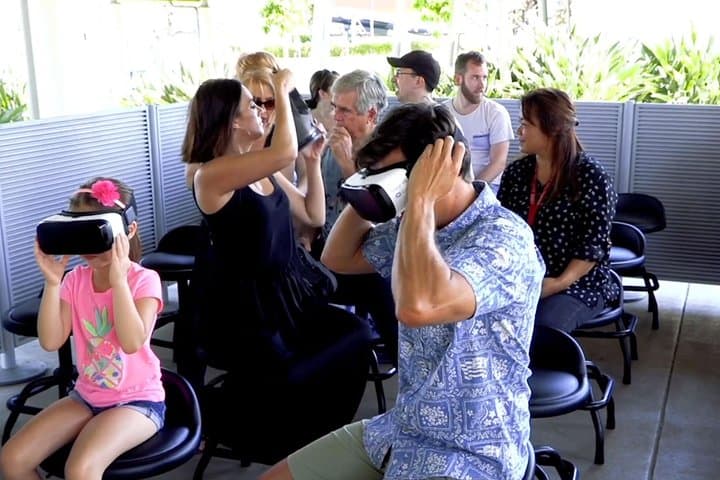
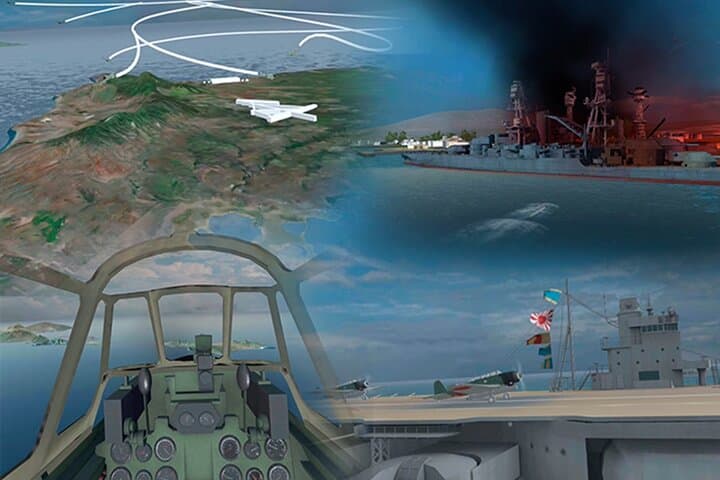
Experience Pearl Harbor’s history through four immersive VR modules — from cockpit views to underwater visits to the USS Arizona. This one-hour theater session is a vivid primer for the memorial and a practical, accessible way to engage with December 7, 1941.
Experience Pearl Harbor’s history through four immersive VR modules — from cockpit views to underwater visits to the USS Arizona. This one-hour theater session is a vivid primer for the memorial and a practical, accessible way to engage with December 7, 1941.
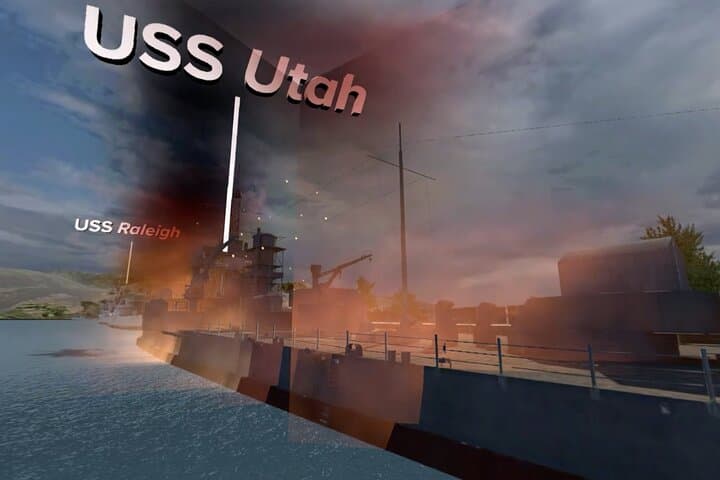
You step into a cool, dim theater at the Pearl Harbor Visitor Center and the harbor’s surface seems to tilt and breathe beyond the screen — gulls squabble, diesel hums in the distance, and water presses at the edge of memory. The headset snaps on and the day of December 7, 1941, unfolds around you: aircraft roar overhead, deck planks shift beneath your boots, and the USS Arizona rests silent below the waves.
Verified experiences and guided adventures in the surrounding area.
Operated by Pacific Historic Parks · Honolulu, Hawaii
You step into a cool, dim theater at the Pearl Harbor Visitor Center and the harbor’s surface seems to tilt and breathe beyond the screen — gulls squabble, diesel hums in the distance, and water presses at the edge of memory. The headset snaps on and the day of December 7, 1941, unfolds around you: aircraft roar overhead, deck planks shift beneath your boots, and the USS Arizona rests silent below the waves.
Pearl Harbor’s story is anchored in mid-20th-century geopolitics and the volcanic geology of Oʻahu’s leeward coast; the island’s basalt ridges and sheltered harbor shaped naval strategy and the facilities that grew here. The Virtual Reality Theater reframes archival footage and 3D modeling into four focused vignettes — from aerial perspectives to an underwater visit to the Arizona’s wreck — offering historical context without replacing the experience of the actual memorial boat trip.
Practicalities matter: the VR experience runs daily, open 7am–5pm, and is wheelchair accessible, but it does not include the boat ticket to the USS Arizona Memorial. Expect clear staff instruction on headset use, short runtime per module, and a no-bag policy at the Visitor Center. Plan to reserve a separate boat ticket via recreation.gov if you want the memorial itself, arrive early to avoid mid-day crowds, and bring a light jacket for breezy harbor evenings.
This theater is best as a complement to the outdoor sites — it widens perspective, prepares you emotionally for the memorial, and helps translate fragments of history into human-scale moments.
easy.
1 hour.
Suitable for all fitness levels—requires only the ability to stand or sit for short VR sequences
No — the VR experience is separate; reserve boat tickets ahead at recreation.gov or use the standby queue at the Visitor Center.
Yes — staff follow cleaning protocols and will help adjust and sanitize headsets between guests.
Yes — content is appropriate for most children, but viewer discretion is advised for very young or sensitive visitors; staff can recommend which modules to view.
Yes — the Pearl Harbor Visitor Center and VR Theater are wheelchair accessible; notify staff of any special needs upon arrival.
Pearl Harbor was a key U.S. Pacific Fleet base and the site of Japan’s attack on December 7, 1941; the USS Arizona sank with significant loss of life and is preserved as an eternal memorial.
The National Park Service manages the memorial and Visitor Center with strict preservation rules, limited access to wreck sites, and policies (like the no-bag rule) to protect artifacts and visitor safety.
Pacific Historic Parks operates guided outdoor trips and adventures with an emphasis on safety, stewardship, and memorable experiences.
You step into a cool, dim theater at the Pearl Harbor Visitor Center and the harbor’s surface seems to tilt and breathe beyond the screen — gulls squabble, diesel hums in the distance, and water presses at the edge of memory. The headset snaps on and the day of December 7, 1941, unfolds around you: aircraft roar overhead, deck planks shift beneath your boots, and the USS Arizona rests silent below the waves.
You step into a cool, dim theater at the Pearl Harbor Visitor Center and the harbor’s surface seems to tilt and breathe beyond the screen — gulls squabble, diesel hums in the distance, and water presses at the edge of memory. The headset snaps on and the day of December 7, 1941, unfolds around you: aircraft roar overhead, deck planks shift beneath your boots, and the USS Arizona rests silent below the waves.
Pearl Harbor’s story is anchored in mid-20th-century geopolitics and the volcanic geology of Oʻahu’s leeward coast; the island’s basalt ridges and sheltered harbor shaped naval strategy and the facilities that grew here. The Virtual Reality Theater reframes archival footage and 3D modeling into four focused vignettes — from aerial perspectives to an underwater visit to the Arizona’s wreck — offering historical context without replacing the experience of the actual memorial boat trip.
Practicalities matter: the VR experience runs daily, open 7am–5pm, and is wheelchair accessible, but it does not include the boat ticket to the USS Arizona Memorial. Expect clear staff instruction on headset use, short runtime per module, and a no-bag policy at the Visitor Center. Plan to reserve a separate boat ticket via recreation.gov if you want the memorial itself, arrive early to avoid mid-day crowds, and bring a light jacket for breezy harbor evenings.
This theater is best as a complement to the outdoor sites — it widens perspective, prepares you emotionally for the memorial, and helps translate fragments of history into human-scale moments.