THE ADVENTURE COLLECTIVE® · Independent discovery and booking for outdoor travel

Experience Pearl Harbor with an official self-guided multimedia tour that guides you through the Visitor Center, museums, and shoreline "Path of Attack." Learn how to plan for boat tickets, the Visitor Center’s no-bag policy, and accessibility before you go.
Experience Pearl Harbor with an official self-guided multimedia tour that guides you through the Visitor Center, museums, and shoreline "Path of Attack." Learn how to plan for boat tickets, the Visitor Center’s no-bag policy, and accessibility before you go.
Walk into the Pearl Harbor Visitor Center and the air seems to hold a quiet urgency: voices from the past threaded through narrated segments, images on the screen, and the shoreline visible beyond the plaza. This self-guided multimedia tour, hosted on an issued device, moves at your pace through two museums and along the shoreline’s "Path of Attack," placing you at the hinge of a pivotal day in U.S. history.
Verified experiences and guided adventures in the surrounding area.
Operated by Pacific Historic Parks · Honolulu, Hawaii
Walk into the Pearl Harbor Visitor Center and the air seems to hold a quiet urgency: voices from the past threaded through narrated segments, images on the screen, and the shoreline visible beyond the plaza. This self-guided multimedia tour, hosted on an issued device, moves at your pace through two museums and along the shoreline’s "Path of Attack," placing you at the hinge of a pivotal day in U.S. history.
Geology and location have shaped the site — a shallow, protected inlet carved into Oʻahu’s leeward coast that became a strategic fleet anchorage. The galleries explain industrial-era shipbuilding, the sudden violence of December 7, 1941, and the long aftermath that reconfigured the Pacific. The tour’s voices include National Park Service rangers, historians, and firsthand accounts from Pearl Harbor survivors, helping translate metal and hull into human stories.
Local culture is present in quieter ways: Hawaiian place names, the naval community on Ford Island, and stewardship efforts to preserve the memorial and its artifacts. Expect measured pacing — exhibits that reward attention rather than rush.
Practical guidance: reserve a separate boat ticket to reach the USS Arizona Memorial through recreation.gov or join the free standby queue. The Visitor Center enforces a strict no-bag policy (paid storage available); check-in at the Audio Desk (open 7am–5pm). Devices and complimentary earphones are provided; allow 1–3 hours for a full visit, longer if you add other sites like the Battleship Missouri or Pacific Aviation Museum. Accessible for wheelchairs and family-friendly, this walkable, interpretive experience pairs tactile history with clear logistical requirements.
easy.
1–3 hours.
Suitable for all fitness levels; mostly walking on paved surfaces with optional longer walks to shoreline viewpoints
No — boat shuttle tickets are not included. Reserve at recreation.gov for a $1 reservation fee or join the free in-person standby queue at the Visitor Center.
Yes — the Visitor Center, exhibits, and provided multimedia devices accommodate wheelchair users; transportation options linked to the site are accessible as well.
Yes — the tour provides a multimedia device and complimentary earphones you can take home.
There is a strict no-bag policy; any bag larger than permitted dimensions is prohibited, though paid storage is available on site.
Pearl Harbor National Memorial commemorates the December 7, 1941 attack that brought the U.S. into World War II and preserves the hulk of the USS Arizona as a gravesite and monument.
The National Park Service manages the memorial with strict rules (no-touch zones, bag restrictions) to protect artifacts and human remains while encouraging respectful visitation.
Pacific Historic Parks operates guided outdoor trips and adventures with an emphasis on safety, stewardship, and memorable experiences.
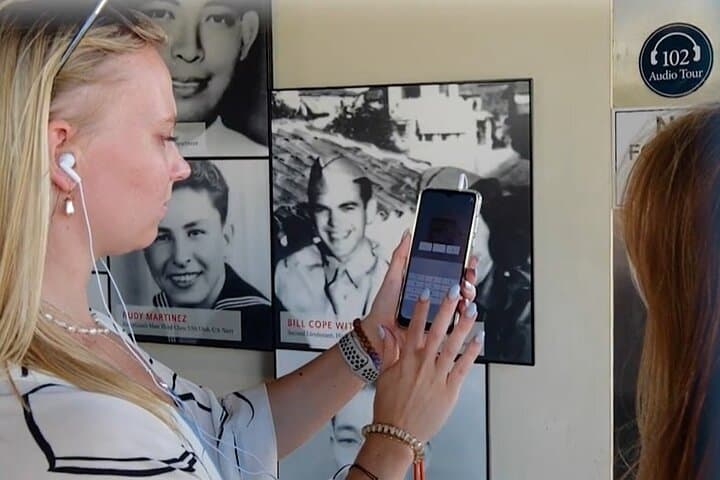
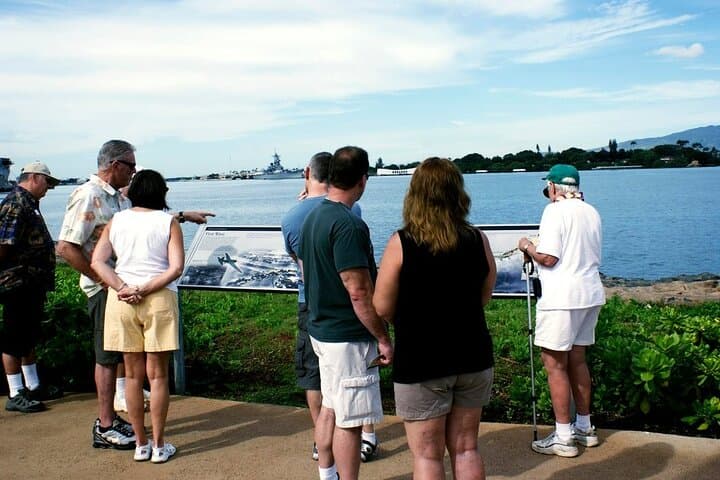

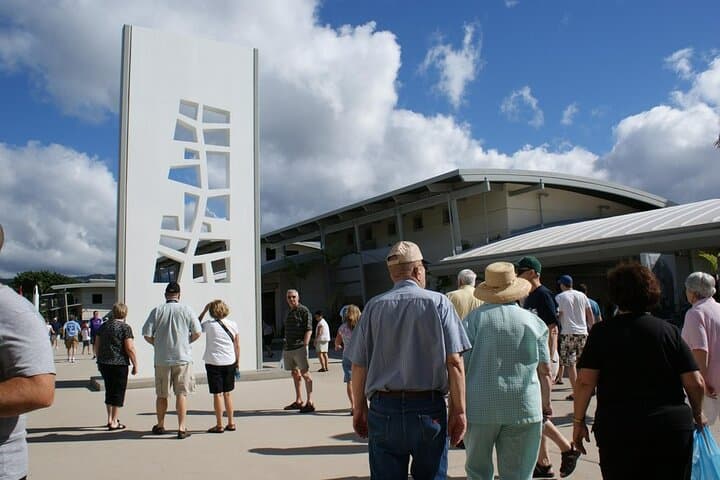
Walk into the Pearl Harbor Visitor Center and the air seems to hold a quiet urgency: voices from the past threaded through narrated segments, images on the screen, and the shoreline visible beyond the plaza. This self-guided multimedia tour, hosted on an issued device, moves at your pace through two museums and along the shoreline’s "Path of Attack," placing you at the hinge of a pivotal day in U.S. history.
Walk into the Pearl Harbor Visitor Center and the air seems to hold a quiet urgency: voices from the past threaded through narrated segments, images on the screen, and the shoreline visible beyond the plaza. This self-guided multimedia tour, hosted on an issued device, moves at your pace through two museums and along the shoreline’s "Path of Attack," placing you at the hinge of a pivotal day in U.S. history.
Geology and location have shaped the site — a shallow, protected inlet carved into Oʻahu’s leeward coast that became a strategic fleet anchorage. The galleries explain industrial-era shipbuilding, the sudden violence of December 7, 1941, and the long aftermath that reconfigured the Pacific. The tour’s voices include National Park Service rangers, historians, and firsthand accounts from Pearl Harbor survivors, helping translate metal and hull into human stories.
Local culture is present in quieter ways: Hawaiian place names, the naval community on Ford Island, and stewardship efforts to preserve the memorial and its artifacts. Expect measured pacing — exhibits that reward attention rather than rush.
Practical guidance: reserve a separate boat ticket to reach the USS Arizona Memorial through recreation.gov or join the free standby queue. The Visitor Center enforces a strict no-bag policy (paid storage available); check-in at the Audio Desk (open 7am–5pm). Devices and complimentary earphones are provided; allow 1–3 hours for a full visit, longer if you add other sites like the Battleship Missouri or Pacific Aviation Museum. Accessible for wheelchairs and family-friendly, this walkable, interpretive experience pairs tactile history with clear logistical requirements.