THE ADVENTURE COLLECTIVE® · Independent discovery and booking for outdoor travel

Explore Pearl Harbor’s USS Arizona Memorial and Honolulu’s kingdom-era landmarks on a 5–6 hour guided tour from Waikiki. Expect museum exhibits, a Navy boat to the memorial, and stops at Punchbowl and the Kamehameha statue.
Explore Pearl Harbor’s USS Arizona Memorial and Honolulu’s kingdom-era landmarks on a 5–6 hour guided tour from Waikiki. Expect museum exhibits, a Navy boat to the memorial, and stops at Punchbowl and the Kamehameha statue.
You step off the shuttle in a low-angled Hawaiian light, the ocean breathing just beyond the visitor center and the island itself holding a quiet tension. The day opens with a short film that frames December 7, 1941, then carries you out across sheltered harbor water to the USS Arizona Memorial — the boat rocks, the wind seems to speak for those who can’t.
Verified experiences and guided adventures in the surrounding area.
Operated by NORTH SHORE BEACH BUS · Honolulu, Hawaii
You step off the shuttle in a low-angled Hawaiian light, the ocean breathing just beyond the visitor center and the island itself holding a quiet tension. The day opens with a short film that frames December 7, 1941, then carries you out across sheltered harbor water to the USS Arizona Memorial — the boat rocks, the wind seems to speak for those who can’t.
Pearl Harbor’s gravelly shoreline and coral-framed basin reflect a history that altered global geopolitics. The site folds wartime artifacts, oral histories and the Road to War exhibit into a single sequence that connects local Hawaiian sovereignty, the monarchy-era landmarks you’ll pass in downtown Honolulu, and the military history anchored here. Punchbowl National Cemetery’s vault-like slopes offer a sober counterpoint to the bronze figure of King Kamehameha, a reminder of pre-contact governance and cultural continuity.
Geologically, Oʻahu’s volcanic uplands and fringing reefs shape the harbor’s calm waters, while urban Honolulu chronicles the islands’ colonial and modern chapters within blocks.
Practical guidance: the tour runs about 5–6 hours with Waikiki pickup; wear comfortable shoes for short walks, bring sun protection and a refillable bottle, and expect security screening at naval sites. Photography is allowed in many areas but restricted around the memorial platform; respect quiet zones for reflection. Timed entries can fill early — book morning slots to avoid heat and larger crowds. Pack a lightweight layer for ocean breeze during the boat crossing; hydration and a charged phone camera will keep memories and logistics in hand.
easy.
5–6 hours.
Suitable for most fitness levels; requires short walks on mostly flat, paved surfaces and a boarding step onto a navy launch.
Yes; this tour includes Navy-operated USS Arizona Memorial tickets and timed boat access after the visitor center film.
Yes; the itinerary is rated easy with short, accessible walks, though infants must sit on an adult’s lap during transport.
Bring your mobile or printed ticket and a government-issued photo ID for security screenings at the naval site.
This tour passes by Iolani Palace and the King Kamehameha statue as part of the downtown segment but does not include interior admission to the palace.
Pearl Harbor transformed in 1941 from a strategic naval base into a pivot of American wartime mobilization; downtown Honolulu’s monuments reflect the preceding era of the Hawaiian Kingdom and the 19th-century shift in governance.
The Navy and National Park Service manage the memorial with strict visitor limits to protect the site and underwater remnants; stick to marked paths and avoid disturbing reef areas to reduce ecological impact.
NORTH SHORE BEACH BUS operates guided outdoor trips and adventures with an emphasis on safety, stewardship, and memorable experiences.
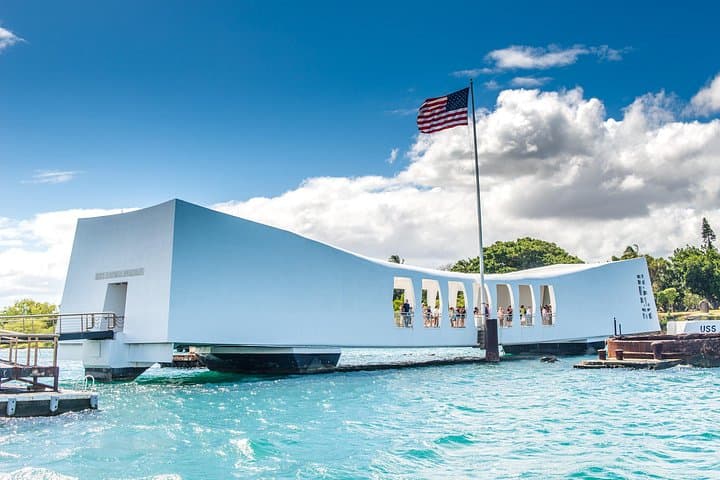
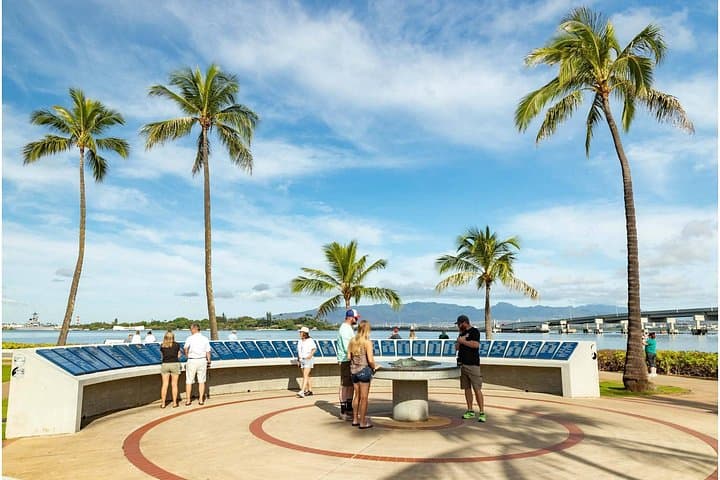
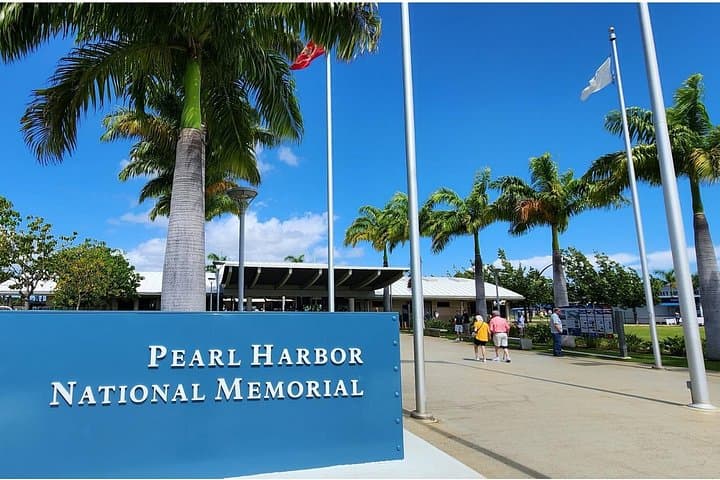
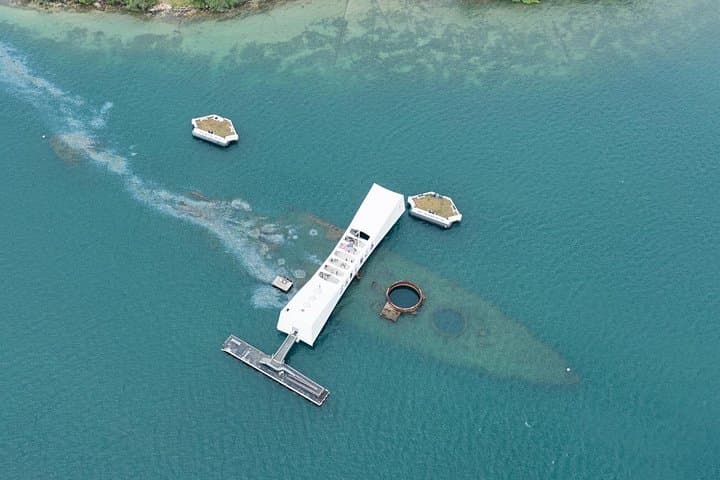
You step off the shuttle in a low-angled Hawaiian light, the ocean breathing just beyond the visitor center and the island itself holding a quiet tension. The day opens with a short film that frames December 7, 1941, then carries you out across sheltered harbor water to the USS Arizona Memorial — the boat rocks, the wind seems to speak for those who can’t.
You step off the shuttle in a low-angled Hawaiian light, the ocean breathing just beyond the visitor center and the island itself holding a quiet tension. The day opens with a short film that frames December 7, 1941, then carries you out across sheltered harbor water to the USS Arizona Memorial — the boat rocks, the wind seems to speak for those who can’t.
Pearl Harbor’s gravelly shoreline and coral-framed basin reflect a history that altered global geopolitics. The site folds wartime artifacts, oral histories and the Road to War exhibit into a single sequence that connects local Hawaiian sovereignty, the monarchy-era landmarks you’ll pass in downtown Honolulu, and the military history anchored here. Punchbowl National Cemetery’s vault-like slopes offer a sober counterpoint to the bronze figure of King Kamehameha, a reminder of pre-contact governance and cultural continuity.
Geologically, Oʻahu’s volcanic uplands and fringing reefs shape the harbor’s calm waters, while urban Honolulu chronicles the islands’ colonial and modern chapters within blocks.
Practical guidance: the tour runs about 5–6 hours with Waikiki pickup; wear comfortable shoes for short walks, bring sun protection and a refillable bottle, and expect security screening at naval sites. Photography is allowed in many areas but restricted around the memorial platform; respect quiet zones for reflection. Timed entries can fill early — book morning slots to avoid heat and larger crowds. Pack a lightweight layer for ocean breeze during the boat crossing; hydration and a charged phone camera will keep memories and logistics in hand.