THE ADVENTURE COLLECTIVE® · Independent discovery and booking for outdoor travel

Experience three of Oʻahu’s signature sites in one guided day: the USS Arizona Memorial’s solemn history, the pineapple stories and treats at Dole Plantation, and living Polynesian culture at Laie’s Polynesian Cultural Center. This itinerary blends history, botany and performance with practical transport from Maui.
Experience three of Oʻahu’s signature sites in one guided day: the USS Arizona Memorial’s solemn history, the pineapple stories and treats at Dole Plantation, and living Polynesian culture at Laie’s Polynesian Cultural Center. This itinerary blends history, botany and performance with practical transport from Maui.
Standing at the edge of the USS Arizona visitor dock, the Pacific looks ordinary—blue, wide, indifferent—until a short documentary rewinds the harbor to December 7, 1941. The memorial’s marble names and the slow rise of oil bubbles in the water make history immediate: this is a place that asks you to stop, listen, and remember.
Verified experiences and guided adventures in the surrounding area.
Operated by Pearl Harbor Oahu · Honolulu, Hawaii
Standing at the edge of the USS Arizona visitor dock, the Pacific looks ordinary—blue, wide, indifferent—until a short documentary rewinds the harbor to December 7, 1941. The memorial’s marble names and the slow rise of oil bubbles in the water make history immediate: this is a place that asks you to stop, listen, and remember.
The day moves from wartime memory to island agriculture and living culture. At Dole Plantation you’ll trace the path of commercial pineapple farming that reshaped Oʻahu’s central plain and left the roadside patchwork of former plantations. Look up to spot Rainbow Eucalyptus along shaded lanes—geology and botany made visible in bark and soil.
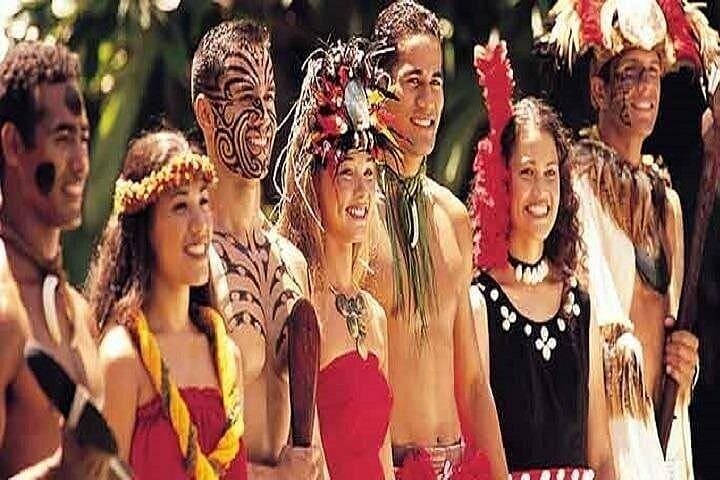
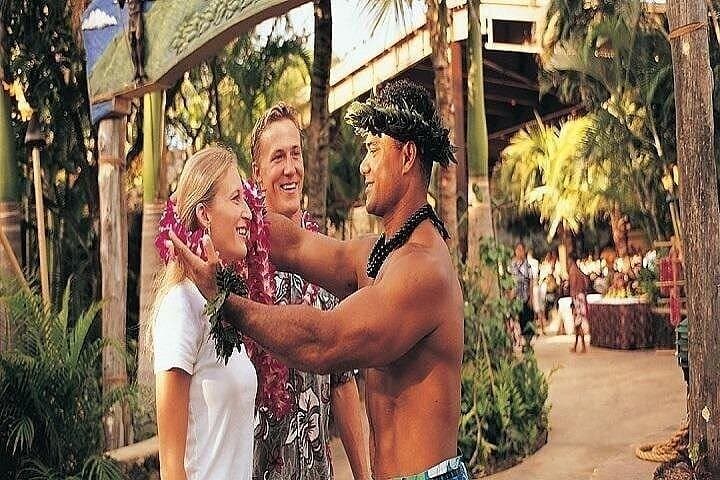
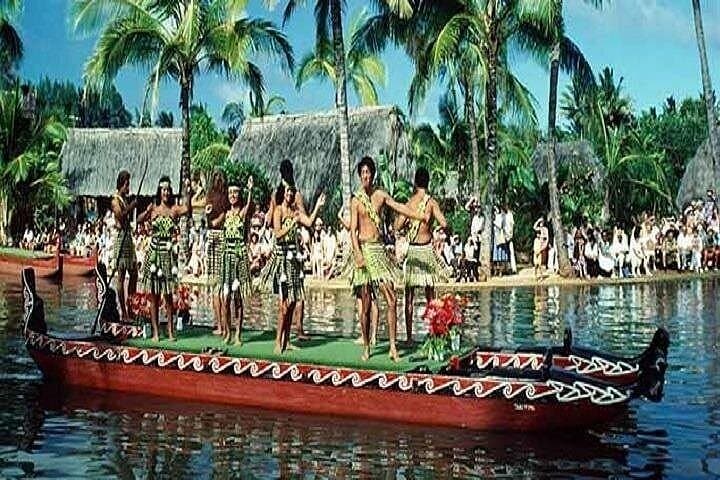
Laie’s Polynesian Cultural Center closes the loop with living traditions from Hawaii, Samoa, Tahiti, Tonga, Fiji and Aotearoa (New Zealand). Canoe pageants, village demonstrations and evening performances foreground choreography, chant, and foodways that tie islands to ocean routes and kin networks.
Practical note: this is a full, guided day—expect 6–7 hours in an air-conditioned van with multiple short walks and one boat transfer to the Arizona Memorial. Wear comfortable walking shoes, sun protection and bring a refillable water bottle. Bags are restricted at Pearl Harbor (clear bags preferred; storage available). Weather can shift quickly—pack a lightweight rain shell. Plan for respectful silence at the memorial and time to browse museum exhibits and the Plantation store. From Maui, the tour includes round-trip airfare to Honolulu, turning a single day into a cross-island immersion in wartime history, agricultural legacy, and Pacific island culture.
easy.
6–7 hours.
Suitable for most travelers who can handle several short walks and one boat transfer; minimal elevation change.
Yes — this tour lists round-trip airfare between Kahului (Maui) and Honolulu as included; local pickup arrangements are handled per booking details.
No — meals are at your own expense, though Polynesian Cultural Center often offers optional lunch packages or on-site dining during your visit.
Bags are restricted; clear plastic bags are allowed. Larger bags can usually be stored on-site for a fee—check current policies before travel.
The tour is rated easy but includes steps, a short boat transfer to the USS Arizona Memorial and walking across museum grounds; contact the operator in advance for accessibility accommodations.
Pearl Harbor’s USS Arizona Memorial marks the site where 1,177 crewmen died during the December 7, 1941 attack; Dole Plantation chronicles the rise of large-scale pineapple cultivation in early 20th-century Hawaii.
Sites emphasize respectful visitation—stay on designated paths, avoid touching cultural artifacts, and follow staff guidance to protect historic fabric and living cultural demonstrations.
Pearl Harbor Oahu operates guided outdoor trips and adventures with an emphasis on safety, stewardship, and memorable experiences.

Standing at the edge of the USS Arizona visitor dock, the Pacific looks ordinary—blue, wide, indifferent—until a short documentary rewinds the harbor to December 7, 1941. The memorial’s marble names and the slow rise of oil bubbles in the water make history immediate: this is a place that asks you to stop, listen, and remember.
Standing at the edge of the USS Arizona visitor dock, the Pacific looks ordinary—blue, wide, indifferent—until a short documentary rewinds the harbor to December 7, 1941. The memorial’s marble names and the slow rise of oil bubbles in the water make history immediate: this is a place that asks you to stop, listen, and remember.
The day moves from wartime memory to island agriculture and living culture. At Dole Plantation you’ll trace the path of commercial pineapple farming that reshaped Oʻahu’s central plain and left the roadside patchwork of former plantations. Look up to spot Rainbow Eucalyptus along shaded lanes—geology and botany made visible in bark and soil.
Laie’s Polynesian Cultural Center closes the loop with living traditions from Hawaii, Samoa, Tahiti, Tonga, Fiji and Aotearoa (New Zealand). Canoe pageants, village demonstrations and evening performances foreground choreography, chant, and foodways that tie islands to ocean routes and kin networks.
Practical note: this is a full, guided day—expect 6–7 hours in an air-conditioned van with multiple short walks and one boat transfer to the Arizona Memorial. Wear comfortable walking shoes, sun protection and bring a refillable water bottle. Bags are restricted at Pearl Harbor (clear bags preferred; storage available). Weather can shift quickly—pack a lightweight rain shell. Plan for respectful silence at the memorial and time to browse museum exhibits and the Plantation store. From Maui, the tour includes round-trip airfare to Honolulu, turning a single day into a cross-island immersion in wartime history, agricultural legacy, and Pacific island culture.