THE ADVENTURE COLLECTIVE® · Independent discovery and booking for outdoor travel

Explore the USS Arizona Memorial, walk the deck of the USS Missouri, and visit Ford Island on a full‑day guided tour from Waikiki. This experience blends solemn remembrance, clear historical narration, and practical logistics for a respectful visit to Pearl Harbor.
Explore the USS Arizona Memorial, walk the deck of the USS Missouri, and visit Ford Island on a full‑day guided tour from Waikiki. This experience blends solemn remembrance, clear historical narration, and practical logistics for a respectful visit to Pearl Harbor.
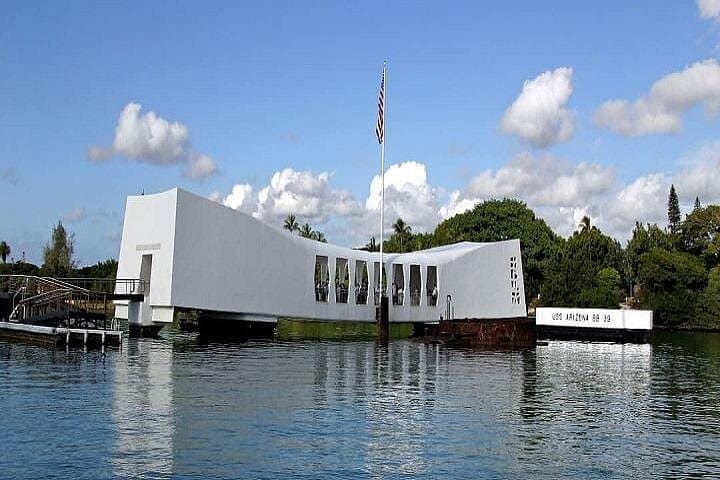
You step off an air‑conditioned van in the cool shade of the Pearl Harbor Visitor Center, the harbor spread like a low, glassy bowl before you. The guided narration begins on the road — maps of strategy, faces of sailors, and the sudden blur of a December morning in 1941. A short Navy boat cuts across the still water; the memorial waits, white and quiet, over the sunken hull.
Verified experiences and guided adventures in the surrounding area.
Operated by Aloha Sunshine Tours · Honolulu, Hawaii
You step off an air‑conditioned van in the cool shade of the Pearl Harbor Visitor Center, the harbor spread like a low, glassy bowl before you. The guided narration begins on the road — maps of strategy, faces of sailors, and the sudden blur of a December morning in 1941. A short Navy boat cuts across the still water; the memorial waits, white and quiet, over the sunken hull.
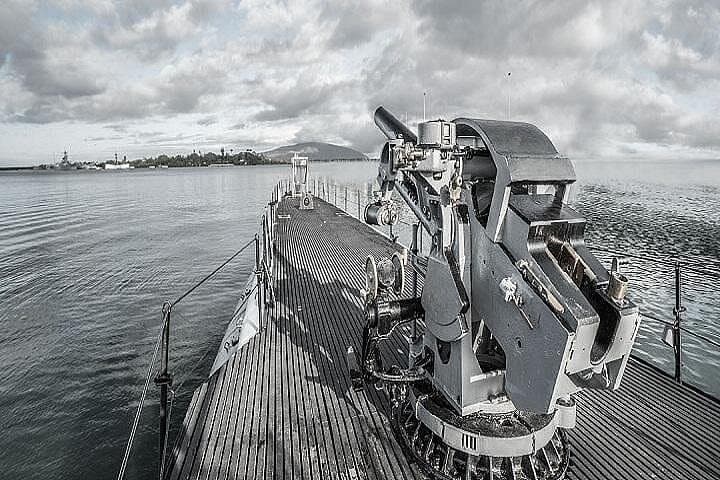
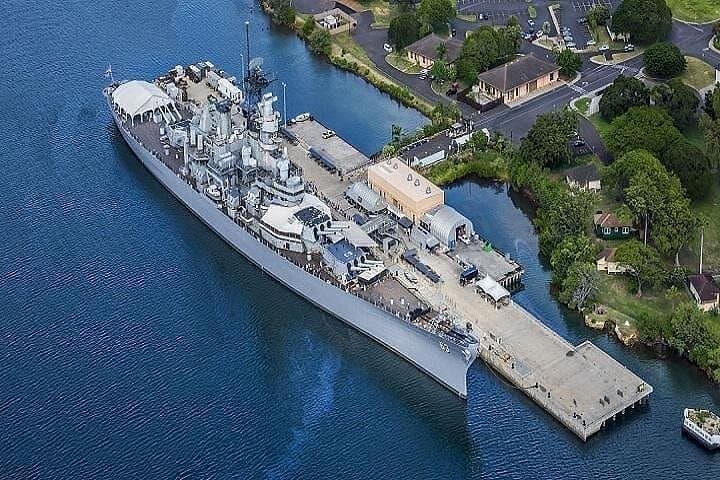
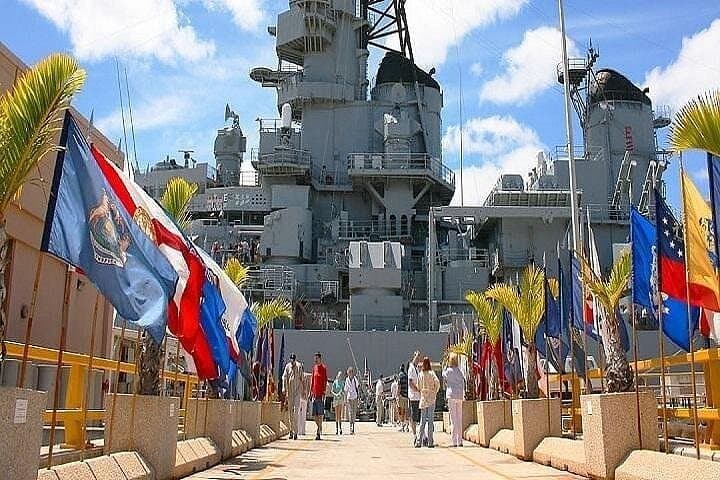
This tour threads together pivotal sites: the USS Arizona Memorial where 1,177 names mark lives lost during the surprise attack of December 7, 1941; Ford Island’s USS Oklahoma Memorial; and the deck of the USS Missouri, where Japan’s formal surrender was signed in 1945. Geologically, the harbor sits on Oʻahu’s lee side, its shallow basin shaped by ancient lava flows and coastal sediments, now ringed by military yards and the Punchbowl crater lookout.
Culturally, the route moves from military memory to Hawaiian history in downtown Honolulu — a quick glimpse of ʻIolani Palace and Kawaiahaʻo Church connects the islands’ monarchy to the strategic 20th‑century calculations that reshaped them.
Practical guidance: this is a full‑day outing (roughly 7–9 hours) with moderate walking and strict bag rules — clear plastic bags only or $7 storage. Bring photo ID, sunscreen, refillable water, and steady shoes. Expect moments of silence at the memorial; guides will cue times for reflection and questions. If you want museum access beyond the visitor center exhibits, opt for the complete Pearl Harbor Experience. Weather can close sites; the harbor’s calm can turn brisk under trade winds, but its history remains as present as the oil that still rises from the Arizona below.
easy.
7–9 hours.
Suitable for most travelers who can walk several city blocks and manage short stairways; not strenuous but involves standing and boarding boats.
No — this tour covers the visitor center exhibits, the USS Arizona Memorial boat ride, USS Oklahoma Memorial, and the USS Missouri deck tour; full museum access requires the Complete Pearl Harbor Experience upgrade.
Large purses and bags are not allowed. Clear plastic bags are permitted, or you can store bags on site for a $7 fee each; medical equipment exceptions are allowed.
Expect 7–9 hours (approximately 420–540 minutes) with pick‑up and drop‑off service in Waikiki included and an air‑conditioned vehicle for transfers.
The tour is suitable for most fitness levels but requires walking about four city blocks and boarding a boat; it is not recommended for those who cannot walk short distances or climb steps.
Pearl Harbor’s attack on December 7, 1941, drew the U.S. into World War II; the USS Missouri later hosted Japan’s formal surrender on September 2, 1945.
Visitors are asked to stay on designated paths, avoid dropping any objects into the water above the wreck, and follow bag and smoking restrictions to protect the memorial and its setting.
Aloha Sunshine Tours operates guided outdoor trips and adventures with an emphasis on safety, stewardship, and memorable experiences.
You step off an air‑conditioned van in the cool shade of the Pearl Harbor Visitor Center, the harbor spread like a low, glassy bowl before you. The guided narration begins on the road — maps of strategy, faces of sailors, and the sudden blur of a December morning in 1941. A short Navy boat cuts across the still water; the memorial waits, white and quiet, over the sunken hull.
You step off an air‑conditioned van in the cool shade of the Pearl Harbor Visitor Center, the harbor spread like a low, glassy bowl before you. The guided narration begins on the road — maps of strategy, faces of sailors, and the sudden blur of a December morning in 1941. A short Navy boat cuts across the still water; the memorial waits, white and quiet, over the sunken hull.
This tour threads together pivotal sites: the USS Arizona Memorial where 1,177 names mark lives lost during the surprise attack of December 7, 1941; Ford Island’s USS Oklahoma Memorial; and the deck of the USS Missouri, where Japan’s formal surrender was signed in 1945. Geologically, the harbor sits on Oʻahu’s lee side, its shallow basin shaped by ancient lava flows and coastal sediments, now ringed by military yards and the Punchbowl crater lookout.
Culturally, the route moves from military memory to Hawaiian history in downtown Honolulu — a quick glimpse of ʻIolani Palace and Kawaiahaʻo Church connects the islands’ monarchy to the strategic 20th‑century calculations that reshaped them.
Practical guidance: this is a full‑day outing (roughly 7–9 hours) with moderate walking and strict bag rules — clear plastic bags only or $7 storage. Bring photo ID, sunscreen, refillable water, and steady shoes. Expect moments of silence at the memorial; guides will cue times for reflection and questions. If you want museum access beyond the visitor center exhibits, opt for the complete Pearl Harbor Experience. Weather can close sites; the harbor’s calm can turn brisk under trade winds, but its history remains as present as the oil that still rises from the Arizona below.