THE ADVENTURE COLLECTIVE® · Independent discovery and booking for outdoor travel

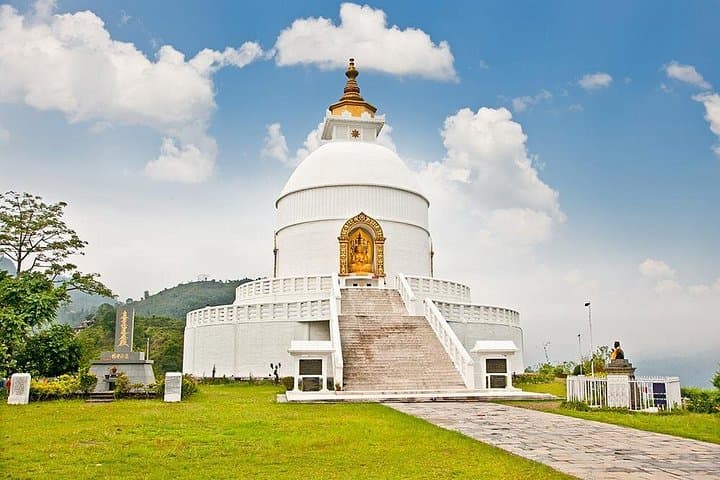
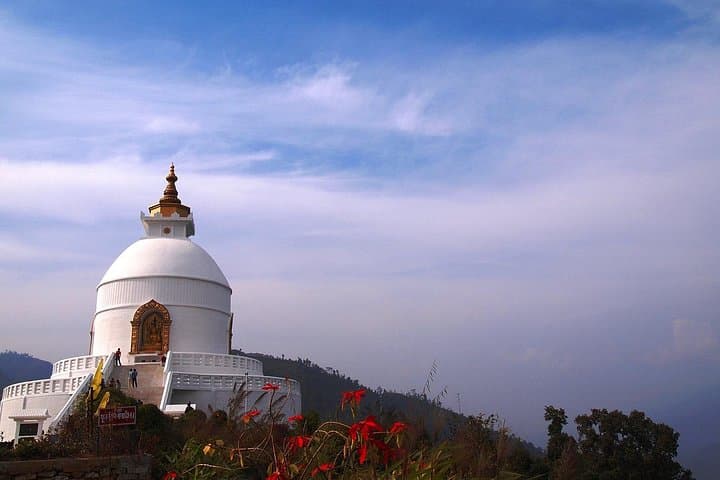
A private 4-hour hike from Pokhara’s Lakeside takes you by boat to a ridge trail that climbs through hill villages to the white Peace Stupa. Expect panoramic Himalayan views, cultural stops, and a gentle boat return across Phewa Lake.
A private 4-hour hike from Pokhara’s Lakeside takes you by boat to a ridge trail that climbs through hill villages to the white Peace Stupa. Expect panoramic Himalayan views, cultural stops, and a gentle boat return across Phewa Lake.
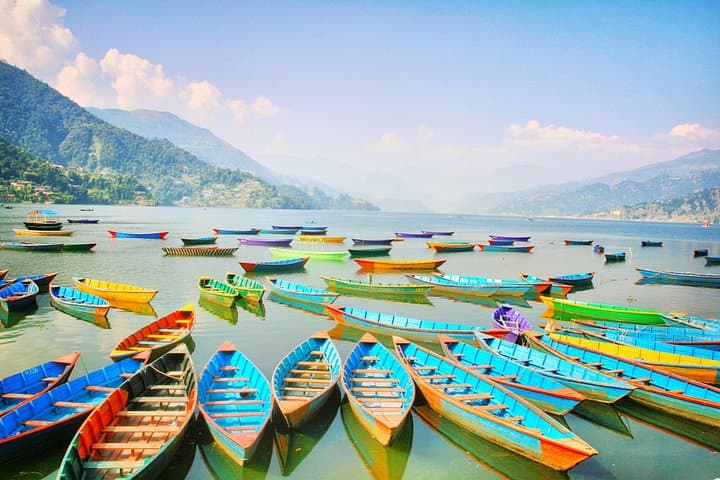
You start in Lakeside, the town’s low hum behind you, and step onto narrow streets that lead to a short boat crossing—Phewa Lake’s surface ripples as if urging you uphill.
Verified experiences and guided adventures in the surrounding area.
Operated by Nepal Tour & Trekking Services · Pokhara, Gandaki Province
You start in Lakeside, the town’s low hum behind you, and step onto narrow streets that lead to a short boat crossing—Phewa Lake’s surface ripples as if urging you uphill.
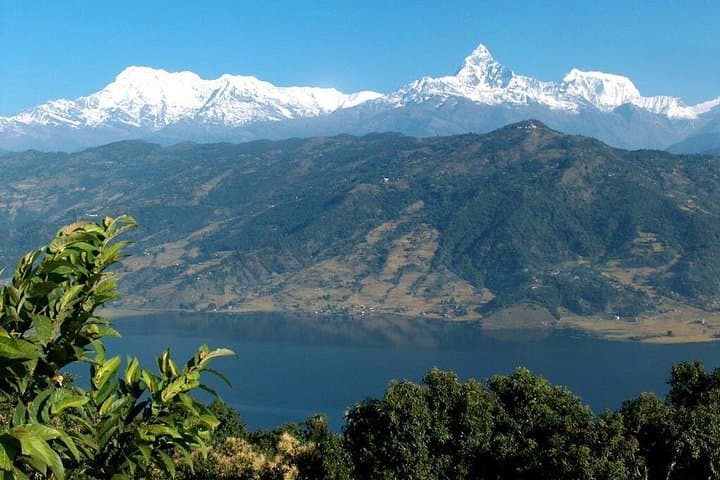
The trail climbs through scattered villages and terraced fields, where goats pick at grasses and wooden houses punctuate the slope. Built by Japanese Nipponzan Myohoji monks, the white Peace Stupa crowns the ridge; from its base the Annapurna range, Dhaulagiri and Machapuchare (Fishtail) shape the skyline like a folded map. Geologically, the ridge is young Himalayan foothill—steep, rocky switchbacks cut into weathered shale and clay that can be slippery after rain.
Culturally, the route threads local Tamang and Gurung settlements—stops where you’ll see prayer flags, simple shrines, and everyday life unfolding: drying maize, children running errands, and friendly greetings from terrace workers.
Practical guidance: the hike is a steady uphill of roughly 2–2.5 hours with a 1.5-hour descent; expect uneven stone steps and packed earth. Bring 1–2 liters of water, sun protection, and a light shell for wind near the summit. Start early to dodge midday clouds and to get clearer mountain views; photographers prefer dawn for low-angle light on the peaks.
The private guide manages the boat crossing and keeps pace suited to your group, making this an accessible way to experience Himalayan views without high altitude trekking. Stick to marked paths, pack out waste, and allow extra time at the stupa to soak in the panorama before the calming boat ride back to Lakeside.
moderate.
4 hours.
Suitable for hikers who can manage 2–3 hours of continuous uphill walking at a steady pace; basic stamina required.
The uphill section takes about 2–2.5 hours depending on pace and stops; the overall tour including boat crossings is roughly 4 hours.
Yes—the roundtrip boat ride across Phewa Lake (one leg about 20–25 minutes) is included to reach the trailhead and return to Lakeside.
The hike stays at low-to-moderate elevation around the Pokhara valley rim; altitude sickness is unlikely, but those with severe heart or spinal conditions should avoid it.
Basic restroom facilities are available near the Lakeside and at some village stops, but not reliably on the steep upper trail—plan accordingly.
The Peace Stupa was constructed by Japanese Nipponzan Myohoji monks as part of a post-war movement to promote world peace and was completed with local community support.
Stay on established trails to protect terraced agriculture and fragile slope vegetation; reduce single-use plastics—Phewa Lake has ongoing water-quality concerns.
Nepal Tour & Trekking Services operates guided outdoor trips and adventures with an emphasis on safety, stewardship, and memorable experiences.
You start in Lakeside, the town’s low hum behind you, and step onto narrow streets that lead to a short boat crossing—Phewa Lake’s surface ripples as if urging you uphill.
You start in Lakeside, the town’s low hum behind you, and step onto narrow streets that lead to a short boat crossing—Phewa Lake’s surface ripples as if urging you uphill.
The trail climbs through scattered villages and terraced fields, where goats pick at grasses and wooden houses punctuate the slope. Built by Japanese Nipponzan Myohoji monks, the white Peace Stupa crowns the ridge; from its base the Annapurna range, Dhaulagiri and Machapuchare (Fishtail) shape the skyline like a folded map. Geologically, the ridge is young Himalayan foothill—steep, rocky switchbacks cut into weathered shale and clay that can be slippery after rain.
Culturally, the route threads local Tamang and Gurung settlements—stops where you’ll see prayer flags, simple shrines, and everyday life unfolding: drying maize, children running errands, and friendly greetings from terrace workers.
Practical guidance: the hike is a steady uphill of roughly 2–2.5 hours with a 1.5-hour descent; expect uneven stone steps and packed earth. Bring 1–2 liters of water, sun protection, and a light shell for wind near the summit. Start early to dodge midday clouds and to get clearer mountain views; photographers prefer dawn for low-angle light on the peaks.
The private guide manages the boat crossing and keeps pace suited to your group, making this an accessible way to experience Himalayan views without high altitude trekking. Stick to marked paths, pack out waste, and allow extra time at the stupa to soak in the panorama before the calming boat ride back to Lakeside.