THE ADVENTURE COLLECTIVE® · Independent discovery and booking for outdoor travel

Go inside Paul John’s Goa distillery to see copper pot stills, barrel warehouses and underground cellars, then taste flagship single malts. This private four-hour tour pairs hands-on explanation with guided sensory tasting.
Go inside Paul John’s Goa distillery to see copper pot stills, barrel warehouses and underground cellars, then taste flagship single malts. This private four-hour tour pairs hands-on explanation with guided sensory tasting.
You step from humid Goan air into a corridor of polished copper, the metallic glow of pot stills catching light as aromas of cooked barley and warm oak reach out like a hand. The Paul John operation moves with purpose: mashing, distilling, and stacking barrels in warehouses whose cool, low-ceilinged cellars hold the slow work of flavor.
Verified experiences and guided adventures in the surrounding area.
Operated by TripBea · Panaji, Goa
You step from humid Goan air into a corridor of polished copper, the metallic glow of pot stills catching light as aromas of cooked barley and warm oak reach out like a hand. The Paul John operation moves with purpose: mashing, distilling, and stacking barrels in warehouses whose cool, low-ceilinged cellars hold the slow work of flavor.
Goa’s coastal geology—laterite soils and a maritime climate—helps shape local grains and the trade routes that once brought spices and spirits to these shores. The distillery itself is part of a recent wave of Indian single-malt producers building on both local tradition and modern craft. On the walk you’ll see hand-assembled copper pot stills, racked American and European oak casks, and an underground cellar where humidity and time do their work.
The guided tour explains mashing schedules, fermentation, and the significance of small-batch pot distillation, then moves into a seated tasting of core expressions (Brilliance, Edited, Bold). Expect sensory coaching—nose, palate, finish—and practical notes on storage and aging.
Plan four hours, bring government ID, and arrive with a sober plan for onward travel. Morning visits avoid the hottest part of the day; wear closed shoes for warehouse floors and a light layer for cool cellars. The experience balances craft education with tasting—ideal for curious travelers who want a grounded look at how a modern Indian single malt is made.
easy.
4 hours.
Suitable for all fitness levels; mostly standing and short walking on flat warehouse surfaces
Yes—guided tastings of Paul John’s flagship expressions (Brilliance, Edited, Bold) are included as part of the visit.
Minors can join but must be accompanied by an adult; alcohol tastings are restricted and ID checks are enforced.
Private transfers are listed as included—confirm pickup location and time when booking to avoid delays.
Book as early as possible, especially during peak season (November–February); same-day slots are limited for private tours.
Goa’s long history as a maritime trading hub and Portuguese colony influenced local tastes and fermentation traditions; modern single-malt production in Goa builds on that export-oriented culture.
Distillation uses significant water and energy; visitors are encouraged to follow site rules, avoid single-use plastics, and support operators who prioritize water recycling and waste reduction.
TripBea operates guided outdoor trips and adventures with an emphasis on safety, stewardship, and memorable experiences.
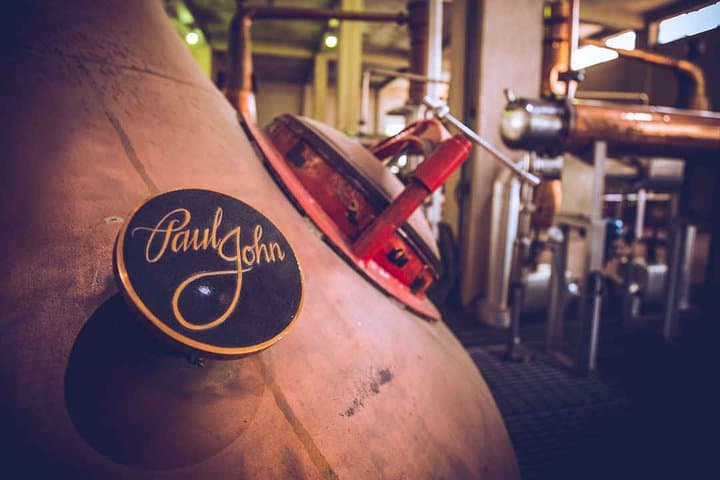
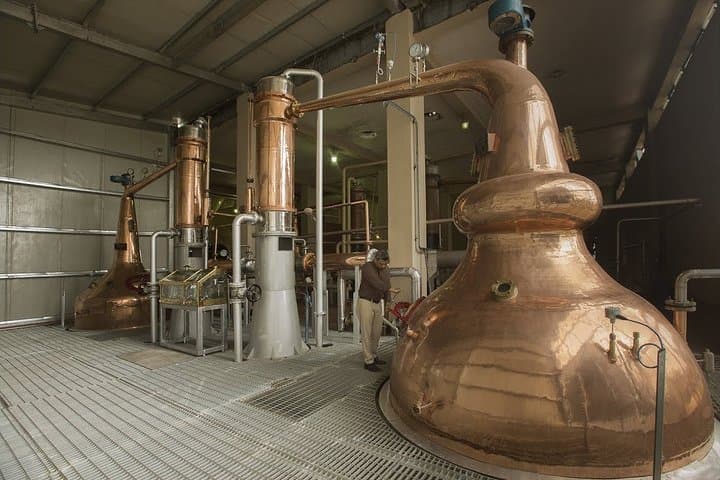


You step from humid Goan air into a corridor of polished copper, the metallic glow of pot stills catching light as aromas of cooked barley and warm oak reach out like a hand. The Paul John operation moves with purpose: mashing, distilling, and stacking barrels in warehouses whose cool, low-ceilinged cellars hold the slow work of flavor.
You step from humid Goan air into a corridor of polished copper, the metallic glow of pot stills catching light as aromas of cooked barley and warm oak reach out like a hand. The Paul John operation moves with purpose: mashing, distilling, and stacking barrels in warehouses whose cool, low-ceilinged cellars hold the slow work of flavor.
Goa’s coastal geology—laterite soils and a maritime climate—helps shape local grains and the trade routes that once brought spices and spirits to these shores. The distillery itself is part of a recent wave of Indian single-malt producers building on both local tradition and modern craft. On the walk you’ll see hand-assembled copper pot stills, racked American and European oak casks, and an underground cellar where humidity and time do their work.
The guided tour explains mashing schedules, fermentation, and the significance of small-batch pot distillation, then moves into a seated tasting of core expressions (Brilliance, Edited, Bold). Expect sensory coaching—nose, palate, finish—and practical notes on storage and aging.
Plan four hours, bring government ID, and arrive with a sober plan for onward travel. Morning visits avoid the hottest part of the day; wear closed shoes for warehouse floors and a light layer for cool cellars. The experience balances craft education with tasting—ideal for curious travelers who want a grounded look at how a modern Indian single malt is made.