THE ADVENTURE COLLECTIVE® · Independent discovery and booking for outdoor travel

Wander the Four-Regions Pattaya Floating Market with hotel transfer included—sample regional dishes, shop handcrafted goods, and learn how Thailand’s river-trade culture still shapes daily life. This guided visit is an easy, sensory introduction to regional cuisine and crafts.
Wander the Four-Regions Pattaya Floating Market with hotel transfer included—sample regional dishes, shop handcrafted goods, and learn how Thailand’s river-trade culture still shapes daily life. This guided visit is an easy, sensory introduction to regional cuisine and crafts.
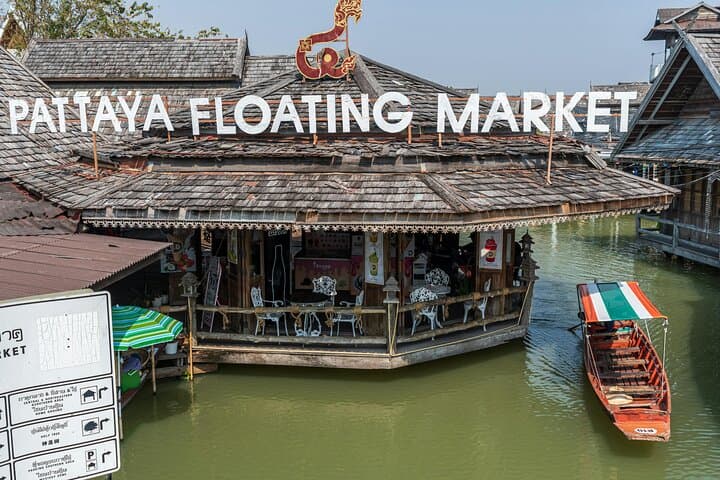
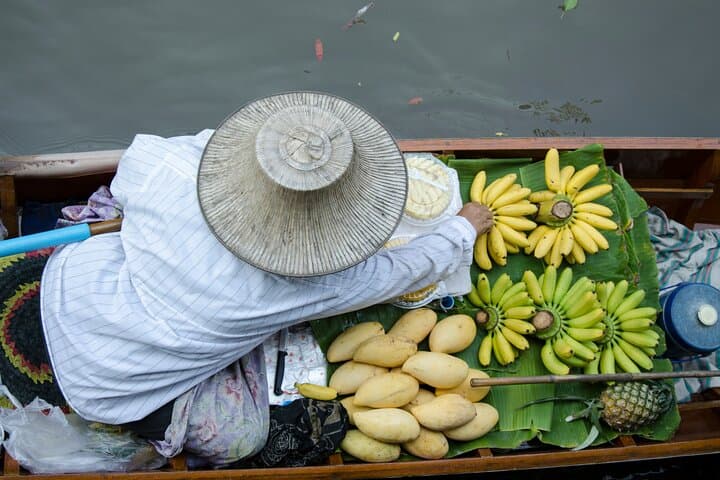
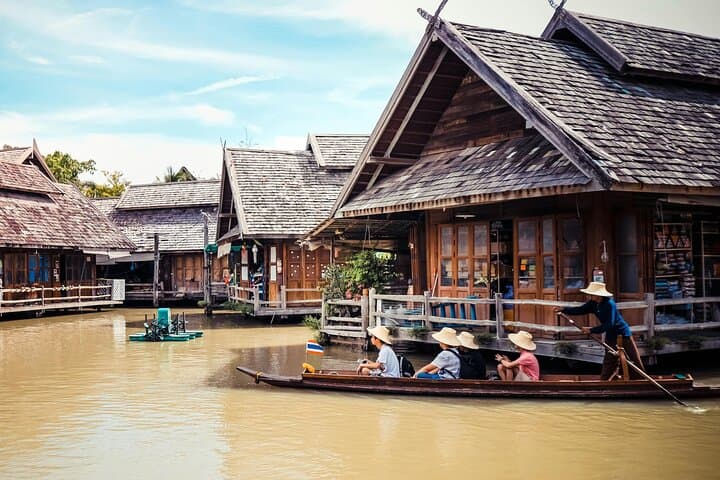
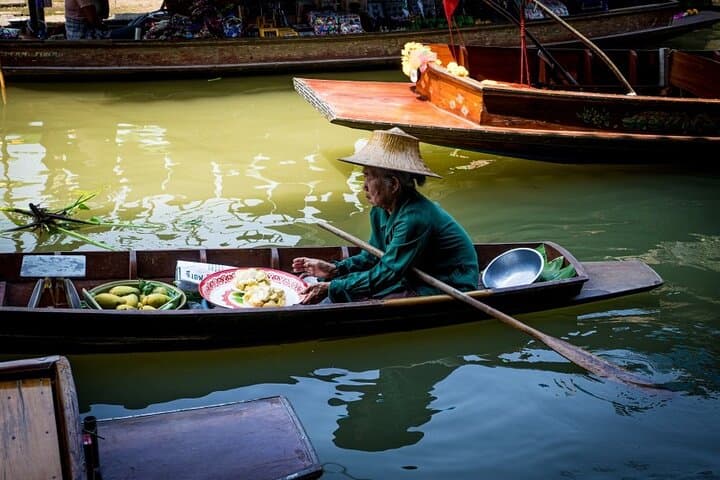
You step out of the air‑conditioned shuttle and into a corridor of wooden stalls and slow-moving canals. Boats rock gently as vendors call out specialties; the water seems to nudge you toward the next plate of grilled seafood or the lacquered tray of northern sweets. Morning light picks out lacquer and fabric, and the market quickly lays out its character—regional produce, practiced bargaining, and the scent of coconut milk and fried batter.
Verified experiences and guided adventures in the surrounding area.
Operated by Sightseeing Pattaya · Pattaya, Chonburi
You step out of the air‑conditioned shuttle and into a corridor of wooden stalls and slow-moving canals. Boats rock gently as vendors call out specialties; the water seems to nudge you toward the next plate of grilled seafood or the lacquered tray of northern sweets. Morning light picks out lacquer and fabric, and the market quickly lays out its character—regional produce, practiced bargaining, and the scent of coconut milk and fried batter.
The Pattaya Floating Market was developed to recreate Thailand’s historic river-trade hubs, organized here into displays from the North, South, Central and Northeastern regions. Geologically the site sits on the coastal plains near the Gulf of Thailand where klongs (canals) once carried rice, salt and goods—today those same channels stage a living cultural exhibit. Vendors demonstrate regional crafts and dishes: try a northern noodle or a spicy southern curry to contrast the mellow central Thai sweets.
Practical guidance: the tour runs about 3–4 hours with included hotel pickup and drop-off, so plan for a morning or early afternoon visit to avoid the midday heat. Bring cash in small denominations for food stalls and tips; many vendors prefer baht. Wear comfortable shoes—paths are a mix of boardwalk, concrete and occasional mud—and a hat and sunscreen. Photography is welcome, but ask before shooting people close up. If you want fewer crowds, request an earlier pickup when the market is just starting to arrange goods. The experience is cultural more than strenuous: expect light walking, close-quarters aisles, and a lively atmosphere that teaches more about Thailand’s regions than a guidebook can convey.
easy.
3–4 hours.
Light activity and walking suitable for most travelers; minimal elevation or stamina required.
Yes—round-trip transfer from Pattaya hotels is included; confirm your pickup point at booking.
The tour runs approximately 3–4 hours including transfers, with about 1.5–2 hours at the market itself.
Yes—tour notes indicate the experience is easy; infants must sit on an adult’s lap during vehicle transfer.
Admission is included, but food and purchases at stalls are not—bring cash for tasting regional dishes.
The market recreates Thailand’s canal trade culture and groups vendors to represent the country’s four regions, echoing centuries of regional exchange along rivers.
Waste from markets can stress local waterways—use provided bins, minimize plastic, and support vendors using reusable packaging where possible.
Sightseeing Pattaya operates guided outdoor trips and adventures with an emphasis on safety, stewardship, and memorable experiences.
You step out of the air‑conditioned shuttle and into a corridor of wooden stalls and slow-moving canals. Boats rock gently as vendors call out specialties; the water seems to nudge you toward the next plate of grilled seafood or the lacquered tray of northern sweets. Morning light picks out lacquer and fabric, and the market quickly lays out its character—regional produce, practiced bargaining, and the scent of coconut milk and fried batter.
You step out of the air‑conditioned shuttle and into a corridor of wooden stalls and slow-moving canals. Boats rock gently as vendors call out specialties; the water seems to nudge you toward the next plate of grilled seafood or the lacquered tray of northern sweets. Morning light picks out lacquer and fabric, and the market quickly lays out its character—regional produce, practiced bargaining, and the scent of coconut milk and fried batter.
The Pattaya Floating Market was developed to recreate Thailand’s historic river-trade hubs, organized here into displays from the North, South, Central and Northeastern regions. Geologically the site sits on the coastal plains near the Gulf of Thailand where klongs (canals) once carried rice, salt and goods—today those same channels stage a living cultural exhibit. Vendors demonstrate regional crafts and dishes: try a northern noodle or a spicy southern curry to contrast the mellow central Thai sweets.
Practical guidance: the tour runs about 3–4 hours with included hotel pickup and drop-off, so plan for a morning or early afternoon visit to avoid the midday heat. Bring cash in small denominations for food stalls and tips; many vendors prefer baht. Wear comfortable shoes—paths are a mix of boardwalk, concrete and occasional mud—and a hat and sunscreen. Photography is welcome, but ask before shooting people close up. If you want fewer crowds, request an earlier pickup when the market is just starting to arrange goods. The experience is cultural more than strenuous: expect light walking, close-quarters aisles, and a lively atmosphere that teaches more about Thailand’s regions than a guidebook can convey.