THE ADVENTURE COLLECTIVE® · Independent discovery and booking for outdoor travel

Explore Patsos Gorge and the River Dam, descend into Agios Antonios cave, and visit the historic Arkadi Monastery on a private day tour from Rethymnon. This guided route blends geology, wildlife viewing and Cretan history with an included lunch and transport.
Explore Patsos Gorge and the River Dam, descend into Agios Antonios cave, and visit the historic Arkadi Monastery on a private day tour from Rethymnon. This guided route blends geology, wildlife viewing and Cretan history with an included lunch and transport.
You step out of the air‑conditioned van onto a ribbon of sunlit road carved into Crete’s limestone backbone. Olive groves ripple on the slopes while a narrow track drops toward Patsos Gorge; the river below murmurs like a dare. The first stretch leads into the cave of Agios Antonios where stalactites hang like slow, patient teeth and the cool hush contrasts the open landscape.
Verified experiences and guided adventures in the surrounding area.
Operated by Way to Crete · Rethymnon, Crete
You step out of the air‑conditioned van onto a ribbon of sunlit road carved into Crete’s limestone backbone. Olive groves ripple on the slopes while a narrow track drops toward Patsos Gorge; the river below murmurs like a dare. The first stretch leads into the cave of Agios Antonios where stalactites hang like slow, patient teeth and the cool hush contrasts the open landscape.
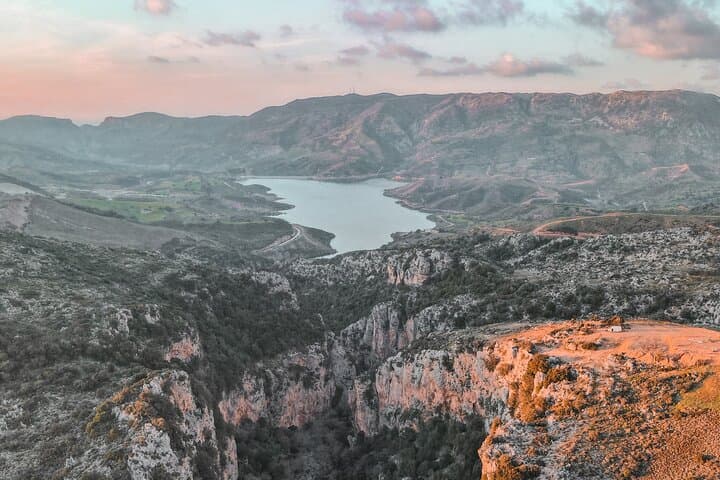
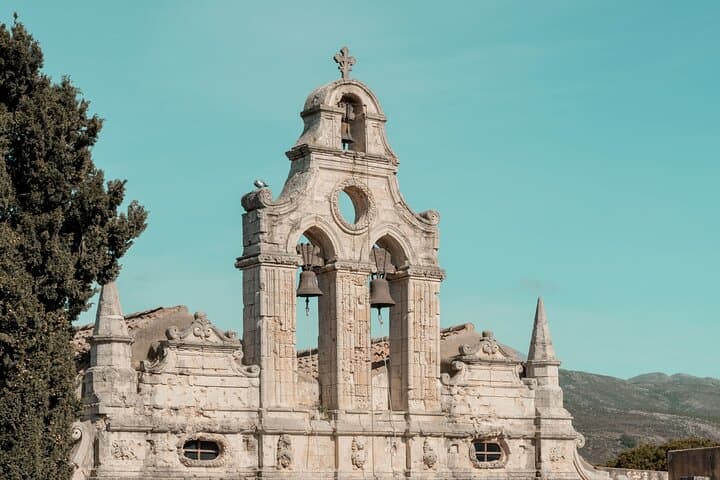
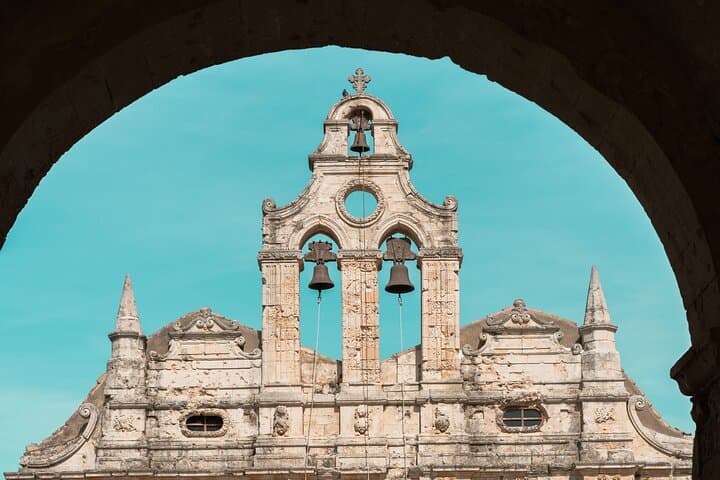
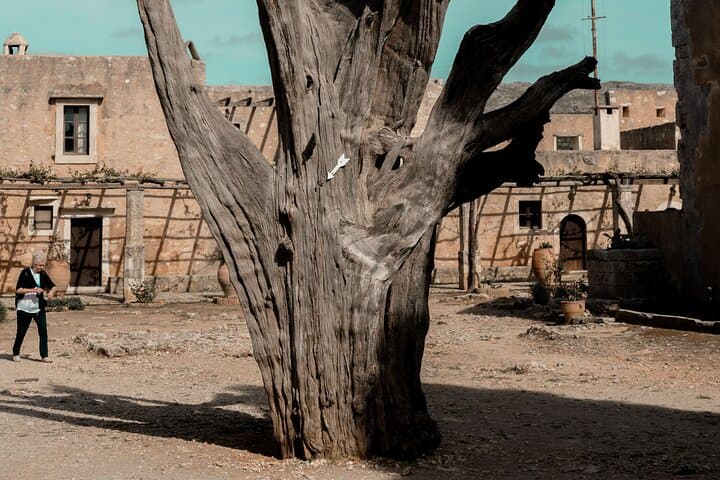
Geology here is blunt and honest: limestone uplifted by tectonics, cut by winter torrents into tight gorges and small dams that gather the island’s scarce water. The River Dam (Potamon) collects those seasonal flows, creating reed edges and pockets of habitat where local birds and small mammals concentrate. Culturally the route finishes at Arkadi Monastery — a 16th‑century complex that became emblematic during the 1866 Cretan uprising when defenders made a desperate stand; the monastery’s chapel and museum narrate that story through stone and relics.
Expect a mix of short walks, a guided cave visit, time at the dam for photos and wildlife watching, and a measured visit to Arkadi with included entrance and lunch. Practical notes: comfortable walking shoes with grip, sun protection, and a light layer for the cave are worthwhile. Hydrate before you start; the tour covers country roads and brief uneven paths but is accessible for most walkers. Morning light is best for photography and for warmer months, avoid the midday heat. The tour balances history, geology and active exploration — a compact day that makes Crete’s interior feel immediate and tangible.
moderate.
6–7 hours.
Suitable for walkers with basic fitness who can manage short, uneven trails and stairs inside the monastery and cave.
Yes — private air‑conditioned transport is included from the agreed pickup point in the Rethymnon area.
Yes — entrance tickets to Arkadi Monastery are included with this tour.
The cave visit involves uneven ground and low ceilings; while the tour notes stroller access for some sections, small children should be carried through the cave.
Wear comfortable walking clothes, closed-toe shoes, a sun hat in summer, and a light layer for the cave and monastery interiors.
Arkadi Monastery dates to the Ottoman period but is most famous for the 1866 event during the Cretan uprising when defenders resisted Ottoman forces, an episode central to modern Cretan identity.
The area’s water infrastructure and popular monuments require delicate management—stick to paths, avoid disturbing riparian vegetation, and follow guides’ instructions to reduce erosion and litter.
Way to Crete operates guided outdoor trips and adventures with an emphasis on safety, stewardship, and memorable experiences.
You step out of the air‑conditioned van onto a ribbon of sunlit road carved into Crete’s limestone backbone. Olive groves ripple on the slopes while a narrow track drops toward Patsos Gorge; the river below murmurs like a dare. The first stretch leads into the cave of Agios Antonios where stalactites hang like slow, patient teeth and the cool hush contrasts the open landscape.
You step out of the air‑conditioned van onto a ribbon of sunlit road carved into Crete’s limestone backbone. Olive groves ripple on the slopes while a narrow track drops toward Patsos Gorge; the river below murmurs like a dare. The first stretch leads into the cave of Agios Antonios where stalactites hang like slow, patient teeth and the cool hush contrasts the open landscape.
Geology here is blunt and honest: limestone uplifted by tectonics, cut by winter torrents into tight gorges and small dams that gather the island’s scarce water. The River Dam (Potamon) collects those seasonal flows, creating reed edges and pockets of habitat where local birds and small mammals concentrate. Culturally the route finishes at Arkadi Monastery — a 16th‑century complex that became emblematic during the 1866 Cretan uprising when defenders made a desperate stand; the monastery’s chapel and museum narrate that story through stone and relics.
Expect a mix of short walks, a guided cave visit, time at the dam for photos and wildlife watching, and a measured visit to Arkadi with included entrance and lunch. Practical notes: comfortable walking shoes with grip, sun protection, and a light layer for the cave are worthwhile. Hydrate before you start; the tour covers country roads and brief uneven paths but is accessible for most walkers. Morning light is best for photography and for warmer months, avoid the midday heat. The tour balances history, geology and active exploration — a compact day that makes Crete’s interior feel immediate and tangible.