THE ADVENTURE COLLECTIVE® · Independent discovery and booking for outdoor travel

Learn to make Thai curry paste by hand and shop a local market with instructors who translate traditional techniques for home kitchens. This three-hour hands-on class in Phuket pairs sensory market tours with step-by-step cooking and recipes emailed afterward.
Learn to make Thai curry paste by hand and shop a local market with instructors who translate traditional techniques for home kitchens. This three-hour hands-on class in Phuket pairs sensory market tours with step-by-step cooking and recipes emailed afterward.
Steam rises from a wok and the air tilts toward citrus and chili as you step into a bright teaching kitchen on Phuket’s western coast. The market’s calls still echo in your ears if you took the optional morning tour: vendors slicing green mango, sellers nudging you toward fragrant galangal and bundles of kaffir leaves. Inside the classroom every station hums with knives, mortar and pestle, and an instructor ready to translate local technique into recipes you can replicate at home.
Verified experiences and guided adventures in the surrounding area.
Operated by Phuket Thai Cooking Class by Chef VJ · Phuket, Phuket
Steam rises from a wok and the air tilts toward citrus and chili as you step into a bright teaching kitchen on Phuket’s western coast. The market’s calls still echo in your ears if you took the optional morning tour: vendors slicing green mango, sellers nudging you toward fragrant galangal and bundles of kaffir leaves. Inside the classroom every station hums with knives, mortar and pestle, and an instructor ready to translate local technique into recipes you can replicate at home.
Phuket’s food reflects its history: Malay and Chinese trading routes, Muslim southern Thailand, and a tin-mining boom that brought diverse communities together. That mix shows up in the choice of curries—Massaman’s warming spices, green curry’s sharp coconut tang—and in the market’s plates of fresh seafood drawn from the Andaman Sea. Geology and climate matter here too; Phuket’s coastal waters and tropical orchards supply shrimp, fish, and tropical fruits that define regional dishes.
The experience is practical and sensory—learn to pound curry paste by hand, balance fish sauce with lime, and plate mango sticky rice. Instructors demonstrate ingredient swaps for international kitchens and email recipes after class so you can recreate favorite dishes.
Practical notes: classes run about three hours, many include free transfers from Patong/Kata areas, and vegetarian/halal options are available by request. Expect hands-on chopping, hot oil, and a lively pace; closed-toe shoes and light clothing help. Bring a camera, an appetite, and questions—the best souvenirs from Phuket are skills you can cook for years to come.
easy.
3 hours.
Light physical activity: standing, chopping, and light walking during market tours; suitable for most fitness levels
Yes—vegetarian, vegan, gluten-free, and halal classes are available upon request; indicate dietary needs when booking.
Free round-trip transfers are offered from many Phuket neighborhoods (Patong, Kata, Karon, Rawai, Nai Harn) for classes with market tours—confirm pickup details at booking.
You eat what you prepare during class and can take home any leftovers; instructors also email recipes after the session.
Absolutely—chefs provide step-by-step instruction and demonstrate basic knife work, seasoning, and traditional techniques like pounding curry paste.
Phuket’s cuisine reflects centuries of trade and migration—Malay, Chinese, and Muslim influences combined with the island’s tin-mining prosperity to shape local dishes like Massaman and pineapple fried rice.
Choose sustainable seafood and minimize single-use plastics; supporting local markets and classes that source responsibly helps reduce pressure on coastal fisheries.
Phuket Thai Cooking Class by Chef VJ operates guided outdoor trips and adventures with an emphasis on safety, stewardship, and memorable experiences.
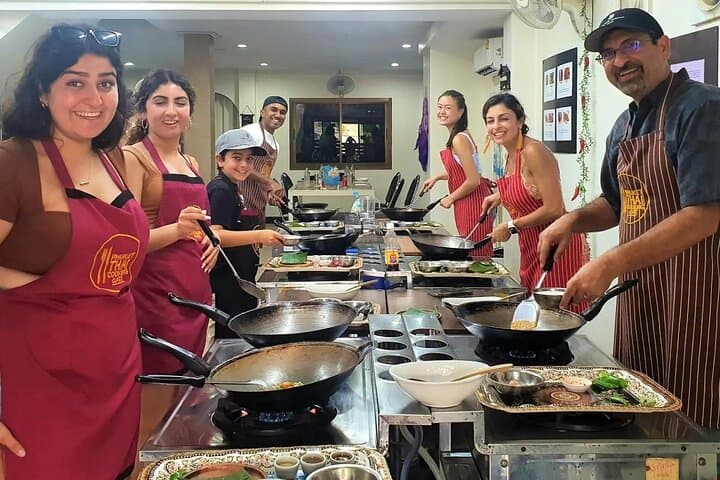
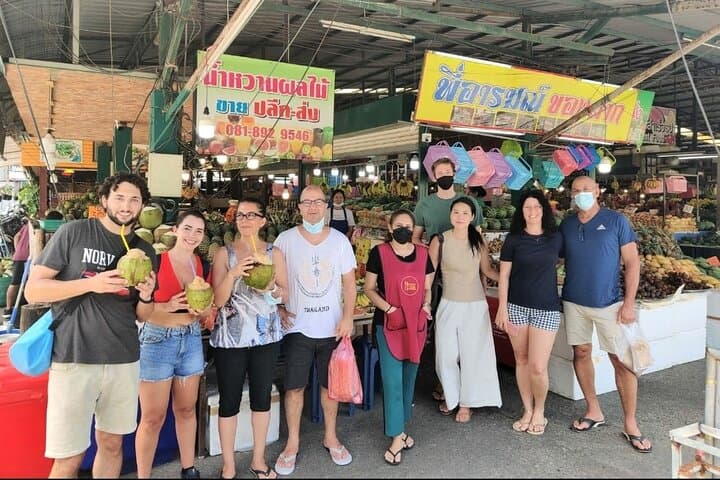
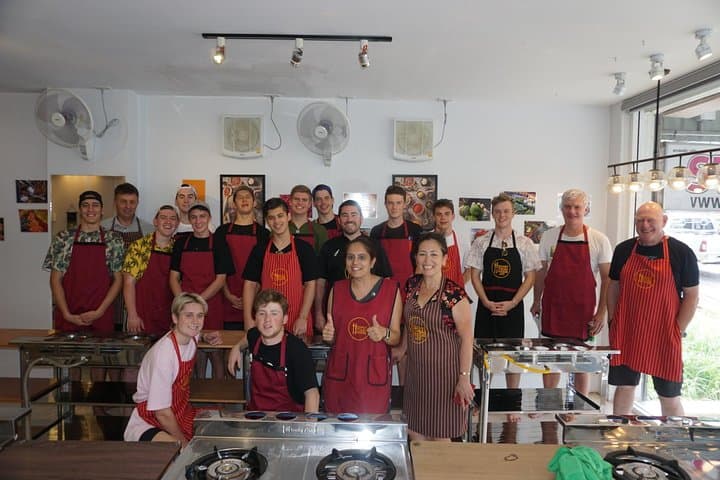
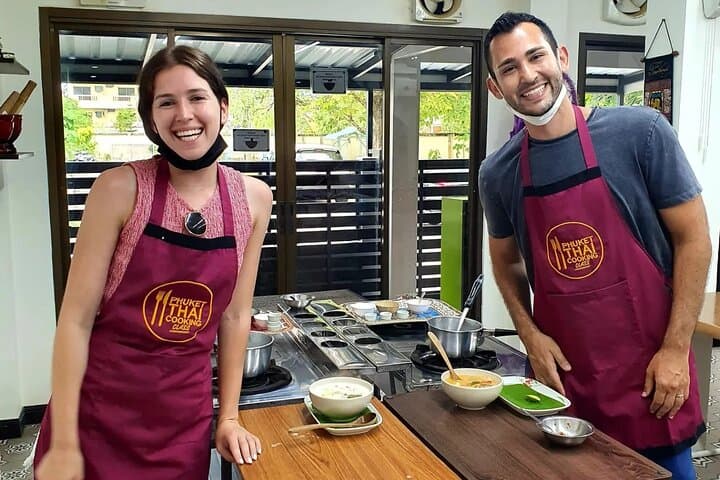
Steam rises from a wok and the air tilts toward citrus and chili as you step into a bright teaching kitchen on Phuket’s western coast. The market’s calls still echo in your ears if you took the optional morning tour: vendors slicing green mango, sellers nudging you toward fragrant galangal and bundles of kaffir leaves. Inside the classroom every station hums with knives, mortar and pestle, and an instructor ready to translate local technique into recipes you can replicate at home.
Steam rises from a wok and the air tilts toward citrus and chili as you step into a bright teaching kitchen on Phuket’s western coast. The market’s calls still echo in your ears if you took the optional morning tour: vendors slicing green mango, sellers nudging you toward fragrant galangal and bundles of kaffir leaves. Inside the classroom every station hums with knives, mortar and pestle, and an instructor ready to translate local technique into recipes you can replicate at home.
Phuket’s food reflects its history: Malay and Chinese trading routes, Muslim southern Thailand, and a tin-mining boom that brought diverse communities together. That mix shows up in the choice of curries—Massaman’s warming spices, green curry’s sharp coconut tang—and in the market’s plates of fresh seafood drawn from the Andaman Sea. Geology and climate matter here too; Phuket’s coastal waters and tropical orchards supply shrimp, fish, and tropical fruits that define regional dishes.
The experience is practical and sensory—learn to pound curry paste by hand, balance fish sauce with lime, and plate mango sticky rice. Instructors demonstrate ingredient swaps for international kitchens and email recipes after class so you can recreate favorite dishes.
Practical notes: classes run about three hours, many include free transfers from Patong/Kata areas, and vegetarian/halal options are available by request. Expect hands-on chopping, hot oil, and a lively pace; closed-toe shoes and light clothing help. Bring a camera, an appetite, and questions—the best souvenirs from Phuket are skills you can cook for years to come.