THE ADVENTURE COLLECTIVE® · Independent discovery and booking for outdoor travel

Experience live Muay Thai in Patong: raw, loud and rooted in Thai fighting tradition. This guide explains what to expect at Patong Boxing Stadium—fight nights, training options, and practical tips to plan your visit.
Experience live Muay Thai in Patong: raw, loud and rooted in Thai fighting tradition. This guide explains what to expect at Patong Boxing Stadium—fight nights, training options, and practical tips to plan your visit.
The floodlights cut a hard circle on the ring as the crowd leans forward—sweat, shouted counts and the distant tide from Patong Beach blending into the evening. Arrive early enough to feel the pre-fight energy: trainers pacing, gloves thumping, vendors calling out grilled snacks and lemongrass tea. The stadium sits a few blocks inland from the Andaman Sea, where the warm trade winds push humidity across the stands and into your shirt.
Verified experiences and guided adventures in the surrounding area.
Operated by Phuket Together Tour · Patong, Phuket
The floodlights cut a hard circle on the ring as the crowd leans forward—sweat, shouted counts and the distant tide from Patong Beach blending into the evening. Arrive early enough to feel the pre-fight energy: trainers pacing, gloves thumping, vendors calling out grilled snacks and lemongrass tea. The stadium sits a few blocks inland from the Andaman Sea, where the warm trade winds push humidity across the stands and into your shirt.
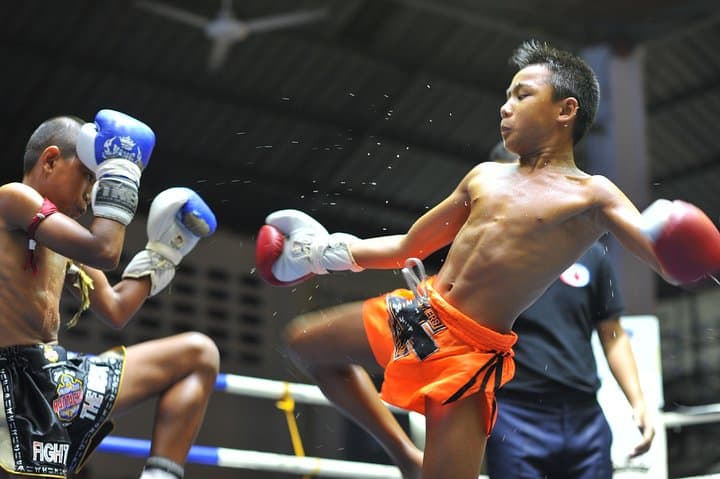
Muay Thai is Thailand’s national sport, with techniques rooted in centuries of battlefield training; modern stadiums like Patong stage both competitive cards and community classes that keep that lineage live. Geologically, Phuket’s low limestone hills and coastal plain concentrate urban activity along the west coast—Patong’s neon spine and the stadium’s compact footprint are part of that coastal pattern. Culturally, a fight night is equal parts sport and social ritual: expect betting kiosks, ring girls, and loud local commentary.
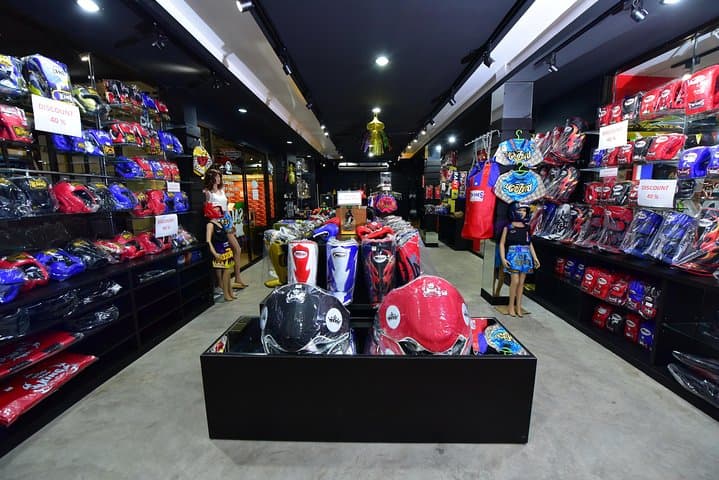
Practical guidance: shows run most Monday, Thursday and Saturday nights; VIP seats often include shuttle transfer. For spectators, bring cash for food and small bets, wear breathable clothing and arrive 30–45 minutes early to take seats and catch the ringwalk. If you want a training session, inquire in advance about levels and gloves—classes range from an introductory one-hour workout to multi-week training programs.
Accessibility is straightforward—wheelchair access and transfers are commonly available—yet the stadium can be humid and noisy. Respect local etiquette: avoid disruptive phone flashes during matches, and tip trainers if you join a class. Whether you come to watch or to throw your first roundhouse, the experience is visceral, direct and distinctly Phuket.
easy.
4–5 hours.
Spectators need no special fitness; training options range from beginner-friendly cardio sessions to demanding multi-week camps for fit participants.
Regular cards typically run Monday, Thursday and Saturday nights; check the local schedule and book in advance for VIP seating or shuttle service.
Yes—introductory sessions are offered for fitness and experience; notify the organizer of your level so they can place you in an appropriate class.
Yes; the venue and shuttle transfer options typically accommodate wheelchairs, but confirm accessibility needs at booking.
Local, small-scale betting kiosks are common at Thai fight nights; use cash and observe local rules—gambling laws and practices vary by venue.
Muay Thai evolved from centuries of Siamese military combat; modern stadiums are community hubs where tradition and commercial sport meet.
Patong’s tourism footprint strains plastics and local waste streams—carry a refillable bottle, avoid single-use plastics, and support vendors using reusable serving materials.
Phuket Together Tour operates guided outdoor trips and adventures with an emphasis on safety, stewardship, and memorable experiences.
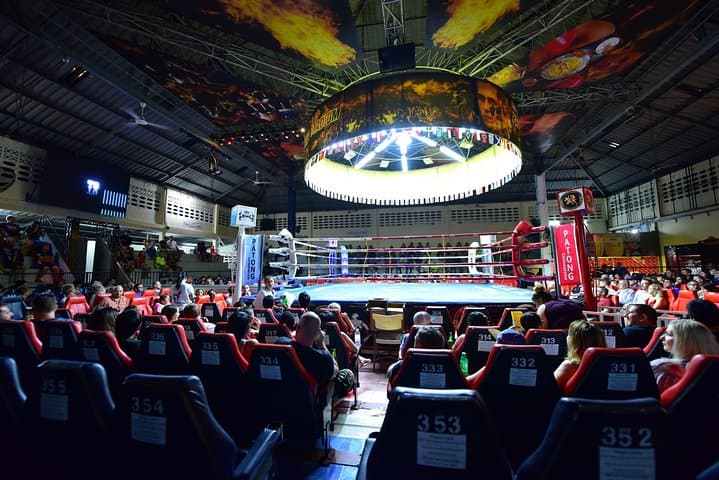
The floodlights cut a hard circle on the ring as the crowd leans forward—sweat, shouted counts and the distant tide from Patong Beach blending into the evening. Arrive early enough to feel the pre-fight energy: trainers pacing, gloves thumping, vendors calling out grilled snacks and lemongrass tea. The stadium sits a few blocks inland from the Andaman Sea, where the warm trade winds push humidity across the stands and into your shirt.
The floodlights cut a hard circle on the ring as the crowd leans forward—sweat, shouted counts and the distant tide from Patong Beach blending into the evening. Arrive early enough to feel the pre-fight energy: trainers pacing, gloves thumping, vendors calling out grilled snacks and lemongrass tea. The stadium sits a few blocks inland from the Andaman Sea, where the warm trade winds push humidity across the stands and into your shirt.
Muay Thai is Thailand’s national sport, with techniques rooted in centuries of battlefield training; modern stadiums like Patong stage both competitive cards and community classes that keep that lineage live. Geologically, Phuket’s low limestone hills and coastal plain concentrate urban activity along the west coast—Patong’s neon spine and the stadium’s compact footprint are part of that coastal pattern. Culturally, a fight night is equal parts sport and social ritual: expect betting kiosks, ring girls, and loud local commentary.
Practical guidance: shows run most Monday, Thursday and Saturday nights; VIP seats often include shuttle transfer. For spectators, bring cash for food and small bets, wear breathable clothing and arrive 30–45 minutes early to take seats and catch the ringwalk. If you want a training session, inquire in advance about levels and gloves—classes range from an introductory one-hour workout to multi-week training programs.
Accessibility is straightforward—wheelchair access and transfers are commonly available—yet the stadium can be humid and noisy. Respect local etiquette: avoid disruptive phone flashes during matches, and tip trainers if you join a class. Whether you come to watch or to throw your first roundhouse, the experience is visceral, direct and distinctly Phuket.