THE ADVENTURE COLLECTIVE® · Independent discovery and booking for outdoor travel

Walk from Malapara to Jorasanko with an app-driven audio guide that brings the Tagore family’s streets to life. This 90–115 minute self-paced tour pairs expert narration with local soundscapes so you can explore historic Kolkata on your own schedule.
Walk from Malapara to Jorasanko with an app-driven audio guide that brings the Tagore family’s streets to life. This 90–115 minute self-paced tour pairs expert narration with local soundscapes so you can explore historic Kolkata on your own schedule.
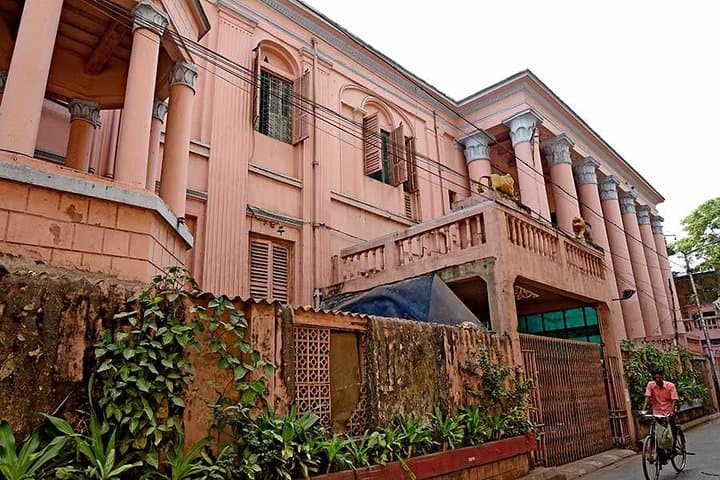
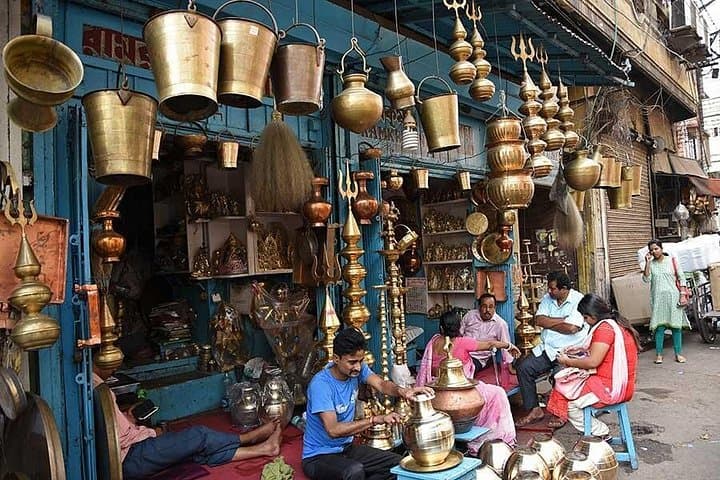
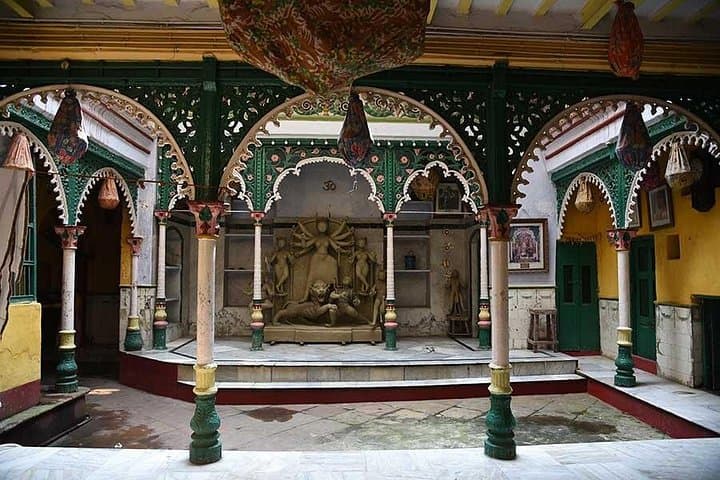
Start your walk just outside Girish Park as the city awakens: vendors arranging brass lamps, rickshaws creaking, and a narrow lane opening toward Malapara and Jorasanko. With headphones on, narration threads through the stone facades and courtyards, letting the Tagore family’s stories unspool in situ while you set the pace.
Verified experiences and guided adventures in the surrounding area.
Operated by HopOn India · Kolkata, West Bengal
Start your walk just outside Girish Park as the city awakens: vendors arranging brass lamps, rickshaws creaking, and a narrow lane opening toward Malapara and Jorasanko. With headphones on, narration threads through the stone facades and courtyards, letting the Tagore family’s stories unspool in situ while you set the pace.
This stretch of north Kolkata traces layers of history — eighteenth- and nineteenth-century merchant houses, mud-brick back alleys, and the Jorasanko Thakur Bari, the Tagores’ ancestral home where Rabindranath Tagore lived and wrote during the Bengal Renaissance. The nearby Hooghly River once determined trade routes and shaped these neighborhoods, leaving a city of compact lanes and sturdy colonial masonry.
Culturally, the walk connects music, literature, and daily life: expect references to Rabindra Sangeet, local theatre traditions, and the social reforms that circulated through these salons. The audio tour uses curated narration, music and occasional Qawwali textures to place scenes without a guide; content is accessible on demand and valid for the purchased period.
Practical guidance: the route is 1.5–2 hours on mostly flat pavement with occasional uneven cobbles. Travel light — a charged phone runs the app; wear supportive shoes and carry water. Aim for morning or late afternoon to avoid traffic and peak heat. Respect private residences and quiet courtyards; many buildings are lived-in or undergoing conservation work.
This self-guided walk blends urban history with sensory detail, ideal for travelers who want context, control, and the freedom to linger where the narration moves them.
easy.
1.5–2 hours.
Suitable for anyone who can walk unassisted for up to two hours; minimal fitness required
The app requires initial download and may stream content; download available route content and offline maps if supported, or ensure mobile data is available.
Many lanes are narrow with cobbles and occasional steps; wheelchair access is limited — contact the tour provider for specific accessibility options.
Narration is typically in English with local language references; check the booking page for additional language options before purchase.
You pay once for a multi-week validity period (check the app or booking confirmation for the exact three-month access window).
Jorasanko Thakur Bari was the Tagore family’s ancestral home and a hub of literary and artistic activity during the 19th-century Bengal Renaissance.
Several buildings are under heritage conservation; visitors should avoid touching fragile facades and support local preservation efforts by following signage and guidance.
HopOn India operates guided outdoor trips and adventures with an emphasis on safety, stewardship, and memorable experiences.

Start your walk just outside Girish Park as the city awakens: vendors arranging brass lamps, rickshaws creaking, and a narrow lane opening toward Malapara and Jorasanko. With headphones on, narration threads through the stone facades and courtyards, letting the Tagore family’s stories unspool in situ while you set the pace.
Start your walk just outside Girish Park as the city awakens: vendors arranging brass lamps, rickshaws creaking, and a narrow lane opening toward Malapara and Jorasanko. With headphones on, narration threads through the stone facades and courtyards, letting the Tagore family’s stories unspool in situ while you set the pace.
This stretch of north Kolkata traces layers of history — eighteenth- and nineteenth-century merchant houses, mud-brick back alleys, and the Jorasanko Thakur Bari, the Tagores’ ancestral home where Rabindranath Tagore lived and wrote during the Bengal Renaissance. The nearby Hooghly River once determined trade routes and shaped these neighborhoods, leaving a city of compact lanes and sturdy colonial masonry.
Culturally, the walk connects music, literature, and daily life: expect references to Rabindra Sangeet, local theatre traditions, and the social reforms that circulated through these salons. The audio tour uses curated narration, music and occasional Qawwali textures to place scenes without a guide; content is accessible on demand and valid for the purchased period.
Practical guidance: the route is 1.5–2 hours on mostly flat pavement with occasional uneven cobbles. Travel light — a charged phone runs the app; wear supportive shoes and carry water. Aim for morning or late afternoon to avoid traffic and peak heat. Respect private residences and quiet courtyards; many buildings are lived-in or undergoing conservation work.
This self-guided walk blends urban history with sensory detail, ideal for travelers who want context, control, and the freedom to linger where the narration moves them.