THE ADVENTURE COLLECTIVE® · Independent discovery and booking for outdoor travel

Follow a sea-facing trail through lemon groves, meet local growers, and end with pastries and Roman mosaics on this easy 3–4 hour Amalfi Coast walk. Expect terraces, coastal views, and hands-on lemon tasting.
Follow a sea-facing trail through lemon groves, meet local growers, and end with pastries and Roman mosaics on this easy 3–4 hour Amalfi Coast walk. Expect terraces, coastal views, and hands-on lemon tasting.
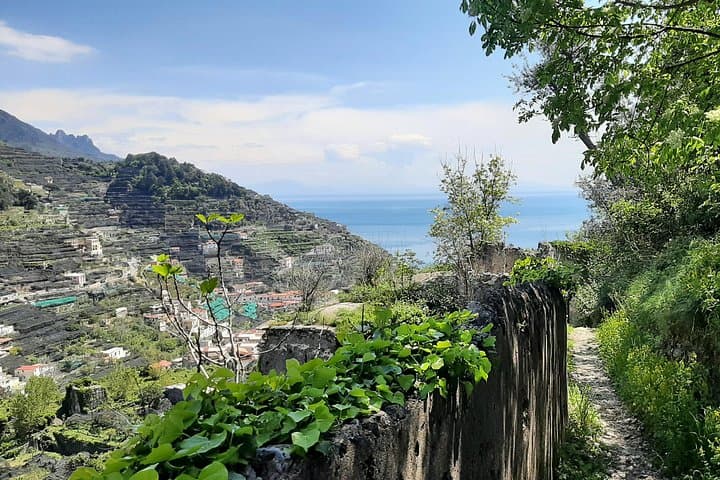
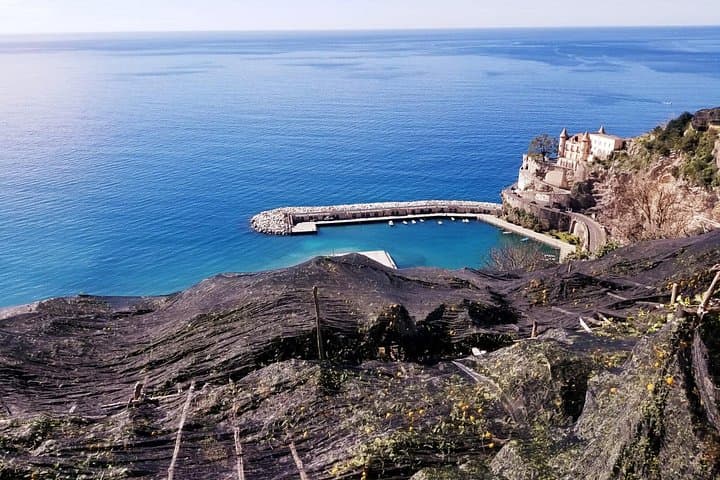
A steep terrace of citron-green trees presses against the cliff, the sea below pushing light into every leaf. You start on a narrow trail in the Lattari Mountains and quickly feel the coast opening—vineyards, carob, and rows of Sfusato Amalfitano lemons leaning toward the Tyrrhenian wind. Farmer Giovanni meets the group in a grove, guiding you between stone walls that mark centuries of cultivation and offering a taste of homemade granita and lemon salad.
Verified experiences and guided adventures in the surrounding area.
Operated by Trekking Amalfi Coast · Minori, Campania
A steep terrace of citron-green trees presses against the cliff, the sea below pushing light into every leaf. You start on a narrow trail in the Lattari Mountains and quickly feel the coast opening—vineyards, carob, and rows of Sfusato Amalfitano lemons leaning toward the Tyrrhenian wind. Farmer Giovanni meets the group in a grove, guiding you between stone walls that mark centuries of cultivation and offering a taste of homemade granita and lemon salad.
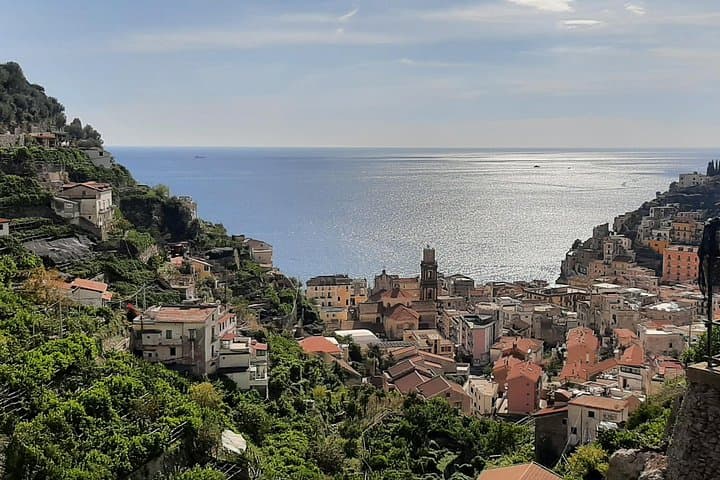
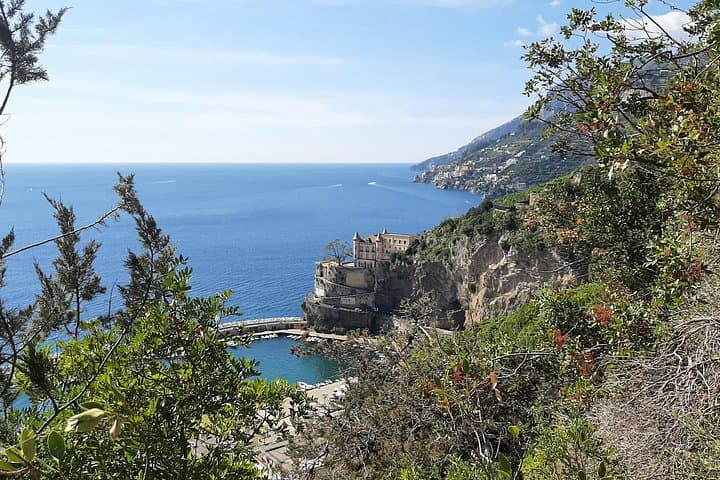
This route threads cultural history and coastal geology: terraces hewn from limestone in Roman times, small settlements like Minori built where freshwater springs met trade routes, and agricultural practices that shaped the Amalfi economy for generations. The Roman Villa of Minori is a short, interpretive stop—mosaic floors and coastal vistas that explain why people stayed here for millennia.
Expect an easy 3–4 hour walk over 4–6 km of uneven cobbles and packed dirt with roughly 200–350 m of cumulative ascent. Trails alternate sun-exposed terraces and short shaded scrub; the sea often acts like a compass, visible and urging you onward.
Practical tip: start early for cooler temperatures and quieter passage through village lanes. Footwear with good tread and at least 1–1.5 liters of water are essential; pockets of steep steps reward careful footing. Public transport connects Minori, Maiori and Amalfi if you plan a one-way shuttle back to town. Finish at Sal De Riso for the Delizia al Limone—bring cash or card and a readiness to savor one of the coast’s signature flavors.
easy.
3–4 hours.
Suitable for most walkers with basic fitness; able to handle stairs and short ascents.
The guided route lasts about 3–4 hours, roughly 4–6 km with 200–350 m of cumulative ascent; it’s considered easy and suitable for most fitness levels.
The tour includes tasting of lemon products and a granita; visits to Sal De Riso are included but additional pastries may be purchased separately.
Yes—buses and ferries connect Minori, Maiori and Amalfi; public transport options are available nearby for one-way planning.
The tour notes that service animals are allowed and the route is suitable for children capable of walking the distance; check with the operator for age specifics.
Lemon cultivation on the Amalfi Coast expanded in the Middle Ages and became economically central; the Sfusato Amalfitano variety is unique to this region.
Terraced agriculture is fragile—stick to paths to protect dry-stone walls and root systems; local producers favor small-scale, low-intervention techniques to preserve soil and biodiversity.
Trekking Amalfi Coast operates guided outdoor trips and adventures with an emphasis on safety, stewardship, and memorable experiences.
A steep terrace of citron-green trees presses against the cliff, the sea below pushing light into every leaf. You start on a narrow trail in the Lattari Mountains and quickly feel the coast opening—vineyards, carob, and rows of Sfusato Amalfitano lemons leaning toward the Tyrrhenian wind. Farmer Giovanni meets the group in a grove, guiding you between stone walls that mark centuries of cultivation and offering a taste of homemade granita and lemon salad.
A steep terrace of citron-green trees presses against the cliff, the sea below pushing light into every leaf. You start on a narrow trail in the Lattari Mountains and quickly feel the coast opening—vineyards, carob, and rows of Sfusato Amalfitano lemons leaning toward the Tyrrhenian wind. Farmer Giovanni meets the group in a grove, guiding you between stone walls that mark centuries of cultivation and offering a taste of homemade granita and lemon salad.
This route threads cultural history and coastal geology: terraces hewn from limestone in Roman times, small settlements like Minori built where freshwater springs met trade routes, and agricultural practices that shaped the Amalfi economy for generations. The Roman Villa of Minori is a short, interpretive stop—mosaic floors and coastal vistas that explain why people stayed here for millennia.
Expect an easy 3–4 hour walk over 4–6 km of uneven cobbles and packed dirt with roughly 200–350 m of cumulative ascent. Trails alternate sun-exposed terraces and short shaded scrub; the sea often acts like a compass, visible and urging you onward.
Practical tip: start early for cooler temperatures and quieter passage through village lanes. Footwear with good tread and at least 1–1.5 liters of water are essential; pockets of steep steps reward careful footing. Public transport connects Minori, Maiori and Amalfi if you plan a one-way shuttle back to town. Finish at Sal De Riso for the Delizia al Limone—bring cash or card and a readiness to savor one of the coast’s signature flavors.