THE ADVENTURE COLLECTIVE® · Independent discovery and booking for outdoor travel

Walk a rugged coastal trail south of Trani to Torre Olivieri, passing high cliffs, a seaside pine grove and spring orchids while listening for the European bee-eater. This 2–4 hour route balances easy hiking with uneven coastal terrain and big photographic payoff.
Walk a rugged coastal trail south of Trani to Torre Olivieri, passing high cliffs, a seaside pine grove and spring orchids while listening for the European bee-eater. This 2–4 hour route balances easy hiking with uneven coastal terrain and big photographic payoff.
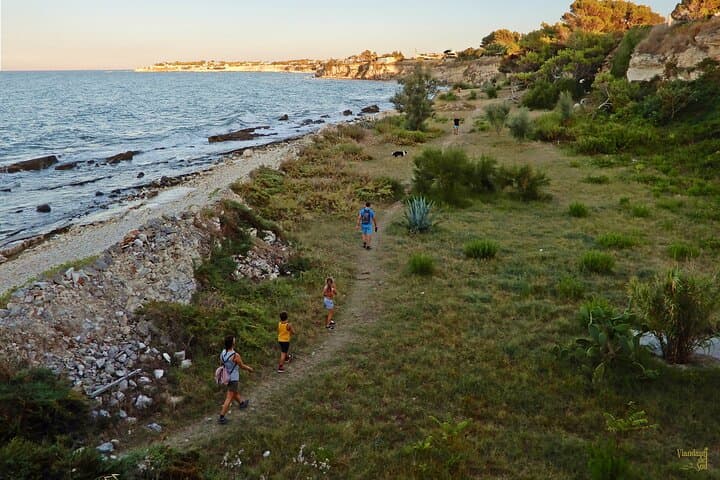
You step off the Trani seafront and the town's stone and sea-spray fall away behind you; ahead, a narrow track runs the rim of a high, rocky coast where wind and water have carved a raw line into the Adriatic.
Verified experiences and guided adventures in the surrounding area.
Operated by Viandanti del Sud · Trani, Puglia
You step off the Trani seafront and the town's stone and sea-spray fall away behind you; ahead, a narrow track runs the rim of a high, rocky coast where wind and water have carved a raw line into the Adriatic.
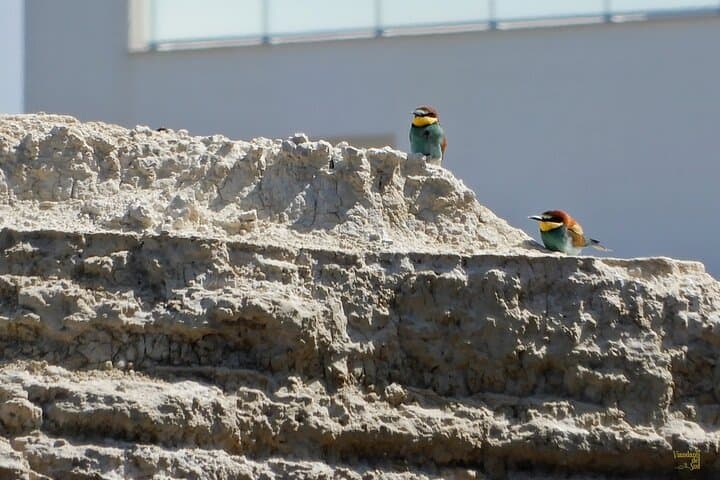
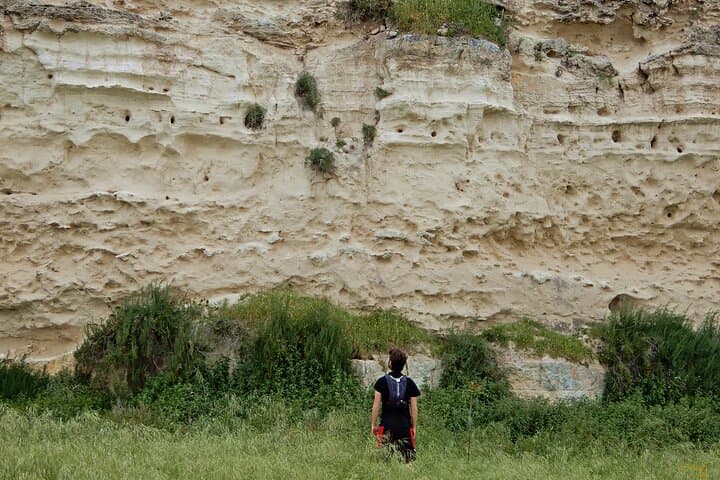
The trail follows continuous cliffs and meadows toward Gruccione Bay, where the sharp call of the European bee-eater punctuates the air in late spring. Geology here is karst: porous limestone drained by the Murge plateau into erosive furrows like Lama Paterna, a channel that funnels stormwater to the sea and helped carve the coastline where Torre Olivieri stands.
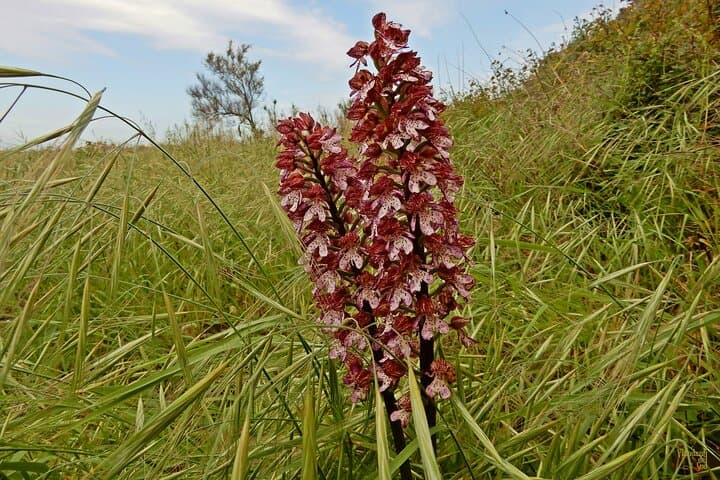
Torre Olivieri is a 16th‑century lookout tower—one of many built to warn of seaborne raids—now a low, historic silhouette above glasswort flats and coastal scrub. Between the cliffs and a shaded seaside pine (Le Conche), small meadows host spontaneous orchids that attract photographers and naturalists.
Expect rocky, uneven footing, stretches of packed dirt and low maritime scrub across roughly 5–8 km of walking with minimal elevation gain but frequent short climbs and drops along cliff edges. Wildlife viewing and photography are the highlights: bring binoculars for bee-eaters and a camera for orchids and shore birds.
Practical notes: aim for morning or late afternoon to avoid the hottest light and to catch active birds; wear sturdy shoes with good grip; carry at least 1.5–2 liters of water; keep to marked paths to protect nesting sites; and respect private properties and fragile vegetation near the tower.
easy.
2–4 hours.
Light to moderate fitness; able to walk 5–8 km on uneven, rocky coastal paths and manage short ascents/descents.
The guided route typically covers about 5–8 km and takes 2–4 hours; terrain is mostly easy but uneven and rocky in sections, so stable footwear is recommended.
Bee-eaters arrive in late spring and are most active through summer; visit between late May and July for the best chance to hear and see them near nesting walls.
The walk is family-friendly in terms of distance, but cliffs and uneven ground mean close supervision for children and well-behaved pets on a leash are required.
There are limited amenities on the coastal trail; plan to bring water and snacks and return to Trani for cafes, toilets and restaurants before or after the walk.
The coast is dotted with 16th‑century watchtowers like Torre Olivieri, built to signal threats from the sea and control maritime approaches to towns like Trani.
Stay on established paths to protect fragile orchids and nesting bee-eaters; avoid loud noises and cliffside disturbance during breeding season to reduce stress on wildlife.
Viandanti del Sud operates guided outdoor trips and adventures with an emphasis on safety, stewardship, and memorable experiences.
You step off the Trani seafront and the town's stone and sea-spray fall away behind you; ahead, a narrow track runs the rim of a high, rocky coast where wind and water have carved a raw line into the Adriatic.
You step off the Trani seafront and the town's stone and sea-spray fall away behind you; ahead, a narrow track runs the rim of a high, rocky coast where wind and water have carved a raw line into the Adriatic.
The trail follows continuous cliffs and meadows toward Gruccione Bay, where the sharp call of the European bee-eater punctuates the air in late spring. Geology here is karst: porous limestone drained by the Murge plateau into erosive furrows like Lama Paterna, a channel that funnels stormwater to the sea and helped carve the coastline where Torre Olivieri stands.
Torre Olivieri is a 16th‑century lookout tower—one of many built to warn of seaborne raids—now a low, historic silhouette above glasswort flats and coastal scrub. Between the cliffs and a shaded seaside pine (Le Conche), small meadows host spontaneous orchids that attract photographers and naturalists.
Expect rocky, uneven footing, stretches of packed dirt and low maritime scrub across roughly 5–8 km of walking with minimal elevation gain but frequent short climbs and drops along cliff edges. Wildlife viewing and photography are the highlights: bring binoculars for bee-eaters and a camera for orchids and shore birds.
Practical notes: aim for morning or late afternoon to avoid the hottest light and to catch active birds; wear sturdy shoes with good grip; carry at least 1.5–2 liters of water; keep to marked paths to protect nesting sites; and respect private properties and fragile vegetation near the tower.