THE ADVENTURE COLLECTIVE® · Independent discovery and booking for outdoor travel

Spend a focused day exploring the UNESCO squares of Patan and Bhaktapur from Kathmandu. This guided tour pairs artisan workshops, pagoda temples and restored palaces with hassle-free transport and admissions included.
Spend a focused day exploring the UNESCO squares of Patan and Bhaktapur from Kathmandu. This guided tour pairs artisan workshops, pagoda temples and restored palaces with hassle-free transport and admissions included.
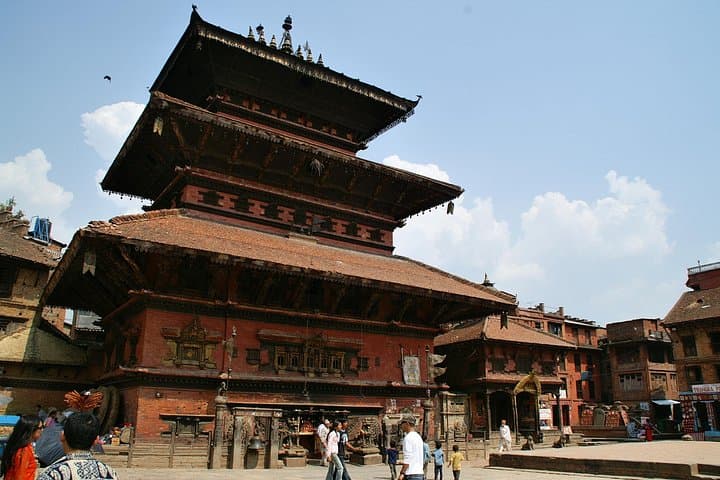
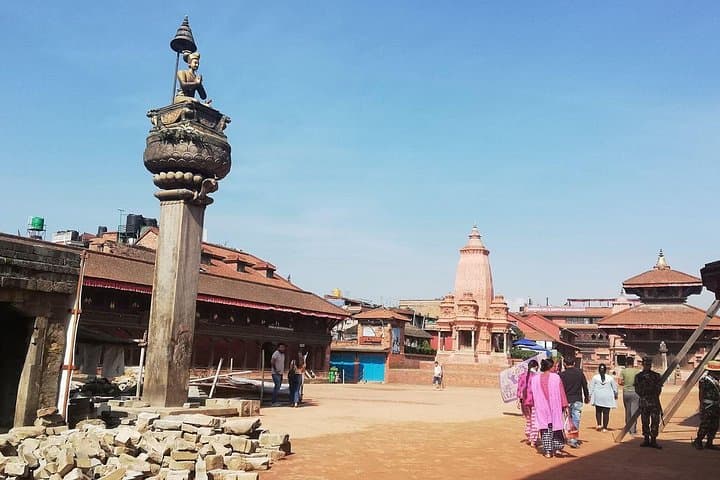
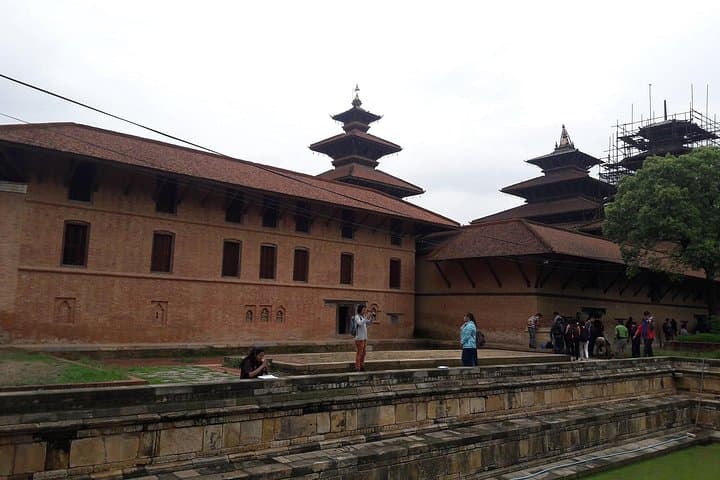
The morning begins on an easy road leaving Kathmandu; the Bagmati River cuts a clear line between cities as the minivan eases through suburb and rice terrace. In Patan the air tightens with incense and the clang of temple bells — narrow lanes funnel you toward Durbar Square where Newari carvings crowd the facades and the Patan Museum’s bronze figures sit like lessons in patience.
Verified experiences and guided adventures in the surrounding area.
Operated by Annapurna Foothills Treks Expedition Pvt. Ltd. · Kathmandu, Bagmati Province
The morning begins on an easy road leaving Kathmandu; the Bagmati River cuts a clear line between cities as the minivan eases through suburb and rice terrace. In Patan the air tightens with incense and the clang of temple bells — narrow lanes funnel you toward Durbar Square where Newari carvings crowd the facades and the Patan Museum’s bronze figures sit like lessons in patience.
Patan (Lalitpur) and Bhaktapur were once rival Malla kingdoms; their courtyards, pagoda temples and stone fountains record centuries of artisan practice. Geologically the valley is a shallow basin ringed by the lower Himalaya foothills; soils and traditional brickwork here reflect local clay and seismic history, which has shaped restoration after earthquakes. Culturally, expect living craft: potters turning red clay in Bhaktapur, woodcarvers chiseling doorframes, and the ritual rhythm of daily worship around the Krishna and Nyatapola temples.
Practical guide: the tour runs about six hours with guided entry to major sites and includes transport and most admissions. Wear sturdy footwear for cobbled streets and steps, and carry a small daypack with water and sunscreen. Cash in small denominations is useful for crafts, tea houses, and tips. Photography is welcomed but be respectful at religious sites; some inner shrines require modest dress.
Timing matters — late morning light brings the best photos in Patan, while Bhaktapur’s quieter afternoons allow you to watch craftsmen at work without the midday crowds. This day tour is an efficient immersion into the valley’s architecture, ritual life, and continuing craft traditions.
easy.
6 hours.
Light walking on uneven surfaces for several hours; suitable for most fitness levels
Yes — the tour description indicates admissions to major sites in Patan and Bhaktapur are included.
Most departures include hotel pickup in Kathmandu and drop-off at the same location; confirm your pickup point when booking.
Yes — the pace is gentle, though uneven ground and steps may be challenging for those with mobility issues; infant seats are available upon request.
Autumn (Sept–Nov) and spring (Mar–May) offer the clearest skies and comfortable temperatures for walking and photography.
Patan (Lalitpur) and Bhaktapur were major Malla Kingdom capitals; their palaces and temples reflect 12th–18th century Newari architectural and religious traditions.
Restoration after past earthquakes is ongoing—respect barriers and follow guides’ instructions to protect fragile monuments and support sustainable tourism.
Annapurna Foothills Treks Expedition Pvt. Ltd. operates guided outdoor trips and adventures with an emphasis on safety, stewardship, and memorable experiences.
The morning begins on an easy road leaving Kathmandu; the Bagmati River cuts a clear line between cities as the minivan eases through suburb and rice terrace. In Patan the air tightens with incense and the clang of temple bells — narrow lanes funnel you toward Durbar Square where Newari carvings crowd the facades and the Patan Museum’s bronze figures sit like lessons in patience.
The morning begins on an easy road leaving Kathmandu; the Bagmati River cuts a clear line between cities as the minivan eases through suburb and rice terrace. In Patan the air tightens with incense and the clang of temple bells — narrow lanes funnel you toward Durbar Square where Newari carvings crowd the facades and the Patan Museum’s bronze figures sit like lessons in patience.
Patan (Lalitpur) and Bhaktapur were once rival Malla kingdoms; their courtyards, pagoda temples and stone fountains record centuries of artisan practice. Geologically the valley is a shallow basin ringed by the lower Himalaya foothills; soils and traditional brickwork here reflect local clay and seismic history, which has shaped restoration after earthquakes. Culturally, expect living craft: potters turning red clay in Bhaktapur, woodcarvers chiseling doorframes, and the ritual rhythm of daily worship around the Krishna and Nyatapola temples.
Practical guide: the tour runs about six hours with guided entry to major sites and includes transport and most admissions. Wear sturdy footwear for cobbled streets and steps, and carry a small daypack with water and sunscreen. Cash in small denominations is useful for crafts, tea houses, and tips. Photography is welcomed but be respectful at religious sites; some inner shrines require modest dress.
Timing matters — late morning light brings the best photos in Patan, while Bhaktapur’s quieter afternoons allow you to watch craftsmen at work without the midday crowds. This day tour is an efficient immersion into the valley’s architecture, ritual life, and continuing craft traditions.