THE ADVENTURE COLLECTIVE® · Independent discovery and booking for outdoor travel

Short but high: the Pastoruri Climate Change Route is a full‑day trip from Huaraz that packs a 2 km high‑altitude walk, dramatic puna scenery and visible glacier retreat into one accessible outing. Learn what to expect and how to prepare for 5,000 m terrain.
Short but high: the Pastoruri Climate Change Route is a full‑day trip from Huaraz that packs a 2 km high‑altitude walk, dramatic puna scenery and visible glacier retreat into one accessible outing. Learn what to expect and how to prepare for 5,000 m terrain.
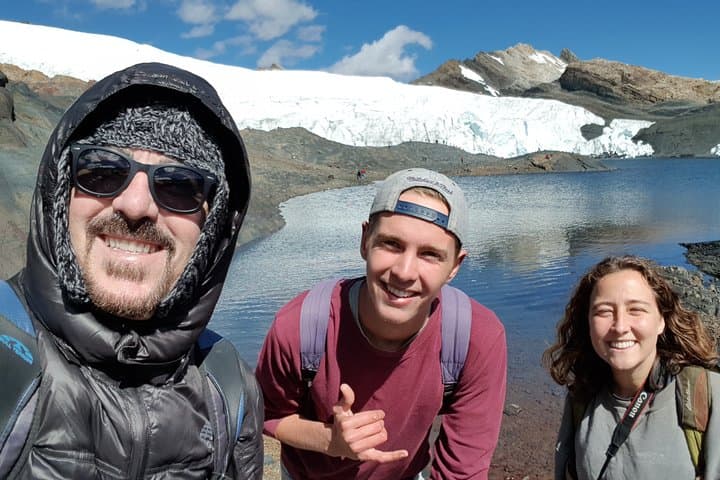
A thin air hush settles as you step off the minivan onto the puna near the Carpa sector of Huascarán National Park. Wind combs the short grasses; distant peaks cut the sky. The walk to Pastoruri Glacier is short—about 2 km and roughly 45 minutes on a rocky, sometimes loose trail—but every step climbs toward a living record of change.
Verified experiences and guided adventures in the surrounding area.
Operated by Andes Lovers Travel Agency · Huaraz, Ancash
A thin air hush settles as you step off the minivan onto the puna near the Carpa sector of Huascarán National Park. Wind combs the short grasses; distant peaks cut the sky. The walk to Pastoruri Glacier is short—about 2 km and roughly 45 minutes on a rocky, sometimes loose trail—but every step climbs toward a living record of change.
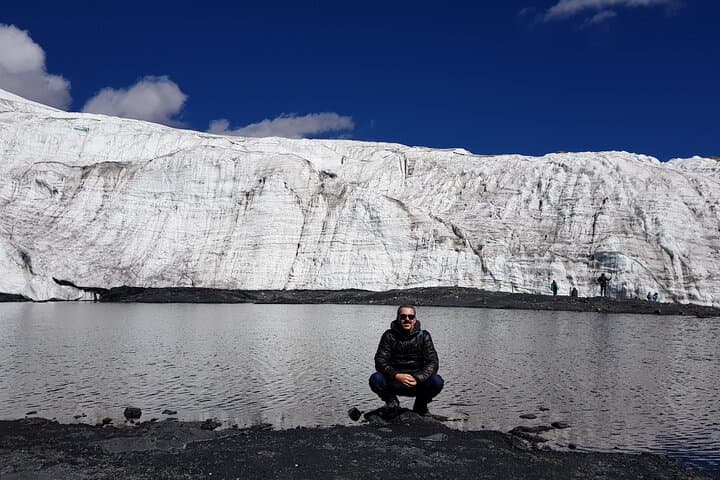
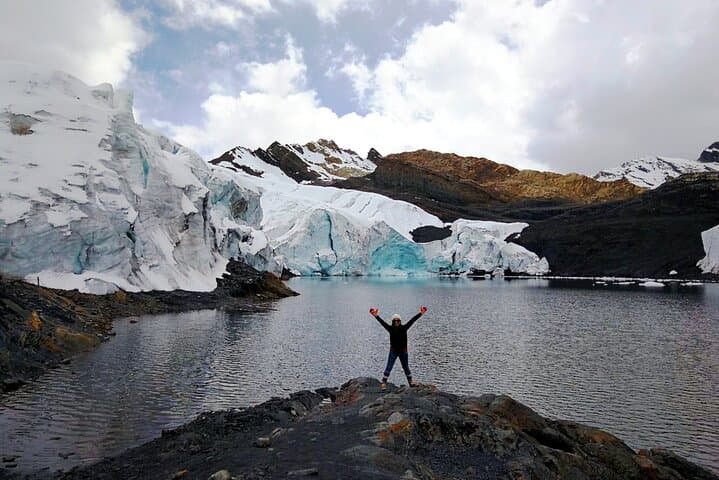
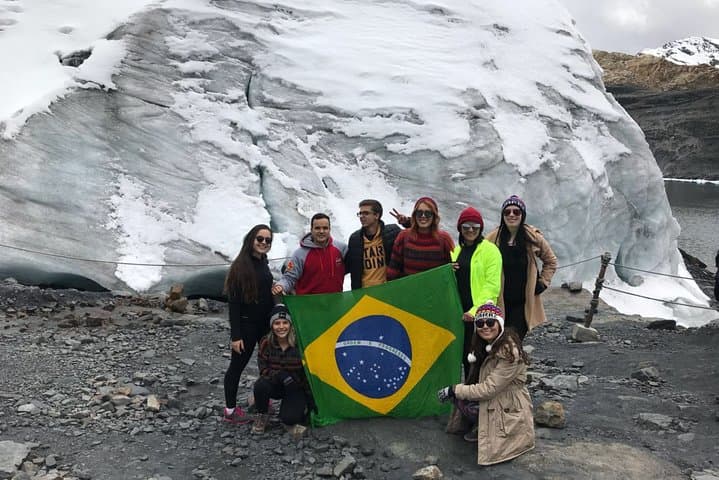
Pastoruri sits around 5,000 m.a.s.l. inside the Huascarán Biosphere Reserve, a place shaped by glacial carving and uplifted granite. The glacier has receded noticeably in recent decades, making this route both an accessible high‑altitude walk and a field lesson in climate science. Along the way you’ll pass puna wetlands, stands of Puyas raimondii (towering bromeliads), and mineral springs locals call the gasified water and the Source of the Seven Colors—small features that reflect the park’s geological diversity and Quechua cultural ties to the land.
Practically: expect a high‑altitude, exposed trail of scree and compacted earth. The on‑trail distance is short, but the effort is high because of elevation—allow 6–8 hours for the round trip including transport from Huaraz and stops. Horseback segments are available locally for part of the ascent. Carry layered clothing for wind and sun, plenty of water, sunscreen, and small cash for community services. Acclimatize in Huaraz (3,000 m) for 24–48 hours if possible, move slowly on the approach, and follow your guide’s directions about time on the glacier—weather and conditions dictate access.
This is an expedition that balances easy footing with hard altitude; arrive prepared and the landscape rewards with stark, instructive beauty.
moderate.
6–8 hours (including transfers).
Moderate fitness required—able to walk 2 km on rocky ground at high altitude and tolerate steep breathing.
The on‑trail walk is about 2 km each way (roughly 45 minutes uphill); the site sits near 5,000 m above sea level, so plan for altitude effects.
No technical glacier equipment is required on the standard viewing route—this is a non‑technical walk to the glacier terminus, though conditions can vary.
Yes—local communities near the trailhead offer horseback rides to shorten the uphill section; this service is not always included and requires cash payment on site.
Huascarán National Park has entrance fees and regulations; most organized tours include logistics and guidance through park rules, but confirm whether the admission is covered when booking.
Huascarán National Park was created to protect the Cordillera Blanca’s glacial landscapes and was later designated a UNESCO Biosphere Reserve; Pastoruri has long been part of local Quechua grazing territory.
The glacier’s dramatic retreat highlights broader climate trends—visitors should stay on trails, respect community services, and carry out waste to reduce local impact.
Andes Lovers Travel Agency operates guided outdoor trips and adventures with an emphasis on safety, stewardship, and memorable experiences.
A thin air hush settles as you step off the minivan onto the puna near the Carpa sector of Huascarán National Park. Wind combs the short grasses; distant peaks cut the sky. The walk to Pastoruri Glacier is short—about 2 km and roughly 45 minutes on a rocky, sometimes loose trail—but every step climbs toward a living record of change.
A thin air hush settles as you step off the minivan onto the puna near the Carpa sector of Huascarán National Park. Wind combs the short grasses; distant peaks cut the sky. The walk to Pastoruri Glacier is short—about 2 km and roughly 45 minutes on a rocky, sometimes loose trail—but every step climbs toward a living record of change.
Pastoruri sits around 5,000 m.a.s.l. inside the Huascarán Biosphere Reserve, a place shaped by glacial carving and uplifted granite. The glacier has receded noticeably in recent decades, making this route both an accessible high‑altitude walk and a field lesson in climate science. Along the way you’ll pass puna wetlands, stands of Puyas raimondii (towering bromeliads), and mineral springs locals call the gasified water and the Source of the Seven Colors—small features that reflect the park’s geological diversity and Quechua cultural ties to the land.
Practically: expect a high‑altitude, exposed trail of scree and compacted earth. The on‑trail distance is short, but the effort is high because of elevation—allow 6–8 hours for the round trip including transport from Huaraz and stops. Horseback segments are available locally for part of the ascent. Carry layered clothing for wind and sun, plenty of water, sunscreen, and small cash for community services. Acclimatize in Huaraz (3,000 m) for 24–48 hours if possible, move slowly on the approach, and follow your guide’s directions about time on the glacier—weather and conditions dictate access.
This is an expedition that balances easy footing with hard altitude; arrive prepared and the landscape rewards with stark, instructive beauty.