THE ADVENTURE COLLECTIVE® · Independent discovery and booking for outdoor travel

Strap into a four-person sled and feel the world tighten into corners as you race down the Whistler Sliding Centre at 125+ km/h. This passenger bobsleigh lets non-athletes experience Olympic-class speeds under the guidance of a trained pilot.
Strap into a four-person sled and feel the world tighten into corners as you race down the Whistler Sliding Centre at 125+ km/h. This passenger bobsleigh lets non-athletes experience Olympic-class speeds under the guidance of a trained pilot.
Cold air snaps against the visor as the control tower calls your sled green — the track ahead a concrete ribbon of ice that seems to lean into the mountain. You feel the shove from the crew, the sled lurches, and the world compresses into a sequence of corners and g-forces. For 50 seconds you are hitching a ride with a trained pilot down the Whistler Sliding Centre’s global-class track, hitting speeds in excess of 125 km/h while the mountain breathes around you.
Verified experiences and guided adventures in the surrounding area.
Operated by Whistler Sliding Centre · Whistler, British Columbia
Cold air snaps against the visor as the control tower calls your sled green — the track ahead a concrete ribbon of ice that seems to lean into the mountain. You feel the shove from the crew, the sled lurches, and the world compresses into a sequence of corners and g-forces. For 50 seconds you are hitching a ride with a trained pilot down the Whistler Sliding Centre’s global-class track, hitting speeds in excess of 125 km/h while the mountain breathes around you.
The Sliding Centre was built for the 2010 Winter Olympics and remains one of North America’s premier sliding venues. Geologically the course carves across glacially sculpted slopes above Whistler Creek — frozen surfaces engineered to international bobsleigh standards. The culture here is precise and safety-focused: crews, pilots, and timing teams run like a well-drilled machine, and public passenger rides offer a rare chance to experience an elite sport.
Practical guidance: arrive 30–45 minutes early for orientation and weight/height checks; helmets are provided and crew will secure you in a four-person sled steered by a pilot. Riders must meet age and size requirements and disclose medical conditions; standard health exclusions apply. Dress in close-fitting warm layers and secure shoes — loose clothing or long scarves are hazards at speed. Expect up to 4 g-forces in corners; the run lasts under a minute but the whole experience, including orientation and photos, takes about 90 minutes. Lines move efficiently, but cancellations require 24+ hours for a refund. Leave bulky bags behind and bring a sense of steady nerves — the track demands respect and rewards focused attention.
moderate.
1.5 hours.
Moderate fitness required — ability to enter/exit sled and tolerate short, intense g-forces.
The sled’s run is under a minute, but the full experience (orientation, weight checks, the run, and photos) is approximately 90 minutes.
Yes — helmets and all necessary safety equipment are provided and fitted by the crew.
Riders must be 14+ years old, meet the listed weight and height limits, and must not have disqualifying medical conditions such as pregnancy or recent spinal injuries.
Passenger bobsleigh runs rain, snow, or shine; the facility operates in most weather but reserves the right to cancel for safety.
Built for the 2010 Winter Olympics, the Whistler Sliding Centre remains the primary public-access Olympic sliding track in Canada and was designed to meet international competition standards.
The centre and park operators maintain winter water and energy practices to reduce ice-making impacts; visitors are asked to follow leave-no-trace guidelines and use for designated areas only.
Whistler Sliding Centre operates guided outdoor trips and adventures with an emphasis on safety, stewardship, and memorable experiences.
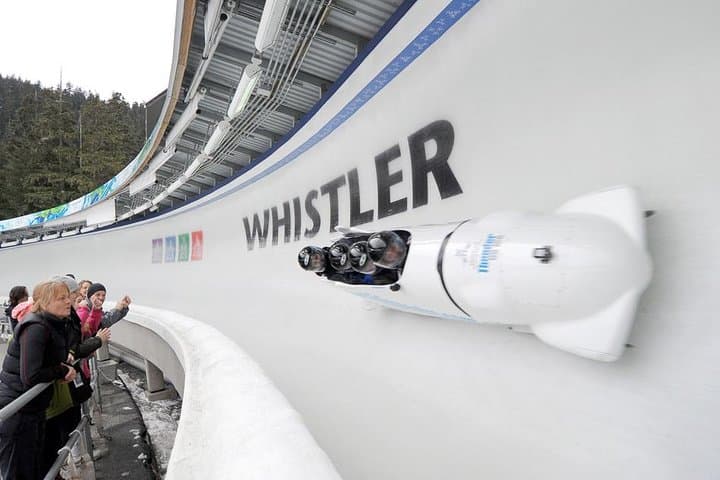
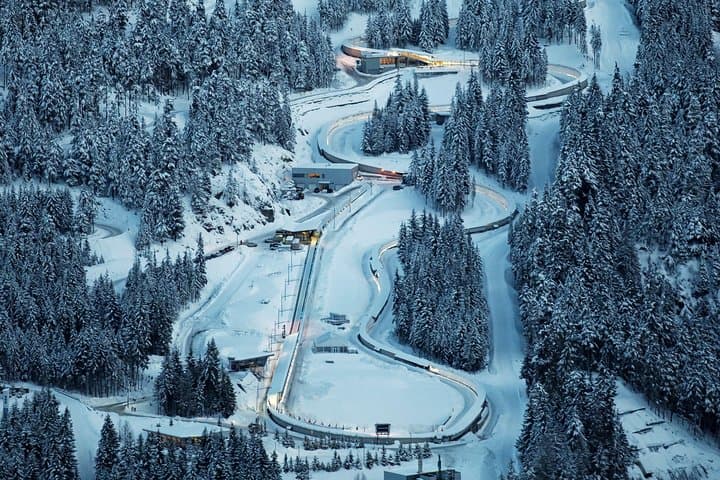
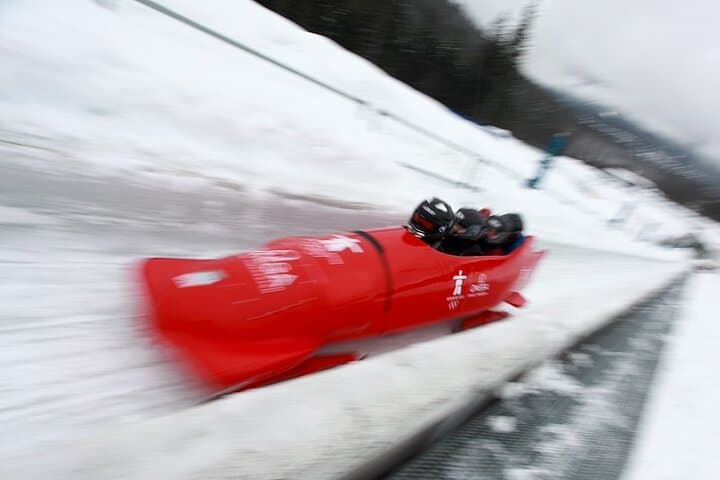
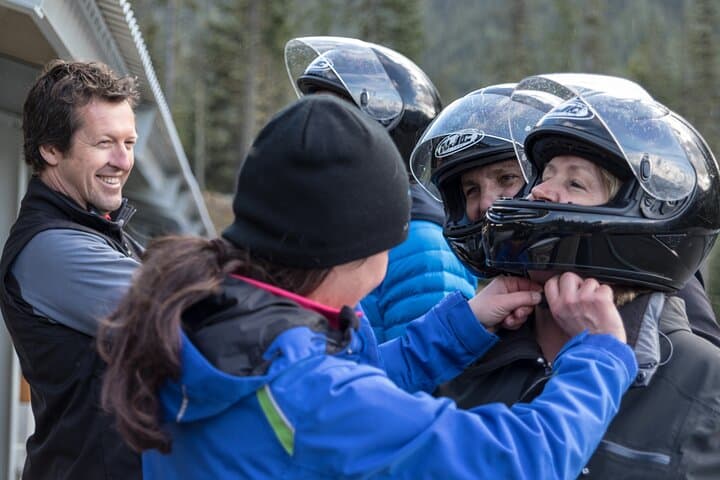
Cold air snaps against the visor as the control tower calls your sled green — the track ahead a concrete ribbon of ice that seems to lean into the mountain. You feel the shove from the crew, the sled lurches, and the world compresses into a sequence of corners and g-forces. For 50 seconds you are hitching a ride with a trained pilot down the Whistler Sliding Centre’s global-class track, hitting speeds in excess of 125 km/h while the mountain breathes around you.
Cold air snaps against the visor as the control tower calls your sled green — the track ahead a concrete ribbon of ice that seems to lean into the mountain. You feel the shove from the crew, the sled lurches, and the world compresses into a sequence of corners and g-forces. For 50 seconds you are hitching a ride with a trained pilot down the Whistler Sliding Centre’s global-class track, hitting speeds in excess of 125 km/h while the mountain breathes around you.
The Sliding Centre was built for the 2010 Winter Olympics and remains one of North America’s premier sliding venues. Geologically the course carves across glacially sculpted slopes above Whistler Creek — frozen surfaces engineered to international bobsleigh standards. The culture here is precise and safety-focused: crews, pilots, and timing teams run like a well-drilled machine, and public passenger rides offer a rare chance to experience an elite sport.
Practical guidance: arrive 30–45 minutes early for orientation and weight/height checks; helmets are provided and crew will secure you in a four-person sled steered by a pilot. Riders must meet age and size requirements and disclose medical conditions; standard health exclusions apply. Dress in close-fitting warm layers and secure shoes — loose clothing or long scarves are hazards at speed. Expect up to 4 g-forces in corners; the run lasts under a minute but the whole experience, including orientation and photos, takes about 90 minutes. Lines move efficiently, but cancellations require 24+ hours for a refund. Leave bulky bags behind and bring a sense of steady nerves — the track demands respect and rewards focused attention.