THE ADVENTURE COLLECTIVE® · Independent discovery and booking for outdoor travel

Walk where three rivers meet and Baroque façades face the water. This two-hour private stroll through Passau mixes Roman origins, prince-bishop history and riverside views while staying accessible for most walkers.
Walk where three rivers meet and Baroque façades face the water. This two-hour private stroll through Passau mixes Roman origins, prince-bishop history and riverside views while staying accessible for most walkers.
You step onto the old stone bridge and the city rearranges itself: glossy river water carving a path between ochre facades, church towers puncturing a pale sky, and the Fortress looming like a watchful neighbor. The Inn, Danube and Ilz meet here in a slow, visible handshake — currents of different colors daring you to follow their courses.
Verified experiences and guided adventures in the surrounding area.
Operated by BlackBuck Travels · Passau, Bavaria
You step onto the old stone bridge and the city rearranges itself: glossy river water carving a path between ochre facades, church towers puncturing a pale sky, and the Fortress looming like a watchful neighbor. The Inn, Danube and Ilz meet here in a slow, visible handshake — currents of different colors daring you to follow their courses.
Passau began as a Roman river station and grew under medieval craftsmen — blacksmiths, tanners and ship millers — and later under prince-bishops who left a deliberate Baroque signature on the skyline. Geology and hydrology shape the city: the three-river confluence sits at a low valley rim where gravel terraces and riverbanks create the stepped streets and riverside quays you’ll walk along.
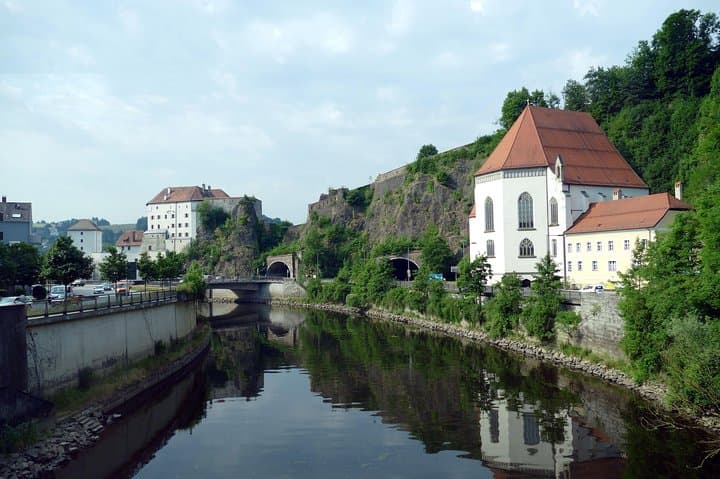
On this private two-hour stroll you’ll thread narrow alleys, pause at the pilgrimage church Maria Hilf, and take in panorama from the fortress approaches. Local culture is tactile: lacquered wood signs, a centuries-old baker behind a small window, and cafés that crowd the quay in summer.
Practical notes: the route is mostly paved and cobblestoned with short flights of steps; expect gentle elevation to the fortress. Wear grippy shoes and a light rain jacket — Bavarian weather shifts quickly. Early morning or late afternoon avoids busy tour-boat crowds and gives better light on the baroque façades. The tour is wheelchair-accessible on main streets but some viewpoints use steps; ask the guide about alternate paths. Bring a refillable water bottle, a small camera, and a willingness to slow your pace — Passau rewards anyone who looks closely at its corners and listens for the rivers’ different voices.
easy.
2 hours.
Suitable for most fitness levels; involves walking on paved and cobbled streets and short stair sections.
The tour typically begins at the pair of bridges that link the old town with St. Stephan’s Cathedral—your confirmation will list the exact spot.
Main thoroughfares and much of the riverside are wheelchair-accessible, but some viewpoints and alleyways use steps; notify the operator to arrange alternate paths.
Guides commonly speak German and English; check booking details for other language availability.
The tour runs in light rain; heavy storms may alter the route or timing—confirm with the operator if severe weather is forecast.
Passau grew from a Roman river post into a medieval trade center and later a prince-bishopric whose Baroque rebuilding after fires shaped the cityscape you see today.
The three-river confluence is sensitive to water quality and flood management; stick to marked paths, use local guides and support small businesses to minimize visitor impact.
BlackBuck Travels operates guided outdoor trips and adventures with an emphasis on safety, stewardship, and memorable experiences.
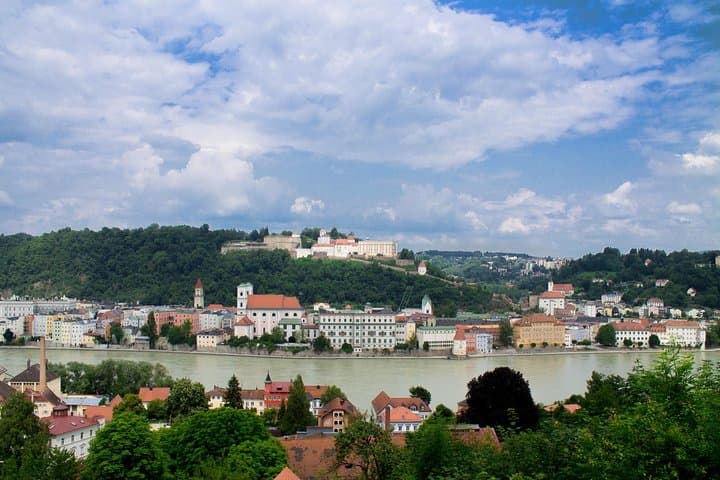
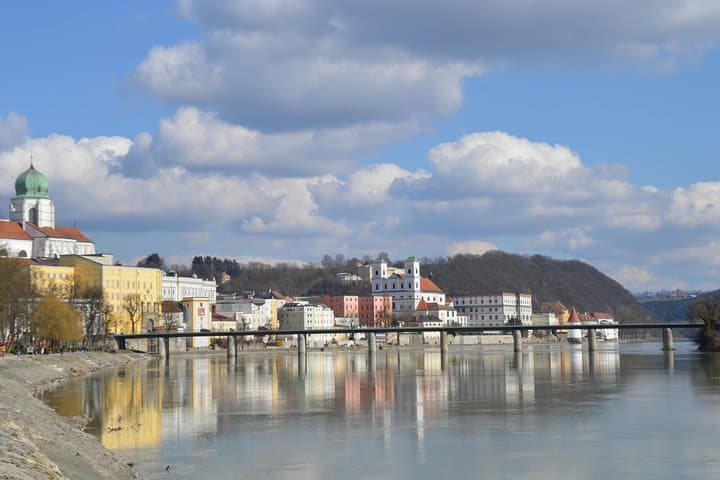
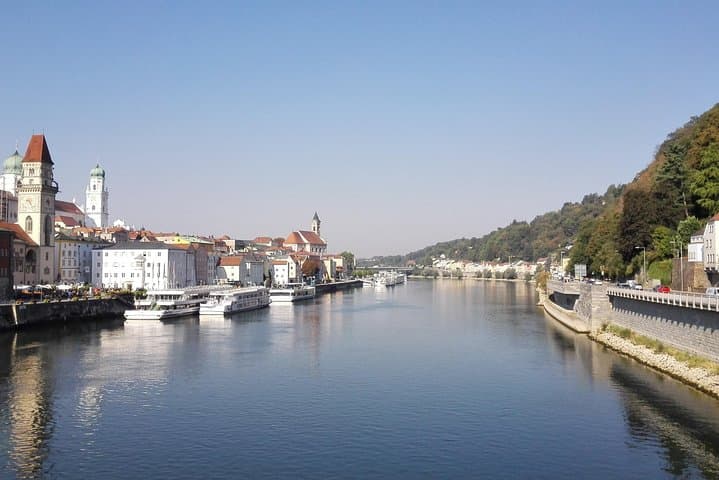
You step onto the old stone bridge and the city rearranges itself: glossy river water carving a path between ochre facades, church towers puncturing a pale sky, and the Fortress looming like a watchful neighbor. The Inn, Danube and Ilz meet here in a slow, visible handshake — currents of different colors daring you to follow their courses.
You step onto the old stone bridge and the city rearranges itself: glossy river water carving a path between ochre facades, church towers puncturing a pale sky, and the Fortress looming like a watchful neighbor. The Inn, Danube and Ilz meet here in a slow, visible handshake — currents of different colors daring you to follow their courses.
Passau began as a Roman river station and grew under medieval craftsmen — blacksmiths, tanners and ship millers — and later under prince-bishops who left a deliberate Baroque signature on the skyline. Geology and hydrology shape the city: the three-river confluence sits at a low valley rim where gravel terraces and riverbanks create the stepped streets and riverside quays you’ll walk along.
On this private two-hour stroll you’ll thread narrow alleys, pause at the pilgrimage church Maria Hilf, and take in panorama from the fortress approaches. Local culture is tactile: lacquered wood signs, a centuries-old baker behind a small window, and cafés that crowd the quay in summer.
Practical notes: the route is mostly paved and cobblestoned with short flights of steps; expect gentle elevation to the fortress. Wear grippy shoes and a light rain jacket — Bavarian weather shifts quickly. Early morning or late afternoon avoids busy tour-boat crowds and gives better light on the baroque façades. The tour is wheelchair-accessible on main streets but some viewpoints use steps; ask the guide about alternate paths. Bring a refillable water bottle, a small camera, and a willingness to slow your pace — Passau rewards anyone who looks closely at its corners and listens for the rivers’ different voices.