THE ADVENTURE COLLECTIVE® · Independent discovery and booking for outdoor travel

A modern thermal complex on Budapest’s green edge, Paskál Bath pairs naturally warm springs with family-friendly facilities and saunas. Read on for what to expect, practical tips, and seasonal considerations for a restorative visit.
A modern thermal complex on Budapest’s green edge, Paskál Bath pairs naturally warm springs with family-friendly facilities and saunas. Read on for what to expect, practical tips, and seasonal considerations for a restorative visit.
Steam rises off a broad outdoor pool as the city recedes to a green fringe—Paskál Thermal Bath feels deliberately unhurried. The complex opens into terraces, indoor halls and sheltered pools where naturally warm, mineral-rich water nudges you into slow movement, while a Finnish sauna waits for sharper heat.
Verified experiences and guided adventures in the surrounding area.
Operated by Hungária Koncert Kft · Budapest, Budapest
Steam rises off a broad outdoor pool as the city recedes to a green fringe—Paskál Thermal Bath feels deliberately unhurried. The complex opens into terraces, indoor halls and sheltered pools where naturally warm, mineral-rich water nudges you into slow movement, while a Finnish sauna waits for sharper heat.
Budapest’s bathing culture stretches back to Roman and Ottoman eras, and Paskál is a contemporary chapter: a modern wellness complex built around geothermal springs rather than historical architecture. Geologically, the region sits above volcanic and tectonic activity that feeds hot springs across the city; thermals here are milder than the grand imperial baths yet steady and restorative.
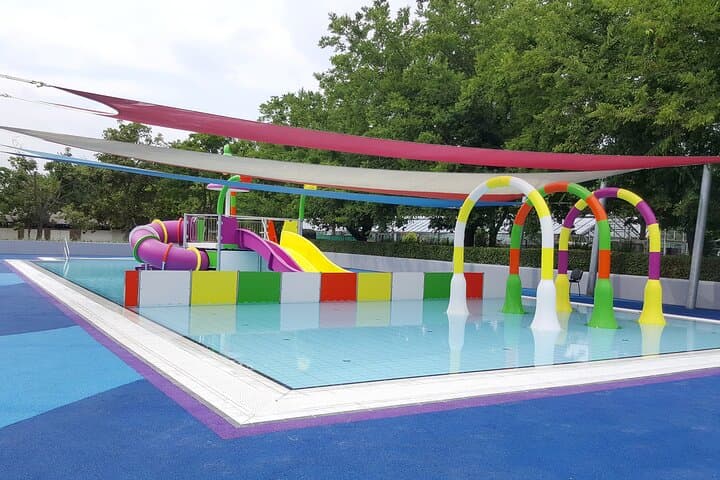
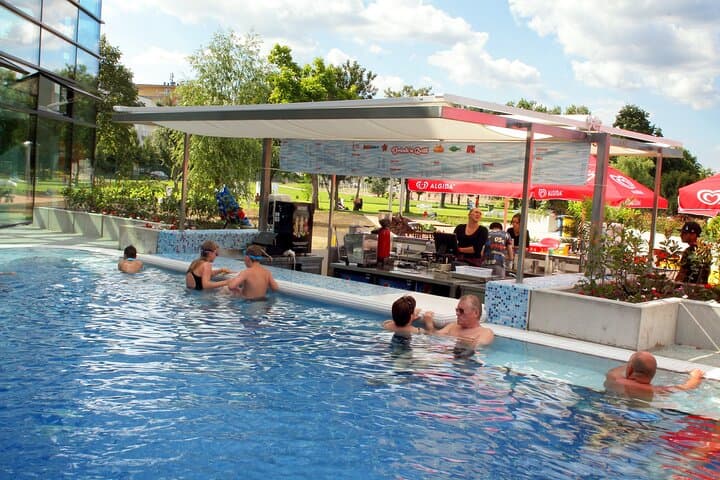
Culturally, Paskál leans family-forward—expect a dedicated kids’ pool, play areas, and snack options that keep a day at the baths practical. Locals often pair a soak with a brisk walk through nearby green spaces or errands in adjacent neighborhoods, treating the bath as both leisure and routine recovery.
Practical guidance: ticketed entry covers a single-day visit—plan 1–4 hours depending on treatments and children. Arrive with flip-flops, a towel or rentable locker, and modest swimwear; saunas are for short cycles—hydrate between rounds. Peak times are late afternoons and weekends; mornings are quieter. Contraindications include pregnancy and significant cardiovascular issues, so consult healthcare providers if unsure.
Paskál is straightforward: warm water that steadies tired legs, family amenities that keep kids engaged, and modern facilities that let you focus on recovery rather than ceremony.
easy.
1–4 hours.
Suitable for most fitness levels; minimal exertion required beyond walking around the complex and pool entry steps.
Lockers are usually available; towels may be rentable but bringing your own is faster and more hygienic.
Yes—there’s a dedicated kids’ pool, water attractions and a playground, though children should be supervised at all times.
Walk-up entry is common, but online tickets guarantee entry and can save waiting time during busy periods.
Thermal baths are not recommended for pregnant travelers or people with serious cardiovascular conditions; consult a physician if unsure.
Budapest’s bathing tradition dates to Roman and Ottoman occupations; modern complexes like Paskál continue that local emphasis on thermal waters for health and social life.
The facility operates year-round and manages water circulation from geothermal sources; minimize soaps and dispose of waste properly to reduce contamination of public systems.
Hungária Koncert Kft operates guided outdoor trips and adventures with an emphasis on safety, stewardship, and memorable experiences.
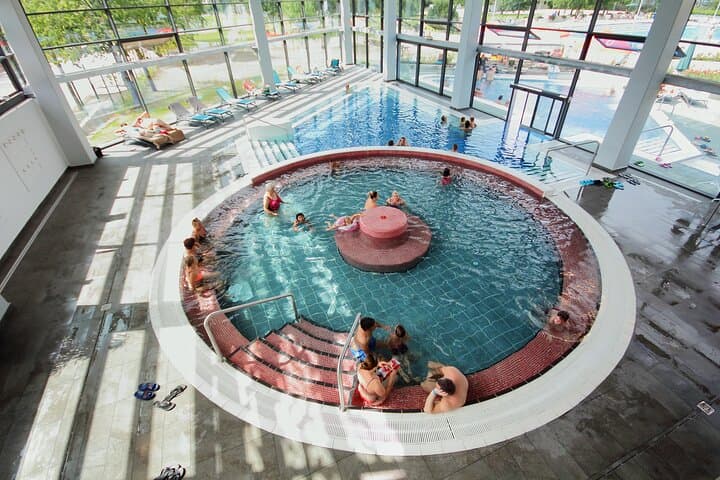
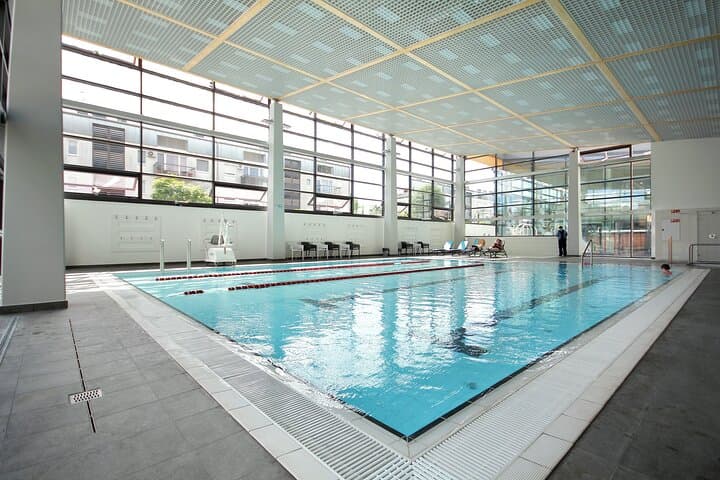
Steam rises off a broad outdoor pool as the city recedes to a green fringe—Paskál Thermal Bath feels deliberately unhurried. The complex opens into terraces, indoor halls and sheltered pools where naturally warm, mineral-rich water nudges you into slow movement, while a Finnish sauna waits for sharper heat.
Steam rises off a broad outdoor pool as the city recedes to a green fringe—Paskál Thermal Bath feels deliberately unhurried. The complex opens into terraces, indoor halls and sheltered pools where naturally warm, mineral-rich water nudges you into slow movement, while a Finnish sauna waits for sharper heat.
Budapest’s bathing culture stretches back to Roman and Ottoman eras, and Paskál is a contemporary chapter: a modern wellness complex built around geothermal springs rather than historical architecture. Geologically, the region sits above volcanic and tectonic activity that feeds hot springs across the city; thermals here are milder than the grand imperial baths yet steady and restorative.
Culturally, Paskál leans family-forward—expect a dedicated kids’ pool, play areas, and snack options that keep a day at the baths practical. Locals often pair a soak with a brisk walk through nearby green spaces or errands in adjacent neighborhoods, treating the bath as both leisure and routine recovery.
Practical guidance: ticketed entry covers a single-day visit—plan 1–4 hours depending on treatments and children. Arrive with flip-flops, a towel or rentable locker, and modest swimwear; saunas are for short cycles—hydrate between rounds. Peak times are late afternoons and weekends; mornings are quieter. Contraindications include pregnancy and significant cardiovascular issues, so consult healthcare providers if unsure.
Paskál is straightforward: warm water that steadies tired legs, family amenities that keep kids engaged, and modern facilities that let you focus on recovery rather than ceremony.