THE ADVENTURE COLLECTIVE® · Independent discovery and booking for outdoor travel

Build connection, chemistry, and confidence with your partner in a private two-hour bachata and salsa class in Santo Domingo. Tailored instruction focuses on frame, timing, and partnerwork so you leave with moves—and memories—you can use back home.
Build connection, chemistry, and confidence with your partner in a private two-hour bachata and salsa class in Santo Domingo. Tailored instruction focuses on frame, timing, and partnerwork so you leave with moves—and memories—you can use back home.
You enter a studio in Santo Domingo and the city’s rhythm follows you in—traffic subsiding into percussion, voices folding into the beat. In a private lesson with an English-speaking instructor like Ari “Happy Feet,” the room becomes a practice ground where connection matters as much as steps.
Verified experiences and guided adventures in the surrounding area.
Operated by Happy · Santo Domingo, Distrito Nacional
You enter a studio in Santo Domingo and the city’s rhythm follows you in—traffic subsiding into percussion, voices folding into the beat. In a private lesson with an English-speaking instructor like Ari “Happy Feet,” the room becomes a practice ground where connection matters as much as steps.
Bachata grew from Dominican song and bolero traditions into a dance defined by close lead-and-follow, syncopated footwork, and intimate torso movement. Salsa adds wider turns and playful timing imported from Cuban and New York styles, making a two-hour private session an efficient crash course in both forms. Expect a short warm-up, technique drills for frame and footwork, partner patterns, and a short choreographed sequence to tie it together.
The setting—often in Santo Domingo’s Colonial Zone or a nearby studio—puts you close to colonial-era streets where music has always been part of daily life. This mix of urban culture and rhythmic lineage makes learning here more than practice: it’s cultural context.
Practical guidance: wear close-fitting but breathable clothing and shoes with a slight sole for pivoting; bring a water bottle (bottled water is usually provided). Beginners should focus on connection and timing more than speed; experienced dancers can ask for faster sequences and styling. Plan these lessons early in your trip to apply new moves at local dance nights later on.
Timing, clear communication with your instructor about goals, and a relaxed attitude will maximize gains. Leave ready to lead, follow, and take the floor with confidence in Santo Domingo’s lively dance scene.
easy.
2 hours.
Suitable for all fitness levels; basic stamina and balance recommended for sustained practice
No—these private classes adapt to your level, from complete beginner basics to advanced styling and faster choreography.
Many movements can be adapted; inform the instructor of any limitations when booking so the session can be tailored accordingly.
Yes—the listing specifies English-speaking instruction, and Ari “Happy Feet” teaches in English.
Yes—most two-hour private lessons split time between bachata basics and salsa elements, focusing on complementary skills like timing and partner connection.
Bachata originated in the Dominican Republic as a rural and urban expression of bolero and folk music; Santo Domingo remains a key cultural center for the genre.
Support local instructors and small studios to keep cultural tourism sustainable; be mindful of noise and crowding in residential areas when attending socials.
Happy operates guided outdoor trips and adventures with an emphasis on safety, stewardship, and memorable experiences.
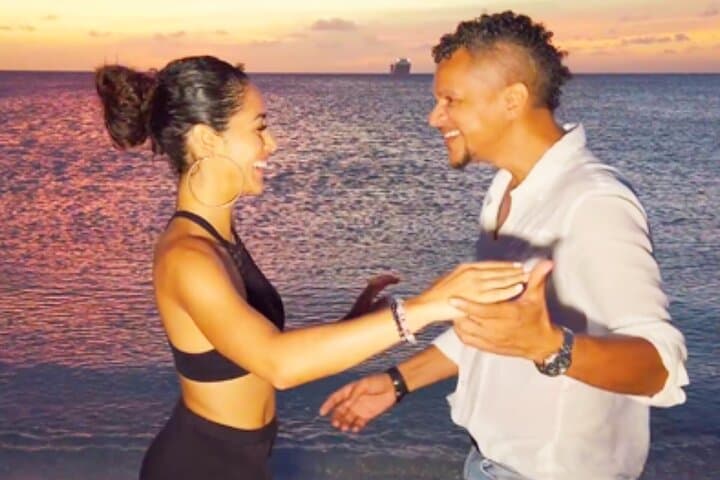
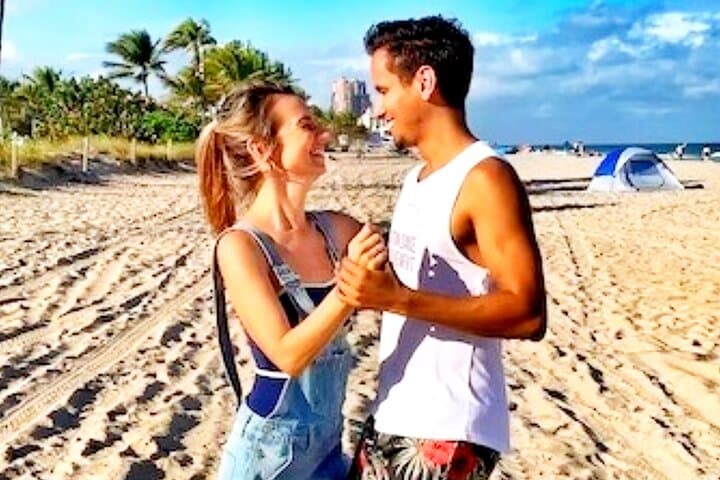
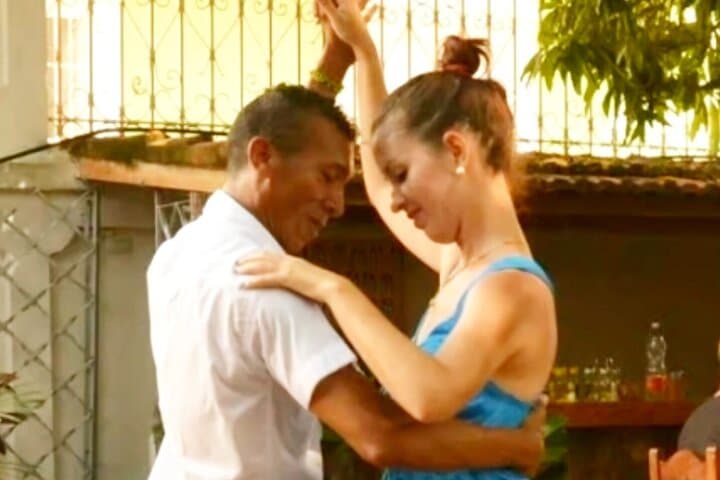
You enter a studio in Santo Domingo and the city’s rhythm follows you in—traffic subsiding into percussion, voices folding into the beat. In a private lesson with an English-speaking instructor like Ari “Happy Feet,” the room becomes a practice ground where connection matters as much as steps.
You enter a studio in Santo Domingo and the city’s rhythm follows you in—traffic subsiding into percussion, voices folding into the beat. In a private lesson with an English-speaking instructor like Ari “Happy Feet,” the room becomes a practice ground where connection matters as much as steps.
Bachata grew from Dominican song and bolero traditions into a dance defined by close lead-and-follow, syncopated footwork, and intimate torso movement. Salsa adds wider turns and playful timing imported from Cuban and New York styles, making a two-hour private session an efficient crash course in both forms. Expect a short warm-up, technique drills for frame and footwork, partner patterns, and a short choreographed sequence to tie it together.
The setting—often in Santo Domingo’s Colonial Zone or a nearby studio—puts you close to colonial-era streets where music has always been part of daily life. This mix of urban culture and rhythmic lineage makes learning here more than practice: it’s cultural context.
Practical guidance: wear close-fitting but breathable clothing and shoes with a slight sole for pivoting; bring a water bottle (bottled water is usually provided). Beginners should focus on connection and timing more than speed; experienced dancers can ask for faster sequences and styling. Plan these lessons early in your trip to apply new moves at local dance nights later on.
Timing, clear communication with your instructor about goals, and a relaxed attitude will maximize gains. Leave ready to lead, follow, and take the floor with confidence in Santo Domingo’s lively dance scene.