THE ADVENTURE COLLECTIVE® · Independent discovery and booking for outdoor travel

A full-day tour from Santiago to Parque Tricao’s restored wetlands and South America’s largest aviary, followed by the pottery streets of Pomaire. Expect easy walks, close-up birdwatching and cultural stops for traditional ceramics and food.
A full-day tour from Santiago to Parque Tricao’s restored wetlands and South America’s largest aviary, followed by the pottery streets of Pomaire. Expect easy walks, close-up birdwatching and cultural stops for traditional ceramics and food.
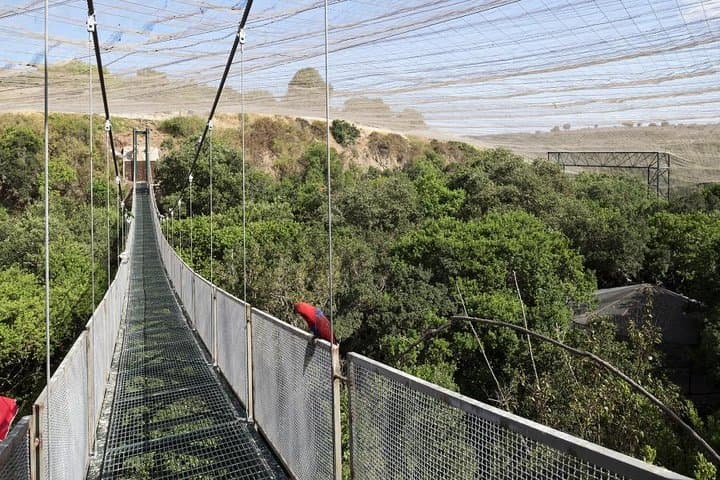
Morning light slices across the coastal ravines as the van drops you at Parque Tricao. Wind and salt push inland; reeds bend like a crowd shifting to watch. The park unfurls in tiers—restored wetlands, scrubby native forest and a broad white-sand stretch where the sea dares you closer. A walk along the boardwalk brings you eye-to-eye with the aviary: hundreds of birds in a controlled environment that feels both curated and wild.
Verified experiences and guided adventures in the surrounding area.
Operated by TAC Turismo · Pomaire, Región Metropolitana (Santiago Metropolitan Region)
Morning light slices across the coastal ravines as the van drops you at Parque Tricao. Wind and salt push inland; reeds bend like a crowd shifting to watch. The park unfurls in tiers—restored wetlands, scrubby native forest and a broad white-sand stretch where the sea dares you closer. A walk along the boardwalk brings you eye-to-eye with the aviary: hundreds of birds in a controlled environment that feels both curated and wild.
The area protects one of the region's largest wetland complexes. Geologically, the ravines are cut into coastal slopes of Pliocene and Quaternary deposits, the blocks and terraces shaping the park’s viewpoints. Culturally, the afternoon visit to Pomaire recharges the senses with clay dust, hand-thrown pots and classic Chilean cazuela served in family-run taverns—the town has produced pottery for generations, feeding Santiago with functional folk art.
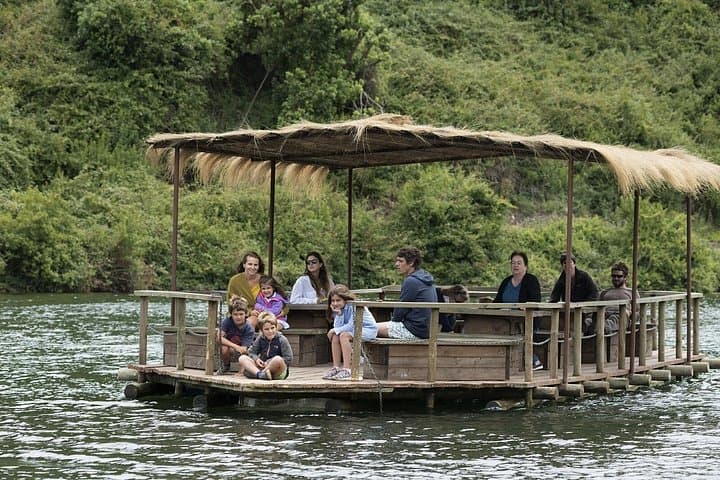
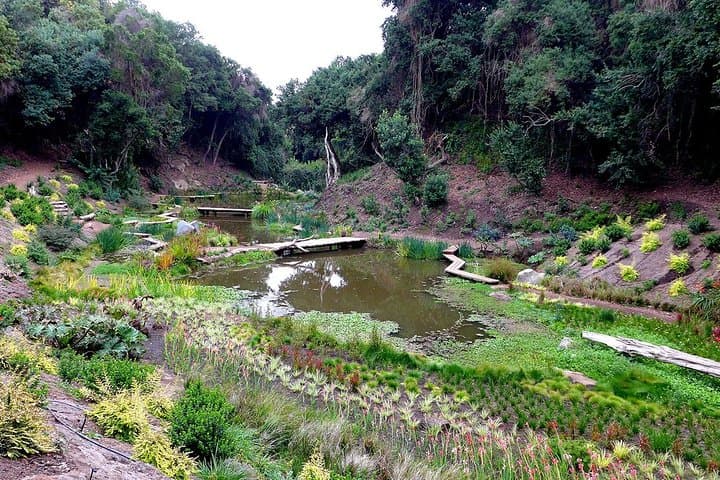
Expect habitat restoration signs, interpretive paths and a replica Giverny garden that channels Monet without imitating it. Birdlife is the main draw—flamingos and herons lend color; the aviary showcases exotic and native species in rehabilitation programs. Trails are short but varied, with sand, packed dirt and boardwalks; viewpoints reward modest climbs with broad coastal panoramas.
Practical edge: the full-day tour runs about nine hours with transport from Santiago, light walking and guided entry to the aviary included. Bring layered sun protection, a refillable water bottle and binoculars. Respect posted rules—stay on paths, don’t feed wildlife, and time your visit for morning or late afternoon light to avoid midday heat and maximize bird activity.
easy.
9 hours.
Suitable for light hikers and travelers comfortable with short flat to mildly uneven walks
The tour runs about nine hours (roughly 540 minutes) including transport from Santiago, time at Parque Tricao and the Pomaire visit.
Yes—families are welcome and the experience is stroller-accessible, though infants must sit on laps during transport.
Entrance to Parque Tricao and the aviary and air-conditioned vehicle transport from Santiago are included in the tour price.
The tour is rated easy with flat boardwalks in parts, but some viewpoints have steps; contact the operator about specific accessibility needs before booking.
The coastal ravines were traditionally used for seasonal grazing and pottery trade; recent decades have focused on wetland restoration and public education.
Parque Tricao emphasizes habitat recovery and responsible bird viewing—stay on trails and avoid feeding animals to support ongoing rehabilitation work.
TAC Turismo operates guided outdoor trips and adventures with an emphasis on safety, stewardship, and memorable experiences.
Morning light slices across the coastal ravines as the van drops you at Parque Tricao. Wind and salt push inland; reeds bend like a crowd shifting to watch. The park unfurls in tiers—restored wetlands, scrubby native forest and a broad white-sand stretch where the sea dares you closer. A walk along the boardwalk brings you eye-to-eye with the aviary: hundreds of birds in a controlled environment that feels both curated and wild.
Morning light slices across the coastal ravines as the van drops you at Parque Tricao. Wind and salt push inland; reeds bend like a crowd shifting to watch. The park unfurls in tiers—restored wetlands, scrubby native forest and a broad white-sand stretch where the sea dares you closer. A walk along the boardwalk brings you eye-to-eye with the aviary: hundreds of birds in a controlled environment that feels both curated and wild.
The area protects one of the region's largest wetland complexes. Geologically, the ravines are cut into coastal slopes of Pliocene and Quaternary deposits, the blocks and terraces shaping the park’s viewpoints. Culturally, the afternoon visit to Pomaire recharges the senses with clay dust, hand-thrown pots and classic Chilean cazuela served in family-run taverns—the town has produced pottery for generations, feeding Santiago with functional folk art.
Expect habitat restoration signs, interpretive paths and a replica Giverny garden that channels Monet without imitating it. Birdlife is the main draw—flamingos and herons lend color; the aviary showcases exotic and native species in rehabilitation programs. Trails are short but varied, with sand, packed dirt and boardwalks; viewpoints reward modest climbs with broad coastal panoramas.
Practical edge: the full-day tour runs about nine hours with transport from Santiago, light walking and guided entry to the aviary included. Bring layered sun protection, a refillable water bottle and binoculars. Respect posted rules—stay on paths, don’t feed wildlife, and time your visit for morning or late afternoon light to avoid midday heat and maximize bird activity.