THE ADVENTURE COLLECTIVE® · Independent discovery and booking for outdoor travel

Walk Pärnu’s sandy shore and historic streets on a focused two-hour tour that pairs seaside vistas with resort-era architecture and a stop outside the Pärnu Museum. Ideal for travelers wanting a compact orientation to Estonia’s summer capital.
Walk Pärnu’s sandy shore and historic streets on a focused two-hour tour that pairs seaside vistas with resort-era architecture and a stop outside the Pärnu Museum. Ideal for travelers wanting a compact orientation to Estonia’s summer capital.
You begin at Pärnu Rand with wind on your face and the shallow sea calling you toward the horizon. The beach’s pale sand stretches like a broad welcome; low waves lap the shore and the pine-fringed promenade hums with bicycles and café chat. A guide leads you off the boardwalk and into the town’s grid of sun-bleached facades and cobbled lanes.
Verified experiences and guided adventures in the surrounding area.
Operated by Opatrip.com Estonia · Pärnu, Pärnu County
You begin at Pärnu Rand with wind on your face and the shallow sea calling you toward the horizon. The beach’s pale sand stretches like a broad welcome; low waves lap the shore and the pine-fringed promenade hums with bicycles and café chat. A guide leads you off the boardwalk and into the town’s grid of sun-bleached facades and cobbled lanes.
Pärnu grew from a Hanseatic trading post into Estonia’s favorite summer resort; resort architecture from the late 19th and early 20th centuries—boarded terraces, decorative gables and painted stucco—frames the streets you’ll pass. Geologically, the coastline here is a flat glacial plain shaped by post-Ice Age sea level changes, which created the shallow bay and long sandy beaches that define the city.
Culture turns up in small things: a bakery selling kama, a church bell schedule, and museums that trace fishing, trade and Soviet-era leisure. The Pärnu Museum collects local stories—outside viewing gives context before you explore inside after the walk.
Practical guidance: the route is flat and compact—expect two hours of mostly paved and sandy surfaces with short cobbles. Wear comfortable walking shoes with grip for cobbles and carry a light layer against coastal wind. Midday in summer brings heat and crowds; early morning or late afternoon offers softer light and quieter streets. Bring a small amount of cash for kiosks, a refillable water bottle, and a phone for photography and quick map checks. This tour is an efficient, on-foot primer to Pärnu’s beach life and architectural character, ideal for first-time visitors who want the essentials in a single, measured outing.
easy.
2 hours.
Minimal fitness required—able to walk continuously for two hours on flat terrain.
The tour runs about 2 hours and covers beachfront, main resort streets and an outside stop at the Pärnu Museum.
Much of the route is flat and on paved promenades, but some cobblestone side streets and sandy beach sections may be challenging for wheelchairs or strollers.
This tour includes an exterior visit to the Pärnu Museum; you can enter the museum afterward on your own if you wish.
Yes—tours operate year-round, though beachside ambience and some seasonal businesses are most active in late spring through early autumn.
Pärnu evolved from a medieval Hanseatic trading settlement into a fashionable 19th–20th century seaside resort favored by Baltic visitors and Russian elites, which shaped its resort architecture and promenade culture.
The sandy shore and dunes are sensitive to erosion and trampling—stick to marked paths, avoid disturbing nesting birds in summer, and use local waste bins to reduce marine litter.
Opatrip.com Estonia operates guided outdoor trips and adventures with an emphasis on safety, stewardship, and memorable experiences.
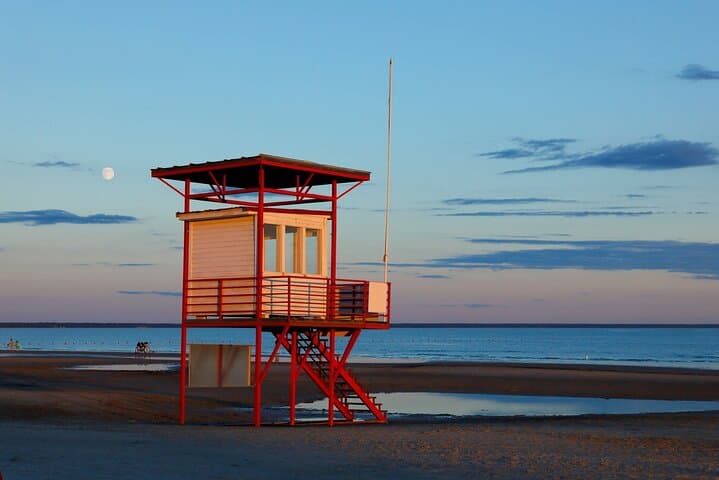

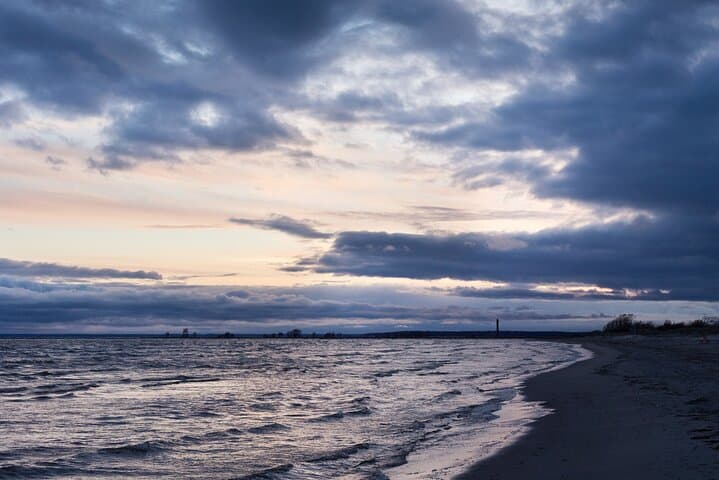

You begin at Pärnu Rand with wind on your face and the shallow sea calling you toward the horizon. The beach’s pale sand stretches like a broad welcome; low waves lap the shore and the pine-fringed promenade hums with bicycles and café chat. A guide leads you off the boardwalk and into the town’s grid of sun-bleached facades and cobbled lanes.
You begin at Pärnu Rand with wind on your face and the shallow sea calling you toward the horizon. The beach’s pale sand stretches like a broad welcome; low waves lap the shore and the pine-fringed promenade hums with bicycles and café chat. A guide leads you off the boardwalk and into the town’s grid of sun-bleached facades and cobbled lanes.
Pärnu grew from a Hanseatic trading post into Estonia’s favorite summer resort; resort architecture from the late 19th and early 20th centuries—boarded terraces, decorative gables and painted stucco—frames the streets you’ll pass. Geologically, the coastline here is a flat glacial plain shaped by post-Ice Age sea level changes, which created the shallow bay and long sandy beaches that define the city.
Culture turns up in small things: a bakery selling kama, a church bell schedule, and museums that trace fishing, trade and Soviet-era leisure. The Pärnu Museum collects local stories—outside viewing gives context before you explore inside after the walk.
Practical guidance: the route is flat and compact—expect two hours of mostly paved and sandy surfaces with short cobbles. Wear comfortable walking shoes with grip for cobbles and carry a light layer against coastal wind. Midday in summer brings heat and crowds; early morning or late afternoon offers softer light and quieter streets. Bring a small amount of cash for kiosks, a refillable water bottle, and a phone for photography and quick map checks. This tour is an efficient, on-foot primer to Pärnu’s beach life and architectural character, ideal for first-time visitors who want the essentials in a single, measured outing.