THE ADVENTURE COLLECTIVE® · Independent discovery and booking for outdoor travel

Walk Gaudí’s garden with a guide who decodes the mosaics, viaducts and terraces of Park Güell. This 90‑minute tour combines architecture, city views and practical tips for enjoying one of Barcelona’s most visited UNESCO sites.
Walk Gaudí’s garden with a guide who decodes the mosaics, viaducts and terraces of Park Güell. This 90‑minute tour combines architecture, city views and practical tips for enjoying one of Barcelona’s most visited UNESCO sites.
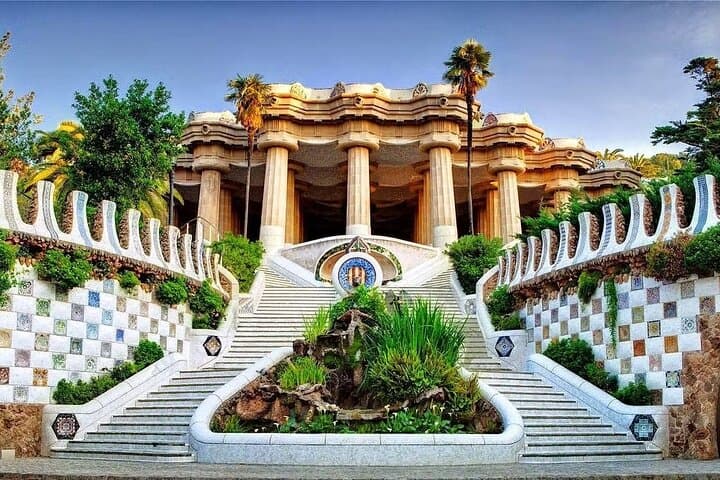
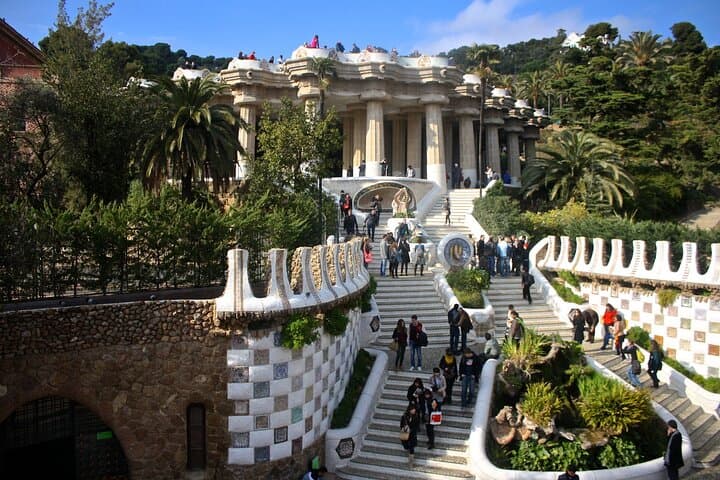
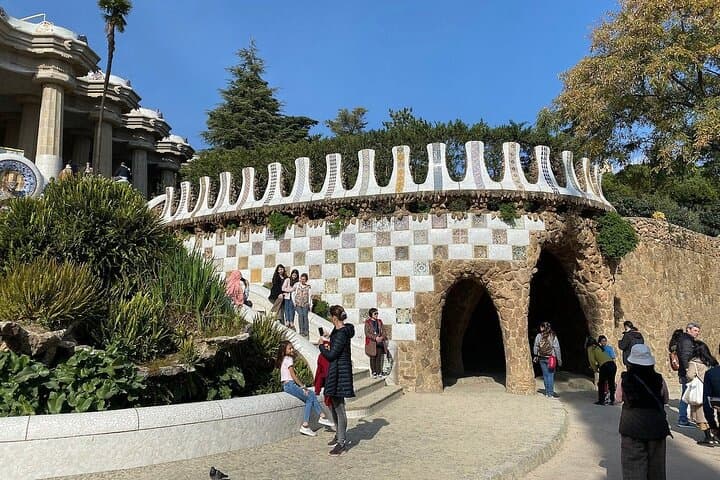
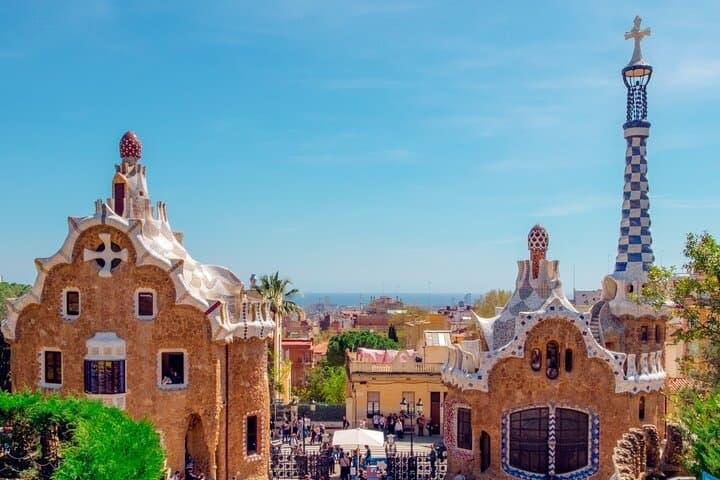
Stepping through the mosaic-lined entrance of Park Güell, the city falls away and the park’s stone viaducts seem to lean in, as if listening. The guide leads a steady pace along elevated walkways where curved benches gather the breeze and panoramic terraces open to Barcelona and the glitter of the Mediterranean.
Verified experiences and guided adventures in the surrounding area.
Operated by Eternal City Tours · Barcelona, Catalonia
Stepping through the mosaic-lined entrance of Park Güell, the city falls away and the park’s stone viaducts seem to lean in, as if listening. The guide leads a steady pace along elevated walkways where curved benches gather the breeze and panoramic terraces open to Barcelona and the glitter of the Mediterranean.
The route follows Gaudí’s logic: organic forms grown from local rock, paths that reuse an old Roman road, and built features that behave like living things — columns that breathe, tiles that catch the sun. A stop at the Casa Gaudí Museum grounds Gaudí’s private life in the same materials his imagination used; the Rosary Pathway threads between rounded bollards like beads on a string and directs walkers toward the main terrace and its famous serpentine bench.
Park Güell is layered history and geology: early 20th‑century modernisme over a sloping limestone spur above Barcelona, converted from a failed housing project into a UNESCO site. Expect uneven stone steps, short uphill stretches, and crowds near the dragon staircase at peak times. The park’s vegetation — olive and pine — responds to sea air and urban warmth, and introduced monk parakeets are a common, noisy sight.
Practical guidance: reserve timed tickets and arrive 15–20 minutes early or join a guided entry to skip lines. Wear supportive shoes for paved and rough paths, bring water and sun protection in summer, and carry a lightweight rain layer for shoulder seasons. Keep to marked paths to protect mosaic work and native plantings; photography is welcome but be mindful of other visitors during the terrace’s prime viewing windows.
easy.
1–2 hours.
Suitable for most fitness levels; participants should be able to walk up to 1–2 miles on mixed paved and uneven surfaces.
Yes — this guided experience includes Park Güell entrance; book a timed slot in advance to secure your entry.
Some areas have steep ramps and uneven stone; main terrace access may be limited — contact the operator about specific accessibility needs.
Photography for personal use is allowed; be mindful of other visitors and avoid tripods during crowded periods.
There are restrooms and a small café near the monument area, but options are limited—plan accordingly before or after your visit.
Designed by Antoni Gaudí in the early 20th century as a planned housing development that became a public park; declared a UNESCO World Heritage Site for its contribution to modernisme.
Visitor numbers are managed with timed tickets to protect mosaics and vegetation; stay on marked paths and avoid touching delicate ceramic surfaces.
Eternal City Tours operates guided outdoor trips and adventures with an emphasis on safety, stewardship, and memorable experiences.
Stepping through the mosaic-lined entrance of Park Güell, the city falls away and the park’s stone viaducts seem to lean in, as if listening. The guide leads a steady pace along elevated walkways where curved benches gather the breeze and panoramic terraces open to Barcelona and the glitter of the Mediterranean.
Stepping through the mosaic-lined entrance of Park Güell, the city falls away and the park’s stone viaducts seem to lean in, as if listening. The guide leads a steady pace along elevated walkways where curved benches gather the breeze and panoramic terraces open to Barcelona and the glitter of the Mediterranean.
The route follows Gaudí’s logic: organic forms grown from local rock, paths that reuse an old Roman road, and built features that behave like living things — columns that breathe, tiles that catch the sun. A stop at the Casa Gaudí Museum grounds Gaudí’s private life in the same materials his imagination used; the Rosary Pathway threads between rounded bollards like beads on a string and directs walkers toward the main terrace and its famous serpentine bench.
Park Güell is layered history and geology: early 20th‑century modernisme over a sloping limestone spur above Barcelona, converted from a failed housing project into a UNESCO site. Expect uneven stone steps, short uphill stretches, and crowds near the dragon staircase at peak times. The park’s vegetation — olive and pine — responds to sea air and urban warmth, and introduced monk parakeets are a common, noisy sight.
Practical guidance: reserve timed tickets and arrive 15–20 minutes early or join a guided entry to skip lines. Wear supportive shoes for paved and rough paths, bring water and sun protection in summer, and carry a lightweight rain layer for shoulder seasons. Keep to marked paths to protect mosaic work and native plantings; photography is welcome but be mindful of other visitors during the terrace’s prime viewing windows.