THE ADVENTURE COLLECTIVE® · Independent discovery and booking for outdoor travel

Follow a phone-led storyline through Paris’s occupied streets to uncover a resistance legacy. This self-guided game mixes history, puzzles, and a 45–75 minute city walk across landmarks like the Louvre and Pont des Arts.
Follow a phone-led storyline through Paris’s occupied streets to uncover a resistance legacy. This self-guided game mixes history, puzzles, and a 45–75 minute city walk across landmarks like the Louvre and Pont des Arts.
A cool morning on the Seine sets the stage: participants step off the metro and into a city that still carries the marks of 1944—bullet pocks in façades, bronze statues watching river traffic, and narrow streets that once held clandestine footsteps. The game begins at the Charles de Gaulle statue and threads through the Louvre, Pont des Arts and Pont Neuf, moving like a detective story across Paris’s stone skin.
Verified experiences and guided adventures in the surrounding area.
Operated by Questo · Paris, Île-de-France
A cool morning on the Seine sets the stage: participants step off the metro and into a city that still carries the marks of 1944—bullet pocks in façades, bronze statues watching river traffic, and narrow streets that once held clandestine footsteps. The game begins at the Charles de Gaulle statue and threads through the Louvre, Pont des Arts and Pont Neuf, moving like a detective story across Paris’s stone skin.
This route crosses Parisian history and geology: the limestone blocks quarried from the Paris Basin built the façades that the Nazis planned to protect and, paradoxically, to destroy. Cultural layers overlap here—royal processions on Rue de Rivoli, revolutionary prints and resistance graffiti—each clue ties the player to real events of occupation and liberation.
Players should expect a mix of short walking legs and plaza pauses as the phone-based app delivers narratives and navigation. The experience blends a walking tour’s context with an outdoor escape game’s puzzle solving. Local insight: mid-morning on weekdays is quieter; many monuments are best viewed from the bridges where the Seine dares you to keep moving.
Practical guidance: bring a fully charged smartphone and portable battery, wear comfortable walking shoes, and plan 45–75 minutes depending on stops. Public transit connects easily to start and finish points. Mind local etiquette—avoid reading clues in busy café terraces and respect protected façades when inspecting historical bullet marks.
This is a low-impact, historically rich urban adventure that rewards curiosity and steady feet.
easy.
45–75 minutes.
Suitable for most fitness levels; participants should be comfortable walking on city streets for up to an hour.
The experience runs about 45–75 minutes depending on how long you pause at clues and sites.
Organizers recommend one ticket per player for the best experience, though small groups can share a device.
Many streets and plazas are accessible, but some bridges and older pavements may be uneven—check specific points if accessibility is essential.
The game is provided in English; check booking details for additional language options or translations.
The sites visited trace Paris’s liberation in 1944 and reflect how urban space was central to resistance operations and symbolic contests during WWII.
This is a low-impact urban activity; participants should follow local preservation rules—avoid touching delicate stonework and dispose of waste properly to protect historic streetscapes.
Questo operates guided outdoor trips and adventures with an emphasis on safety, stewardship, and memorable experiences.
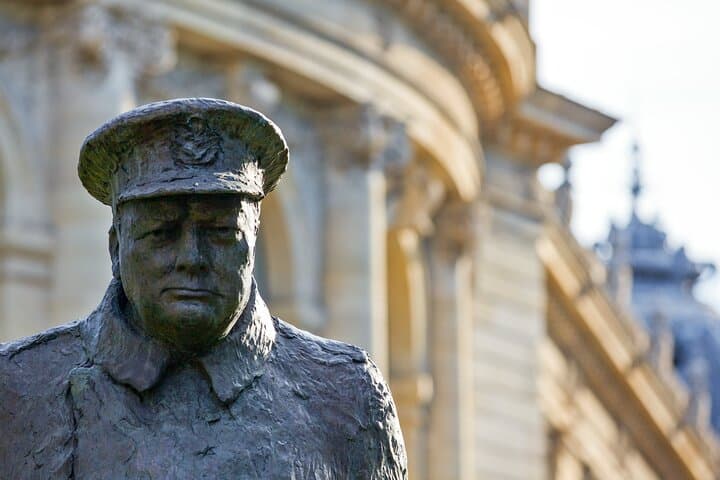
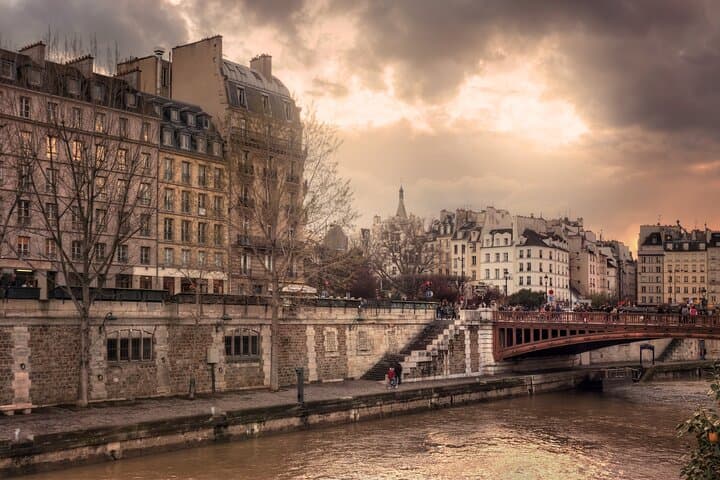
A cool morning on the Seine sets the stage: participants step off the metro and into a city that still carries the marks of 1944—bullet pocks in façades, bronze statues watching river traffic, and narrow streets that once held clandestine footsteps. The game begins at the Charles de Gaulle statue and threads through the Louvre, Pont des Arts and Pont Neuf, moving like a detective story across Paris’s stone skin.
A cool morning on the Seine sets the stage: participants step off the metro and into a city that still carries the marks of 1944—bullet pocks in façades, bronze statues watching river traffic, and narrow streets that once held clandestine footsteps. The game begins at the Charles de Gaulle statue and threads through the Louvre, Pont des Arts and Pont Neuf, moving like a detective story across Paris’s stone skin.
This route crosses Parisian history and geology: the limestone blocks quarried from the Paris Basin built the façades that the Nazis planned to protect and, paradoxically, to destroy. Cultural layers overlap here—royal processions on Rue de Rivoli, revolutionary prints and resistance graffiti—each clue ties the player to real events of occupation and liberation.
Players should expect a mix of short walking legs and plaza pauses as the phone-based app delivers narratives and navigation. The experience blends a walking tour’s context with an outdoor escape game’s puzzle solving. Local insight: mid-morning on weekdays is quieter; many monuments are best viewed from the bridges where the Seine dares you to keep moving.
Practical guidance: bring a fully charged smartphone and portable battery, wear comfortable walking shoes, and plan 45–75 minutes depending on stops. Public transit connects easily to start and finish points. Mind local etiquette—avoid reading clues in busy café terraces and respect protected façades when inspecting historical bullet marks.
This is a low-impact, historically rich urban adventure that rewards curiosity and steady feet.