THE ADVENTURE COLLECTIVE® · Independent discovery and booking for outdoor travel

Walk Paris’s political heart on a focused two-hour route from the Assemblée Nationale to the Opéra. Small groups and a local guide unpack how revolutions reshaped monuments, streets, and civic life.
Walk Paris’s political heart on a focused two-hour route from the Assemblée Nationale to the Opéra. Small groups and a local guide unpack how revolutions reshaped monuments, streets, and civic life.
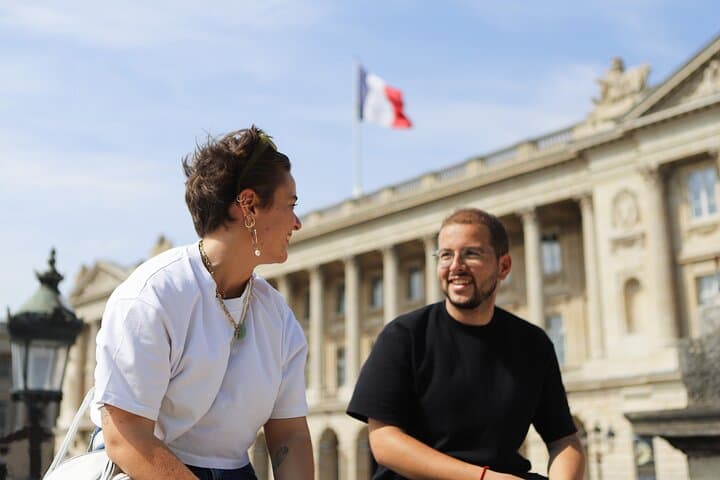
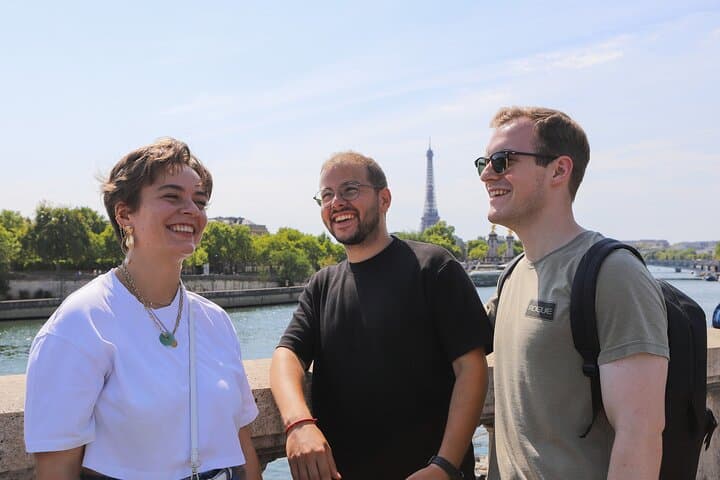
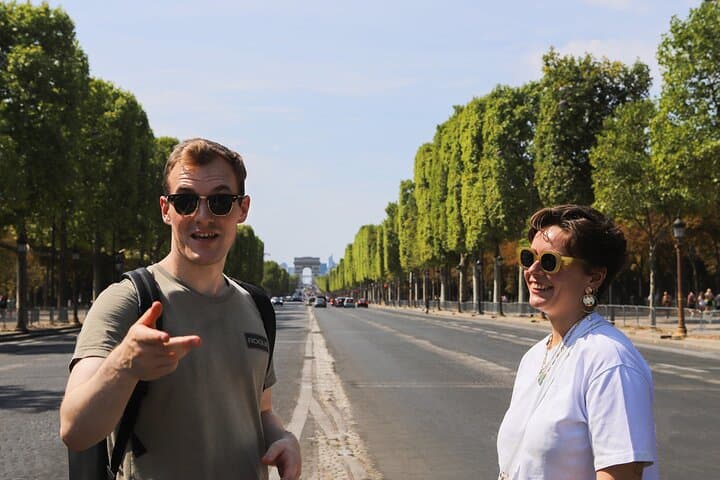
The Seine threads through central Paris like a ribbon that dares you to look closer; morning light picks out the Hôtel de la Marine and the columned façade of the Assemblée Nationale as your small group gathers outside Brasserie Le Bourbon. From there the walk moves through ordered boulevards, across ornate bridges, and into squares where history still speaks from stone.
Verified experiences and guided adventures in the surrounding area.
Operated by Dayin · Paris, Île-de-France
The Seine threads through central Paris like a ribbon that dares you to look closer; morning light picks out the Hôtel de la Marine and the columned façade of the Assemblée Nationale as your small group gathers outside Brasserie Le Bourbon. From there the walk moves through ordered boulevards, across ornate bridges, and into squares where history still speaks from stone.
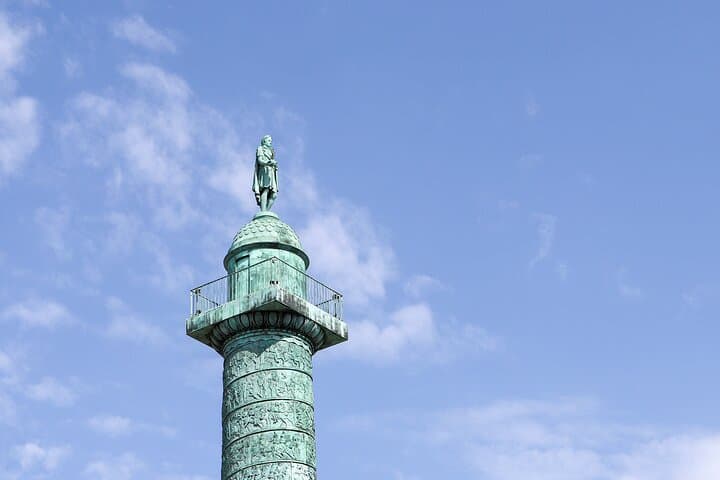
This two-hour route traces the physical aftershocks of France’s revolutions: the Place de la Concorde where kings and commoners met the guillotine, the obelisk that marks changing regimes, the Tuileries gardens once trodden by revolutionaries and royal promenaders. Geologically, you’ll notice the pale Lutetian limestone that gives Paris its warm hue and the Seine’s floodplain that shaped where bridges and boulevards were built. Culturally, the tour explains how political upheaval redirected urban planning, public monuments, and civic rituals that Parisians maintain today.
Expect about 2–3 km on mostly flat, paved streets and occasional cobbles—minimal elevation, steady walking. Guides tie architecture and public art back to specific events, and the small-group format (max 8) encourages questions and local tips: closest métro stops, café recommendations, and how memory is preserved in plaques and fountains.
Practical notes: wear comfortable shoes for cobbles, carry a light rain jacket in spring and fall, and leave cameras ready for wide views from bridges. The itinerary is compact, accessible by public transport, and adaptable—check for route changes during major city events. For history lovers with limited time, this walk delivers context alongside place.
easy.
2 hours.
Suitable for most fitness levels; requires standing and walking 2 hours with short pauses
The tour lasts about two hours and covers roughly 2–3 kilometers on mostly flat, paved surfaces.
The standard small-group tour is wheelchair accessible in many sections, but check with the operator for guaranteed accessibility or private options.
The tour operates rain or shine; guides will adapt the route and spend more time under covered arcades if needed.
Yes—routes may be adapted for public events or city security measures, especially during high-profile dates or the Olympics.
Key political acts—from the storming of palaces to public assemblies—left durable marks on Parisian urban design and monuments visible along this route.
Respect historic sites by staying on paths, avoiding climbing on monuments, and using public transport to reduce local congestion and emissions.
Dayin operates guided outdoor trips and adventures with an emphasis on safety, stewardship, and memorable experiences.
The Seine threads through central Paris like a ribbon that dares you to look closer; morning light picks out the Hôtel de la Marine and the columned façade of the Assemblée Nationale as your small group gathers outside Brasserie Le Bourbon. From there the walk moves through ordered boulevards, across ornate bridges, and into squares where history still speaks from stone.
The Seine threads through central Paris like a ribbon that dares you to look closer; morning light picks out the Hôtel de la Marine and the columned façade of the Assemblée Nationale as your small group gathers outside Brasserie Le Bourbon. From there the walk moves through ordered boulevards, across ornate bridges, and into squares where history still speaks from stone.
This two-hour route traces the physical aftershocks of France’s revolutions: the Place de la Concorde where kings and commoners met the guillotine, the obelisk that marks changing regimes, the Tuileries gardens once trodden by revolutionaries and royal promenaders. Geologically, you’ll notice the pale Lutetian limestone that gives Paris its warm hue and the Seine’s floodplain that shaped where bridges and boulevards were built. Culturally, the tour explains how political upheaval redirected urban planning, public monuments, and civic rituals that Parisians maintain today.
Expect about 2–3 km on mostly flat, paved streets and occasional cobbles—minimal elevation, steady walking. Guides tie architecture and public art back to specific events, and the small-group format (max 8) encourages questions and local tips: closest métro stops, café recommendations, and how memory is preserved in plaques and fountains.
Practical notes: wear comfortable shoes for cobbles, carry a light rain jacket in spring and fall, and leave cameras ready for wide views from bridges. The itinerary is compact, accessible by public transport, and adaptable—check for route changes during major city events. For history lovers with limited time, this walk delivers context alongside place.