THE ADVENTURE COLLECTIVE® · Independent discovery and booking for outdoor travel

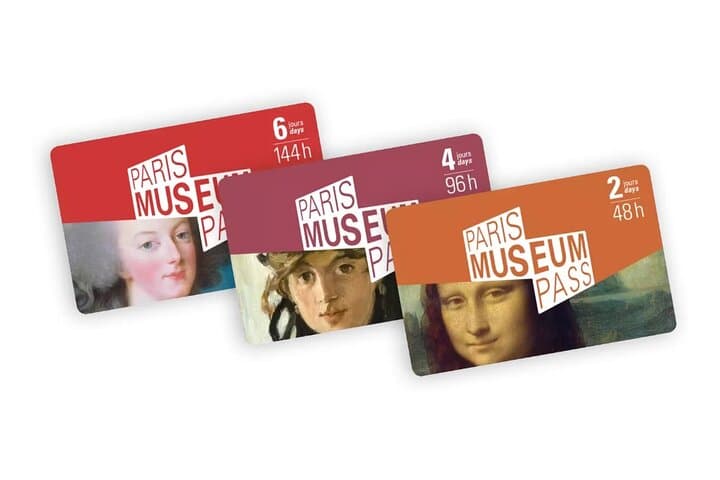
Turn two, four, or six days into an efficient culture crawl with the Paris Museum Pass. Learn where to reserve time slots, how to pace major sites like the Louvre and Versailles, and practical tips for getting the most from consecutive-day access.
Turn two, four, or six days into an efficient culture crawl with the Paris Museum Pass. Learn where to reserve time slots, how to pace major sites like the Louvre and Versailles, and practical tips for getting the most from consecutive-day access.
Morning light spills across the Seine and onto stone façades as a traveler steps from metro to museum, pass in hand. The Paris Museum Pass converts those mornings into choices: linger before a Monet, stand beneath Napoléon’s tomb, or walk Versailles’ mirrored halls without buying a ticket at every door.
Verified experiences and guided adventures in the surrounding area.
Operated by Paris Odyssey · Paris, Île-de-France
Morning light spills across the Seine and onto stone façades as a traveler steps from metro to museum, pass in hand. The Paris Museum Pass converts those mornings into choices: linger before a Monet, stand beneath Napoléon’s tomb, or walk Versailles’ mirrored halls without buying a ticket at every door.
Paris’s museums trace the city’s political and cultural history — the Louvre’s origins as a royal fortress and palace, the 19th-century surge of encyclopedic institutions, and the 20th-century conversions of industrial spaces into modern art hubs. Geology and urban fabric meet here: carved limestone, Haussmann boulevards, and riverbanks that shaped trade and collecting. The city’s museum culture prizes conservation and public access, but also limits — timed entries and security screenings keep collections safe.
Practically: the pass is valid for consecutive calendar days (2, 4, or 6) and grants admission to 50+ sites, with mandatory time-slot reservations required at the Louvre, Versailles, Sainte-Chapelle, and L'Orangerie. You’ll still queue for security, so plan early starts for popular sites and reserve those slots as soon as you receive your pass. Museums are largely walkable and linked by Metro; comfortable shoes, a lightweight rain layer, and a portable charger matter more than formal attire.
Use the pass to pace visits — combine a major museum morning with a smaller house-museum in the afternoon. Bring water, respect gallery rules, and allow time for cafés and courtyard pauses; the rhythm of Parisian museums rewards both focused viewing and slow, steady exploration.
easy.
2–6 days.
Suitable for all fitness levels; expect several miles of walking each day and some standing in galleries
The pass is valid for consecutive calendar days starting from the first day you use it (choose 2, 4 or 6 days when booking).
Yes — time-slot reservations are required (free) for the Louvre, Versailles, Sainte-Chapelle and L'Orangerie; book them as soon as you receive your pass email.
The pass provides skip-the-ticket-office access at many sites, but security and bag checks remain and can create lines, especially in high season.
Many museums on the pass offer wheelchair access and services, but accessibility can vary by site—check individual museum pages for details before visiting.
Many Paris museums grew from royal and state collections; the Louvre opened as a public museum in 1793 after the French Revolution.
Museums balance access with preservation through timed entries, climate-controlled galleries, and restrictions on flash photography; visitors should follow rules to protect fragile works.
Paris Odyssey operates guided outdoor trips and adventures with an emphasis on safety, stewardship, and memorable experiences.


Morning light spills across the Seine and onto stone façades as a traveler steps from metro to museum, pass in hand. The Paris Museum Pass converts those mornings into choices: linger before a Monet, stand beneath Napoléon’s tomb, or walk Versailles’ mirrored halls without buying a ticket at every door.
Morning light spills across the Seine and onto stone façades as a traveler steps from metro to museum, pass in hand. The Paris Museum Pass converts those mornings into choices: linger before a Monet, stand beneath Napoléon’s tomb, or walk Versailles’ mirrored halls without buying a ticket at every door.
Paris’s museums trace the city’s political and cultural history — the Louvre’s origins as a royal fortress and palace, the 19th-century surge of encyclopedic institutions, and the 20th-century conversions of industrial spaces into modern art hubs. Geology and urban fabric meet here: carved limestone, Haussmann boulevards, and riverbanks that shaped trade and collecting. The city’s museum culture prizes conservation and public access, but also limits — timed entries and security screenings keep collections safe.
Practically: the pass is valid for consecutive calendar days (2, 4, or 6) and grants admission to 50+ sites, with mandatory time-slot reservations required at the Louvre, Versailles, Sainte-Chapelle, and L'Orangerie. You’ll still queue for security, so plan early starts for popular sites and reserve those slots as soon as you receive your pass. Museums are largely walkable and linked by Metro; comfortable shoes, a lightweight rain layer, and a portable charger matter more than formal attire.
Use the pass to pace visits — combine a major museum morning with a smaller house-museum in the afternoon. Bring water, respect gallery rules, and allow time for cafés and courtyard pauses; the rhythm of Parisian museums rewards both focused viewing and slow, steady exploration.