THE ADVENTURE COLLECTIVE® · Independent discovery and booking for outdoor travel

Buy time instead of tickets: the Paris Museum Pass gives unhindered entry to 60+ museums and monuments for 2, 4 or 6 consecutive days. Learn when to reserve slots, where to pick up your pass, and how to plan walking‑heavy museum days across the capital.
Buy time instead of tickets: the Paris Museum Pass gives unhindered entry to 60+ museums and monuments for 2, 4 or 6 consecutive days. Learn when to reserve slots, where to pick up your pass, and how to plan walking‑heavy museum days across the capital.
Step off a narrow Parisian street and into the hush of gallery light — the city folds around you: the Seine pushing bright reflections onto stone, a choir of footsteps and hushed voices guiding you toward masterpieces.
Verified experiences and guided adventures in the surrounding area.
Operated by Paris CityVision · Paris, Ile-de-France
Step off a narrow Parisian street and into the hush of gallery light — the city folds around you: the Seine pushing bright reflections onto stone, a choir of footsteps and hushed voices guiding you toward masterpieces.
The Paris Museum Pass opens access to more than 60 sites across the city and nearby châteaux. Its scope traces Parisian history from Roman Lutetia buried beneath the Île de la Cité to Renaissance halls and 19th‑century salons. Geologically, Paris sits on soft Lutetian limestone that shaped its quarries, cellars and the very foundations of the Louvre and Notre‑Dame; the urban fabric is a palimpsest of stone and river. Culturally, the pass threads through eras — Gothic stained glass at Sainte‑Chapelle, Impressionists at Orsay, royal pageantry at Versailles — offering a cross‑section of French art, politics and science.
Practical guidance: collect your physical pass at 3 Place des Pyramides and remember many major sites require free prebooked time slots even with the pass (Louvre, Orangerie, Sainte‑Chapelle, Versailles). Use the pass to prioritize long lines‑prone attractions early in the day, then slip into smaller museums in the afternoon. Expect a lot of walking on cobblestones and through large galleries: comfortable shoes and a clear itinerary make the difference between a rushed checklist and a satisfying cultural day.
Whether you have two days or six, the pass is less about rushing every landmark and more about tailoring a rhythm—slow mornings in a museum, espresso breaks along the Seine, and late‑afternoon discoveries in quieter collections.
easy.
2–6 days.
Suitable for all fitness levels but expect long periods of standing and walking across uneven pavements; moderate stamina helpful for full days.
The pass is valid for consecutive days starting from the first site visit (two, four or six consecutive days depending on the option purchased).
No — only some major sites require free prebooking of a time slot (Louvre, Sainte‑Chapelle, Orangerie, Versailles and several others); check each museum’s instructions before you go.
Collect your physical Paris Museum Pass at the Paris City Vision agency, 3 Place des Pyramides, 75001 Paris, as noted in the redemption instructions.
Children under 18 and EU citizens under 26 typically have free access to most included museums; verify site rules and bring ID for age verification.
Many museums on the pass occupy historic buildings — the Louvre was a royal palace, Orsay a Beaux‑Arts train station — reflecting Paris’s evolution from medieval capital to modern metropolis.
Timed entries and ticketed access help limit overcrowding and protect fragile collections; visitors are encouraged to avoid flash photography and follow site preservation rules.
Paris CityVision operates guided outdoor trips and adventures with an emphasis on safety, stewardship, and memorable experiences.
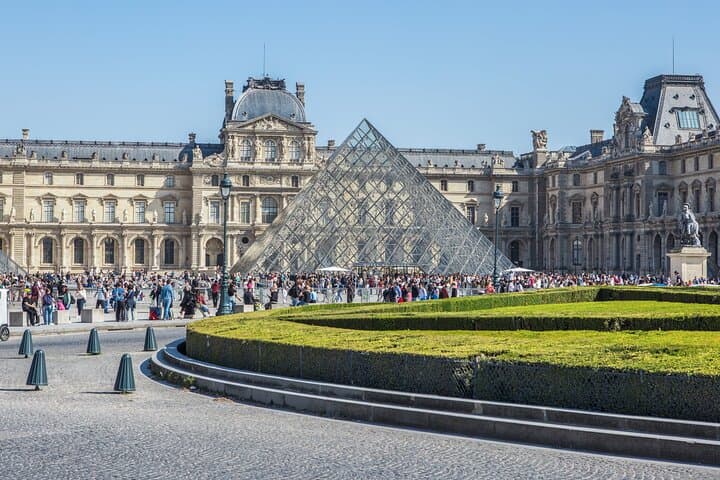
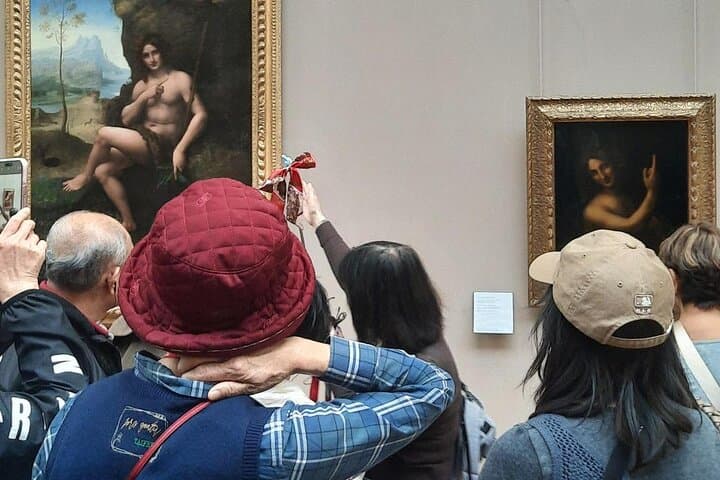
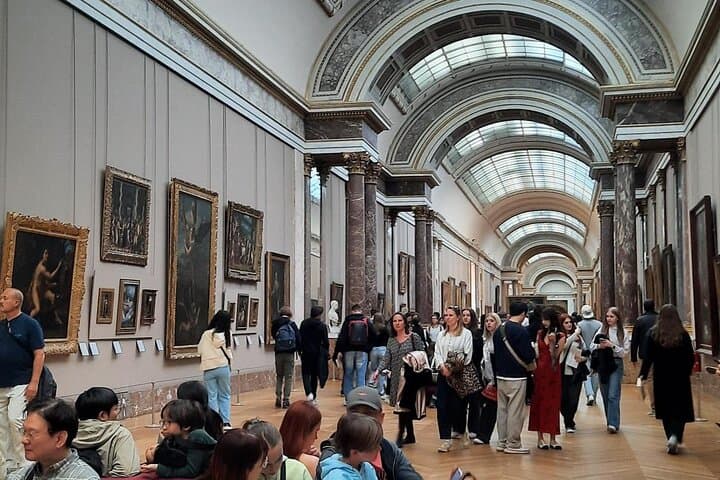
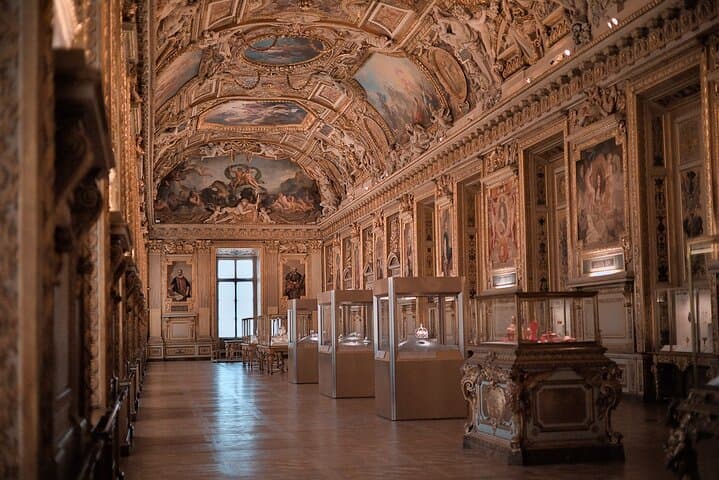
Step off a narrow Parisian street and into the hush of gallery light — the city folds around you: the Seine pushing bright reflections onto stone, a choir of footsteps and hushed voices guiding you toward masterpieces.
Step off a narrow Parisian street and into the hush of gallery light — the city folds around you: the Seine pushing bright reflections onto stone, a choir of footsteps and hushed voices guiding you toward masterpieces.
The Paris Museum Pass opens access to more than 60 sites across the city and nearby châteaux. Its scope traces Parisian history from Roman Lutetia buried beneath the Île de la Cité to Renaissance halls and 19th‑century salons. Geologically, Paris sits on soft Lutetian limestone that shaped its quarries, cellars and the very foundations of the Louvre and Notre‑Dame; the urban fabric is a palimpsest of stone and river. Culturally, the pass threads through eras — Gothic stained glass at Sainte‑Chapelle, Impressionists at Orsay, royal pageantry at Versailles — offering a cross‑section of French art, politics and science.
Practical guidance: collect your physical pass at 3 Place des Pyramides and remember many major sites require free prebooked time slots even with the pass (Louvre, Orangerie, Sainte‑Chapelle, Versailles). Use the pass to prioritize long lines‑prone attractions early in the day, then slip into smaller museums in the afternoon. Expect a lot of walking on cobblestones and through large galleries: comfortable shoes and a clear itinerary make the difference between a rushed checklist and a satisfying cultural day.
Whether you have two days or six, the pass is less about rushing every landmark and more about tailoring a rhythm—slow mornings in a museum, espresso breaks along the Seine, and late‑afternoon discoveries in quieter collections.