THE ADVENTURE COLLECTIVE® · Independent discovery and booking for outdoor travel

Play detective in Paris: a private, two-hour outdoor escape game through the Marais and Bastille led by a game master. Use maps, locks and observation to solve a Prohibition-era mystery without relying on smartphones.
Play detective in Paris: a private, two-hour outdoor escape game through the Marais and Bastille led by a game master. Use maps, locks and observation to solve a Prohibition-era mystery without relying on smartphones.
You step out into the narrow lanes of the Marais and the city pulls a clue from its pockets—ink-faded posters, a carved lintel, the hush of an alley that remembers a different century. Your game master hands you a map and a satchel of puzzles; today Paris is less a postcard than an active crime scene from the 1920s, and the streets dare you to read them.
Verified experiences and guided adventures in the surrounding area.
Operated by Hugo de Mysterioz · Paris, Île-de-France
You step out into the narrow lanes of the Marais and the city pulls a clue from its pockets—ink-faded posters, a carved lintel, the hush of an alley that remembers a different century. Your game master hands you a map and a satchel of puzzles; today Paris is less a postcard than an active crime scene from the 1920s, and the streets dare you to read them.
The route threads through the Marais and toward the Bastille, districts layered with medieval architecture, 19th- and 20th-century rebuilding, and the cultural aftershocks of revolution. Geology here is quiet—flat Parisian plains reclaimed from marsh and river—but the built environment carries more story: hôtels particuliers, former marketplaces, and façades that witnessed the industrial century and the era of Prohibition that linked American gangsters to European ports.
Culturally, the game plays on Paris’s café life, immigrant histories, and the archival traces of commerce and contraband. Expect to use observation, deduction and conversation rather than apps; the experience emphasizes human interaction and tangible puzzles—locks, chests and found objects—set against real heritage buildings.
Practical guidance: the walk covers roughly 2–3 km on flat, paved streets and takes about two hours. Wear comfortable walking shoes, bring a small water bottle, and plan for variable spring or autumn weather with a light layer. Tours are private and accessible; notify organizers of mobility needs. Aim for a morning or late-afternoon slot to avoid peak pedestrian crowds and to keep the clues audible and the atmosphere sharp.
easy.
2 hours.
Suitable for casual walkers and families; minimal stamina required
Yes—activity notes indicate wheelchair accessible routes and transportation; contact the operator in advance to confirm meeting point accessibility.
No—the game emphasizes physical clues and the game master’s guidance; you won’t need a smartphone to complete the puzzles.
Yes—this is offered as a private tour; bookings are per group and the activity is hosted by a single game master for your party.
Full refund if you cancel at least 24 hours before the scheduled start; last-minute cancellations may not be refundable.
The Marais and Bastille areas bear marks of medieval Paris and later revolutionary events; the game leans into 1920s Prohibition-era links between European ports and organized crime lore.
Keep puzzles and props on public fixtures only, avoid touching delicate stonework, and pack out any litter—small groups help minimize wear on historic streets.
Hugo de Mysterioz operates guided outdoor trips and adventures with an emphasis on safety, stewardship, and memorable experiences.
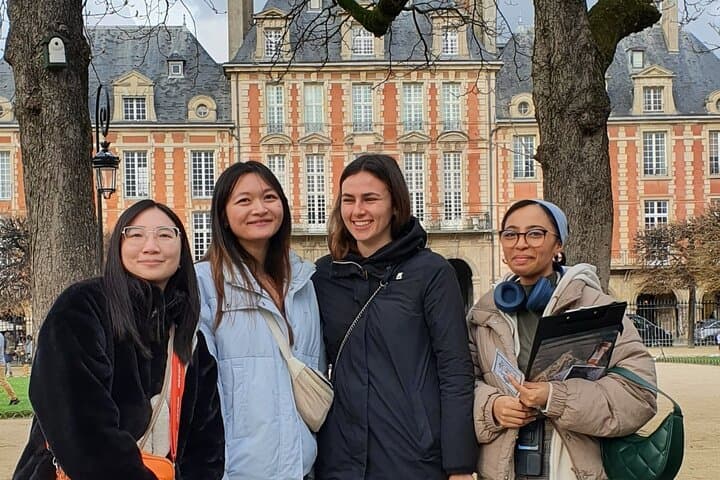
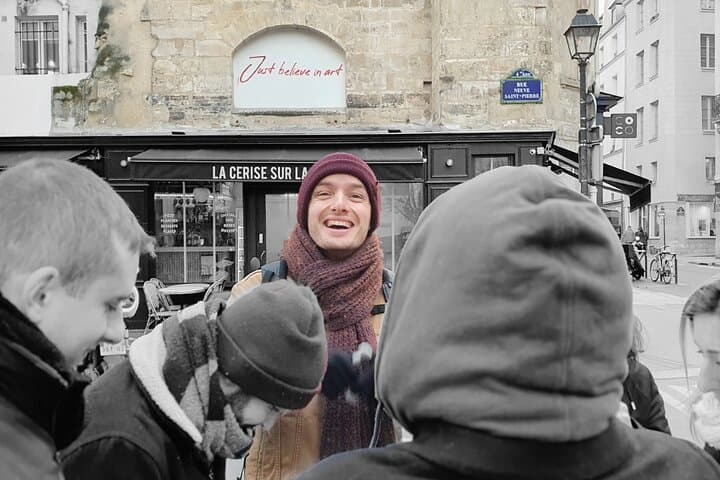
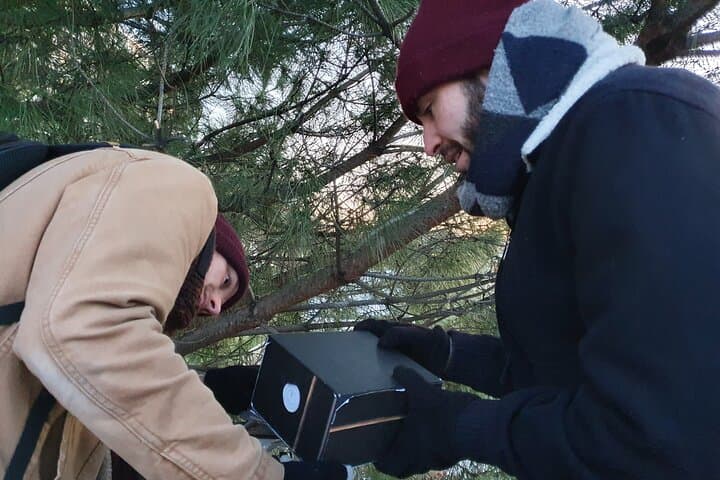
You step out into the narrow lanes of the Marais and the city pulls a clue from its pockets—ink-faded posters, a carved lintel, the hush of an alley that remembers a different century. Your game master hands you a map and a satchel of puzzles; today Paris is less a postcard than an active crime scene from the 1920s, and the streets dare you to read them.
You step out into the narrow lanes of the Marais and the city pulls a clue from its pockets—ink-faded posters, a carved lintel, the hush of an alley that remembers a different century. Your game master hands you a map and a satchel of puzzles; today Paris is less a postcard than an active crime scene from the 1920s, and the streets dare you to read them.
The route threads through the Marais and toward the Bastille, districts layered with medieval architecture, 19th- and 20th-century rebuilding, and the cultural aftershocks of revolution. Geology here is quiet—flat Parisian plains reclaimed from marsh and river—but the built environment carries more story: hôtels particuliers, former marketplaces, and façades that witnessed the industrial century and the era of Prohibition that linked American gangsters to European ports.
Culturally, the game plays on Paris’s café life, immigrant histories, and the archival traces of commerce and contraband. Expect to use observation, deduction and conversation rather than apps; the experience emphasizes human interaction and tangible puzzles—locks, chests and found objects—set against real heritage buildings.
Practical guidance: the walk covers roughly 2–3 km on flat, paved streets and takes about two hours. Wear comfortable walking shoes, bring a small water bottle, and plan for variable spring or autumn weather with a light layer. Tours are private and accessible; notify organizers of mobility needs. Aim for a morning or late-afternoon slot to avoid peak pedestrian crowds and to keep the clues audible and the atmosphere sharp.