THE ADVENTURE COLLECTIVE® · Independent discovery and booking for outdoor travel

Wander cobbled streets from the North Marais to Canal Saint‑Martin on a three‑hour tasting walk that highlights pâtisseries, fromageries, chocolatiers and natural wine. Expect short walks, frequent tastings, and insider context from local guides.
Wander cobbled streets from the North Marais to Canal Saint‑Martin on a three‑hour tasting walk that highlights pâtisseries, fromageries, chocolatiers and natural wine. Expect short walks, frequent tastings, and insider context from local guides.
You step off the metro into narrow streets where the city smells of butter and yeast — warm baguettes cooling on window sills, chocolate melting under display lights, and the canal’s slow current daring you to slow down.
Verified experiences and guided adventures in the surrounding area.
Operated by Toorers · Paris, Île-de-France
You step off the metro into narrow streets where the city smells of butter and yeast — warm baguettes cooling on window sills, chocolate melting under display lights, and the canal’s slow current daring you to slow down.
This three‑hour stroll threads the North Marais and the bohemian banks of Canal Saint‑Martin, neighborhoods that grew from drained marshland into one of Paris’s liveliest quarters. The Marais bears 17th‑century hôtels particuliers and a strong Jewish cultural presence along Rue des Rosiers, while the canal, completed in the early 19th century, was engineered to carry fresh water into the city and now frames iron locks and tree‑lined quays.
Expect a sequence of artisanal stops: a famed pâtisserie for a flaky kouign‑amann, a chocolatier with hand‑piped ganache, a fromager offering runny goat chèvre and aged comté, and a small wine bar pouring biodynamic bottles. You’ll move on foot at an easy pace, with short talks about producers’ methods, traditional recipes, and how Paris’s food economy fits into its urban fabric.
Practical guidance: wear comfortable walking shoes for uneven cobbles, bring a light jacket for canal breezes, and carry a small daypack for purchases. The tour is roughly 3 hours and covers about 2–3 miles of walking with frequent stops to taste and sit. Public transit links are strong; book in advance to secure one of eight spots. Respect portion sizes if you plan to sample everything, and let the guide know dietary restrictions beforehand to adapt stops. This is a food‑forward way to read local life through flavor — pragmatic, delicious, and entirely walkable.
easy.
3 hours.
Light walking ability; fine for most fitness levels but expect 2–3 miles on cobbles and standing at tastings.
Yes—small tasting portions at multiple stops and some alcoholic samples are included as described; full meals or extra glasses may be pay‑as‑you‑go.
The route uses city streets and some cobbles; most of it is stroller‑friendly but full wheelchair access may be limited—contact the operator if mobility assistance is required.
Inform the supplier at booking; guides can often swap stops or arrange alternative tastings for vegetarians or common allergies.
Expect about 2–3 miles of walking at an easy pace with frequent seated or standing stops for sampling and explanations.
The Marais evolved from drained marshland into an aristocratic quarter in the 1600s; Canal Saint‑Martin was built in the early 19th century to bring fresh water into Paris.
Support small producers and avoid single‑use containers; many vendors emphasize responsible sourcing and seasonal produce.
Toorers operates guided outdoor trips and adventures with an emphasis on safety, stewardship, and memorable experiences.

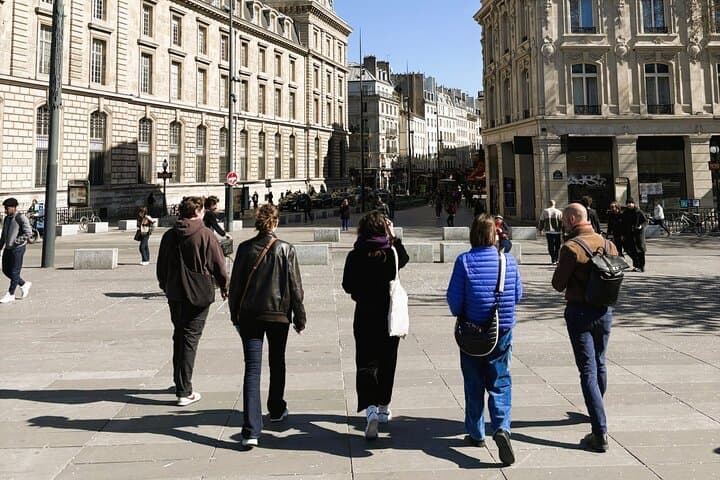


You step off the metro into narrow streets where the city smells of butter and yeast — warm baguettes cooling on window sills, chocolate melting under display lights, and the canal’s slow current daring you to slow down.
You step off the metro into narrow streets where the city smells of butter and yeast — warm baguettes cooling on window sills, chocolate melting under display lights, and the canal’s slow current daring you to slow down.
This three‑hour stroll threads the North Marais and the bohemian banks of Canal Saint‑Martin, neighborhoods that grew from drained marshland into one of Paris’s liveliest quarters. The Marais bears 17th‑century hôtels particuliers and a strong Jewish cultural presence along Rue des Rosiers, while the canal, completed in the early 19th century, was engineered to carry fresh water into the city and now frames iron locks and tree‑lined quays.
Expect a sequence of artisanal stops: a famed pâtisserie for a flaky kouign‑amann, a chocolatier with hand‑piped ganache, a fromager offering runny goat chèvre and aged comté, and a small wine bar pouring biodynamic bottles. You’ll move on foot at an easy pace, with short talks about producers’ methods, traditional recipes, and how Paris’s food economy fits into its urban fabric.
Practical guidance: wear comfortable walking shoes for uneven cobbles, bring a light jacket for canal breezes, and carry a small daypack for purchases. The tour is roughly 3 hours and covers about 2–3 miles of walking with frequent stops to taste and sit. Public transit links are strong; book in advance to secure one of eight spots. Respect portion sizes if you plan to sample everything, and let the guide know dietary restrictions beforehand to adapt stops. This is a food‑forward way to read local life through flavor — pragmatic, delicious, and entirely walkable.