THE ADVENTURE COLLECTIVE® · Independent discovery and booking for outdoor travel

Cover Paris’s core at your own pace with a 12 km, 2–3 hour self-guided booklet that links Bastille to the Eiffel Tower. Expect flat streets, cobbled historic quarters, practical route notes and local recommendations to shape your day.
Cover Paris’s core at your own pace with a 12 km, 2–3 hour self-guided booklet that links Bastille to the Eiffel Tower. Expect flat streets, cobbled historic quarters, practical route notes and local recommendations to shape your day.
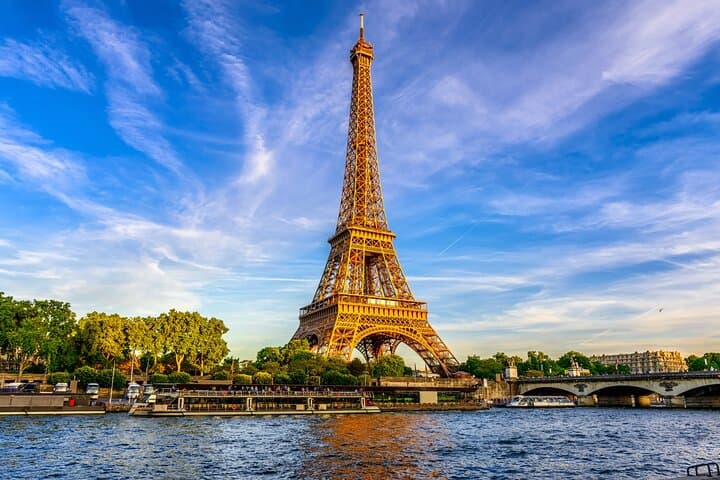
A slow morning on Place de la Bastille sets the tone: tram rails hum, cafés unwrap, and the long line of landmarks stretches west toward the iron silhouette of the Eiffel Tower. This self-guided booklet routes you through 12 emblematic stops — from the narrow lanes of Le Marais and the stone heart of Île de la Cité to the Louvre gardens, Place de la Concorde and the Champs-Élysées — letting the city pace determine the day.
Verified experiences and guided adventures in the surrounding area.
Operated by Rosotravel - France Tours & Activities · Paris, Île-de-France
A slow morning on Place de la Bastille sets the tone: tram rails hum, cafés unwrap, and the long line of landmarks stretches west toward the iron silhouette of the Eiffel Tower. This self-guided booklet routes you through 12 emblematic stops — from the narrow lanes of Le Marais and the stone heart of Île de la Cité to the Louvre gardens, Place de la Concorde and the Champs-Élysées — letting the city pace determine the day.
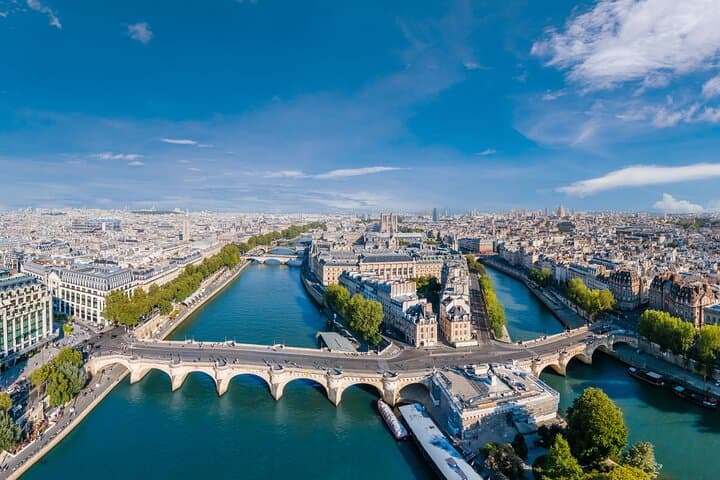
Paris is a living archive. Bastille’s revolutionary scars give way to medieval Notre‑Dame on an island shaped by the Seine; the river itself has carved a shallow basin through limestone (Lutetian strata) that defines the city’s low, walkable profile. Culture is tactile here: café terraces trade gossip with boutique shopfronts, while the Marais preserves an urban mosaic of Jewish history, artisanal ateliers and 17th‑century hôtels particuliers.
Practical guidance is simple. The full route is about 12 km and typically completed in 2–3 hours if you move steadily; expect mostly flat pavement and sections of cobblestone near older quarters. Mobility-accessible options exist at major sites and metro stops sit close to the start and finish if you shorten the route. Wear supportive shoes, carry a light daypack with water and a map (digital or printed), and aim for early morning or late afternoon to avoid crowds and midday heat.
This format gives independence without the research overhead: clear directions, site notes, opening hours and a 10% discount code for guided tours if you want a deeper follow-up. Walk with curiosity—and let the Seine dare you to slow down between monuments.
easy.
2–3 hours.
Suitable for anyone comfortable walking up to 12 km on flat urban terrain with short stops; basic stamina required.
The full route covers about 12 km and is designed for a 2–3 hour walk without extended stops; add time for museum visits or long meals.
Major sites and many streets are accessible and the booklet notes access options, though some historic streets have cobbles—plan an alternate path or use nearby metro stations.
The booklet is available in 15 languages, including English, French, Spanish, German, Chinese and Japanese; you receive a PDF link after purchase.
Yes—the tour is flexible and metro connections let you join or exit the route at several points to shorten or extend the day.
The route ties revolutionary Bastille and medieval Île de la Cité to imperial boulevards: Paris’s urban form evolved from a Roman river crossing into an 18th–19th century ceremonial axis culminating at the Trocadéro and Eiffel Tower.
Walking minimizes your footprint in a densely visited city; follow local rules, avoid littering and stick to marked paths to protect historic stonework and riverside habitats.
Rosotravel - France Tours & Activities operates guided outdoor trips and adventures with an emphasis on safety, stewardship, and memorable experiences.

A slow morning on Place de la Bastille sets the tone: tram rails hum, cafés unwrap, and the long line of landmarks stretches west toward the iron silhouette of the Eiffel Tower. This self-guided booklet routes you through 12 emblematic stops — from the narrow lanes of Le Marais and the stone heart of Île de la Cité to the Louvre gardens, Place de la Concorde and the Champs-Élysées — letting the city pace determine the day.
A slow morning on Place de la Bastille sets the tone: tram rails hum, cafés unwrap, and the long line of landmarks stretches west toward the iron silhouette of the Eiffel Tower. This self-guided booklet routes you through 12 emblematic stops — from the narrow lanes of Le Marais and the stone heart of Île de la Cité to the Louvre gardens, Place de la Concorde and the Champs-Élysées — letting the city pace determine the day.
Paris is a living archive. Bastille’s revolutionary scars give way to medieval Notre‑Dame on an island shaped by the Seine; the river itself has carved a shallow basin through limestone (Lutetian strata) that defines the city’s low, walkable profile. Culture is tactile here: café terraces trade gossip with boutique shopfronts, while the Marais preserves an urban mosaic of Jewish history, artisanal ateliers and 17th‑century hôtels particuliers.
Practical guidance is simple. The full route is about 12 km and typically completed in 2–3 hours if you move steadily; expect mostly flat pavement and sections of cobblestone near older quarters. Mobility-accessible options exist at major sites and metro stops sit close to the start and finish if you shorten the route. Wear supportive shoes, carry a light daypack with water and a map (digital or printed), and aim for early morning or late afternoon to avoid crowds and midday heat.
This format gives independence without the research overhead: clear directions, site notes, opening hours and a 10% discount code for guided tours if you want a deeper follow-up. Walk with curiosity—and let the Seine dare you to slow down between monuments.